
The chipped Formica of the Side Bar’s bar top felt cool under my hand as I watched the soundcheck bleed out onto East State Street Tuesday evening. Play The Spaces were prepping for a 6 p.m. set, an unusually early start for a venue usually buzzing with late-night energy. But that’s the thing about Athens right now: the cultural calendar isn’t just full, it’s deliberately fractured, offering something for every hour, every mood, and every budget. It’s a deliberate push against the predictable, a symptom of a town grappling with its identity as both a college haven and a burgeoning arts destination. And this week, that tension is playing out in a fascinating collision of high-brow spectacle, indie grit, and mainstream releases.
From Pub Gigs to Prestige Cinema: A Week of Contrasts
The sheer breadth of offerings this week—from the Oliver Award-nominated “The Choir of Man” at the Templeton-Blackburn Alumni Memorial Auditorium ($35 admission) to a free show at the Side Bar—speaks to a deliberate effort to cater to diverse tastes. But it’s not just about quantity. The programming choices themselves are revealing. The Athena Cinema’s screening of John Carpenter’s “Christine” ($8 admission) as part of its “Enter the Kingdom” series isn’t simply a nostalgic nod to horror fans. It’s a strategic move to position the cinema as a curator of cult classics, a space for cinephiles seeking something beyond the blockbuster experience. This is crucial for independent cinemas like the Athena, which saw attendance dip 12% nationally in 2023 according to the National Association of Theatre Owners, as streaming services continue to dominate. They need to offer experiences, not just movies.
Drawn from thepostathens.com.
The arrival of “Being Gordon Ramsay” on Netflix Wednesday is a different beast altogether. The streaming giant’s relentless content push is reshaping how we consume entertainment, and the fascination with celebrity chefs—particularly those with Ramsay’s volcanic personality—is a reliable draw. But even here, there’s a cultural undercurrent. Reality TV, once dismissed as low-brow, is now a dominant force, reflecting our collective obsession with authenticity (or the illusion of it) and the behind-the-scenes drama of success. The series’ premiere comes at a time when the food industry is facing unprecedented scrutiny, from labor practices to sustainability concerns, and Ramsay’s notoriously demanding standards will inevitably spark conversation about the cost of culinary excellence.
A24’s Gamble and the Humane Society’s Benefit
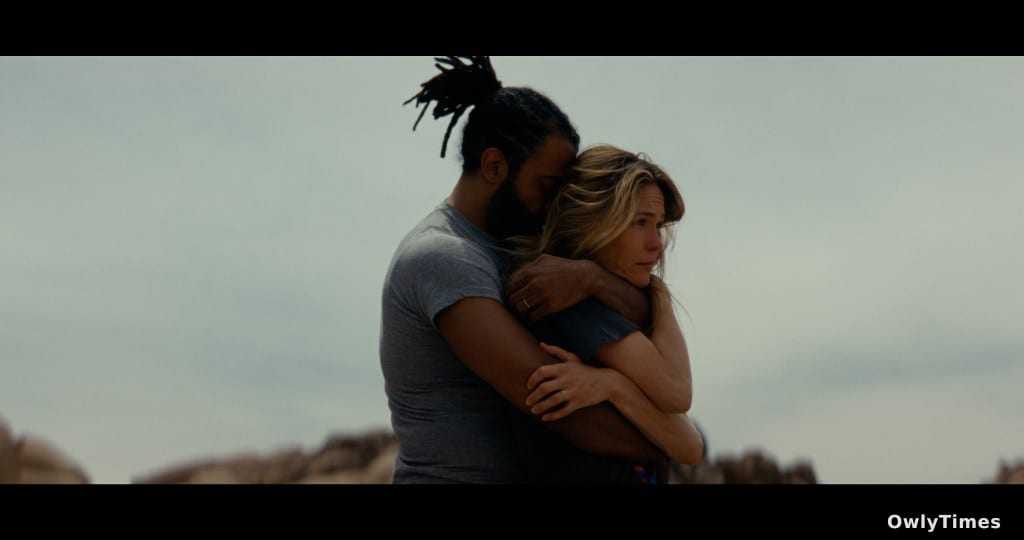
Friday’s release of “How to Make a Killing,” starring Glen Powell, Margaret Qualley, and Topher Grace, via A24, is perhaps the most telling sign of the current cinematic landscape. A24 has become synonymous with smart, edgy filmmaking, consistently delivering critically acclaimed films that resonate with a younger, more discerning audience. Their success—a 300% revenue increase between 2019 and 2023—lies in their ability to identify and nurture unique voices, and “How to Make a Killing” is a clear attempt to capitalize on the momentum of its stars and director John Patton Ford. But the simultaneous launch of “The Biggest Cover-Up 2026” at The Union—a two-night fundraiser for the Athens County Humane Society ($12.51 advance tickets)—highlights a different kind of cultural currency: community engagement.
These aren’t competing events; they’re complementary. The cover band nights tap into a desire for shared experiences, for a night of unpretentious fun that directly benefits a local cause. It’s a reminder that entertainment can be a force for good, and that audiences are increasingly drawn to events that align with their values. The fact that both nights are sold out (or nearly so) demonstrates a willingness to spend money on experiences that feel meaningful. Even Mumford & Sons’ new album, “Prizefighter,” releasing globally Friday, feels part of this trend. The staggered release of tracks builds anticipation and encourages a deeper engagement with the music, a strategy increasingly common in an era of instant gratification.
Beyond the Stage: What This Week Reveals
The week’s events aren’t just a random assortment of entertainment options. They’re a microcosm of the broader cultural shifts happening right now. We’re seeing a fragmentation of audiences, a blurring of lines between high and low culture, and a growing demand for authenticity and community. The success of venues like Stuart’s Opera House, hosting Jake Xerxes Fussell and Dougie Poole on Thursday (admission starting at $25), proves that there’s still a strong appetite for intimate, thoughtfully curated performances. And the free events—the CMDI Ensembles concert at Ohio University’s Glidden Hall on Sunday, the Caitlin Kraus Trio at West End Ciderhouse on Saturday—underscore the importance of accessibility and inclusivity.
But the question remains: can Athens sustain this level of cultural activity? The town’s reliance on the university creates a cyclical pattern of boom and bust, and the rising cost of living is threatening to displace artists and musicians. Will the momentum of this week translate into long-term growth, or will it be a fleeting moment of vibrancy? The answer likely lies in the ability of the community to continue supporting local venues, embracing diverse programming, and recognizing the vital role that the arts play in shaping the town’s identity. We’ll be watching closely to see if Athens can continue to strike this delicate balance, proving that a small town can be a big cultural player.