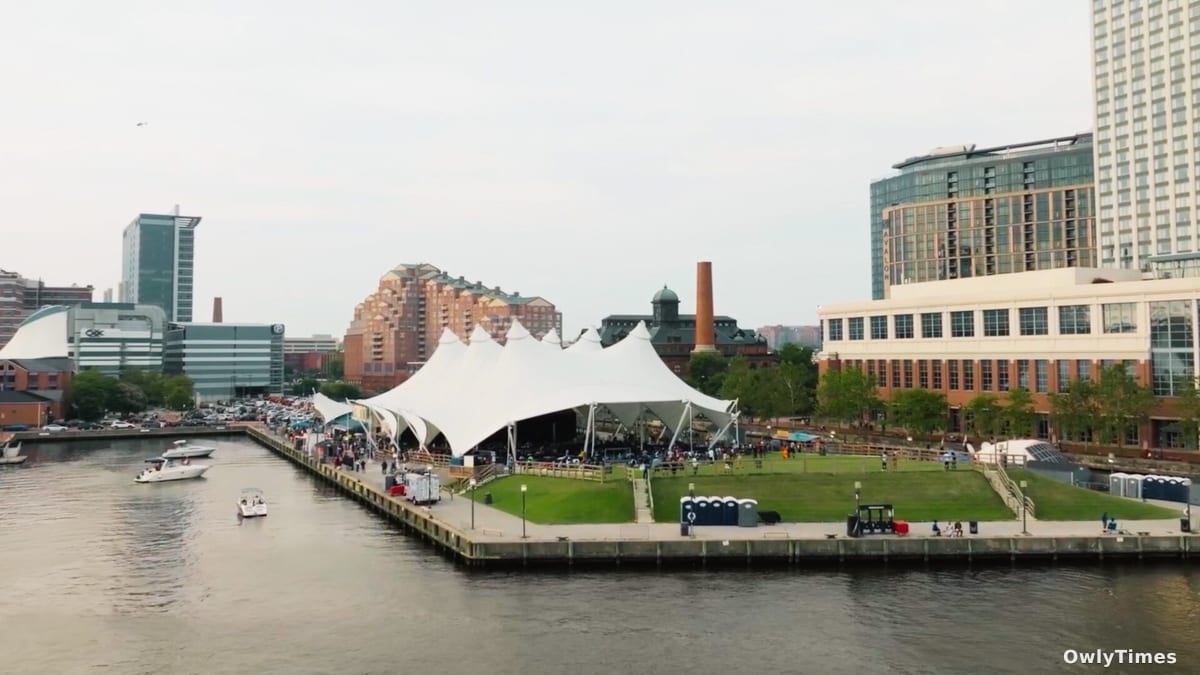

The salt spray stung my face as I walked the perimeter of Pier Six Pavilion last week, the skeletal steel of the stage a stark contrast against the glittering Inner Harbor. It wasn’t the promise of summer concerts that hung in the air, but a palpable sense of transition. For decades, this 4,600-seat amphitheater has been Baltimore’s sonic postcard, a place where national acts meet the city’s vibrant pulse. Now, with Knitting Factory Entertainment (KFE) and local powerhouse The Finn Group taking the helm, the question isn’t just who will play Pier Six, but what this partnership says about the evolving landscape of live music and the delicate balance between commercial viability and cultural authenticity.
A Homecoming and a New Vision for the Waterfront
The announcement of the KFE/Finn Group partnership wasn’t just a change in management; it felt like a deliberate attempt to rewrite the narrative around Pier Six. Built in 1981, the venue has seen its share of headliners, but also periods of stagnation and questions about its relevance in a rapidly changing entertainment market. KFE, known for operating venues across the country, brings national booking power and operational expertise. But it’s the addition of Peter J. Manning, a Loyola College of Maryland alumnus returning to his hometown as Talent Buyer & Event Producer, that injects a crucial element: local understanding. Manning’s stated desire to “elevate that legacy” isn’t just PR speak; it acknowledges a need to reconnect the Pavilion with the community it serves. The live music industry saw a 29% increase in revenue in 2023, reaching $16.7 billion, according to a report by Pollstar and Billboard – a clear signal that demand is high, but competition is fiercer than ever. Pier Six needs to stand out, and local knowledge is a powerful differentiator.
Beyond the Headliners: The Finn Group’s Cultural Capital
While KFE provides the muscle, The Finn Group, led by LaRian Finney, brings the soul. For over 30 years, Finney’s firm has been a cornerstone of Baltimore’s cultural scene, producing events like AfroPreak and Jazzy Summer Nights – celebrations deeply rooted in the city’s Black community. This isn’t simply about adding diversity to the lineup; it’s about recognizing that Baltimore’s cultural identity is its strength. Linzy Jackson III, Director of the Mayor’s Office of Arts, Culture and Entertainment, explicitly acknowledged The Finn Group’s understanding of the city’s “energy, talent and entrepreneurial spirit.” This is a significant departure from previous management structures, which often prioritized nationally recognized acts over local artists and community engagement. The BDC’s emphasis on “meaningful economic impact” isn’t just about ticket sales; it’s about ensuring that the benefits of these events ripple through Baltimore’s neighborhoods, supporting local businesses and creating opportunities for residents.
Reporting from news.pollstar.com informs this analysis.
A Profit-Sharing Model and the City’s Stake
The structure of the partnership – a profit-sharing arrangement with the city of Baltimore – is particularly noteworthy. In an era where publicly owned venues are often leased to private operators with limited community benefit, this model suggests a commitment to shared success. Otis Rolley, President & CEO of the Baltimore Development Corporation, frames it as a way to “showcase world-class talent” and generate economic growth. However, the details of the profit-sharing agreement remain somewhat opaque. How will “profit” be defined? What percentage will be reinvested in the local arts community? These are crucial questions that will determine whether this partnership truly lives up to its promise of equitable development. The city’s previous attempts to revitalize the Inner Harbor have often been criticized for prioritizing tourism over the needs of long-term residents. This partnership has the potential to be different, but only if transparency and accountability are prioritized.
The Sound of Things to Come
The leadership hand-off is already underway, with announcements of additional programming expected this spring. With existing concerts already scheduled for 2026, the pressure is on to deliver a lineup that reflects the new vision for Pier Six. The stated goal of spanning genres from Latin and Afrobeats to jazz and symphony is ambitious, but achievable. The real test will be whether KFE and The Finn Group can successfully balance commercial appeal with artistic integrity, attracting both national audiences and local residents. The success of Pier Six isn’t just about filling seats; it’s about fostering a sense of belonging, celebrating Baltimore’s unique cultural identity, and ensuring that this waterfront stage remains a vibrant gathering place for generations to come. Will this partnership truly deliver on its promise of cultural exchange and economic empowerment, or will it become another example of a well-intentioned initiative falling short of its potential? That’s the question Baltimore – and the wider live music industry – will be watching closely.