
The Visibility of Presidential Health: Beyond Debunking Rumors
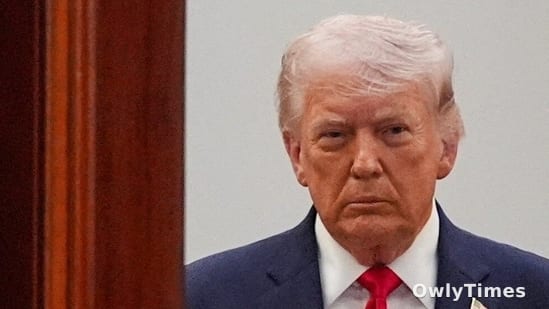
The swift cycle of speculation and rebuttal surrounding Donald Trump’s health last week – triggered by cancelled public appearances and culminating in a conspicuously absent Easter church service – highlights a persistent tension in modern political reporting: the public’s right to know about a leader’s well-being versus the intensely private nature of medical information. While reports definitively showed the 79-year-old President Trump to be physically capable, evidenced by his return to the White House and a round of golf at Trump National Golf Club in Virginia on April 5th, the very need for such visible reassurance speaks to a growing distrust and a demand for transparency that extends beyond policy debates. It’s not simply about whether the rumors of illness were true; it’s about why those rumors gained traction so quickly and what that reveals about the current media landscape.
Original reporting: hindustantimes.com.
The initial wave of concern stemmed from the abrupt cancellation of all scheduled public events on March 6th. This immediately prompted speculation, with social media users suggesting a potential hospitalization at Walter Reed Medical Center, the designated facility for presidential care. The speed with which these theories spread is noteworthy. In an era saturated with information – and misinformation – a single cancelled event can become a catalyst for widespread anxiety. Crucially, the absence of an immediate, clarifying statement from the White House fueled this narrative. Reports from Bethesda, Maryland, confirmed that President Trump’s motorcade was not observed at Walter Reed, effectively debunking the hospitalization claim. However, the damage, in terms of public perception, was already underway. The subsequent photographic evidence of President Trump walking unassisted upon his return to the White House, while demonstrably proving his physical activity, felt less like a proactive disclosure and more like a reactive attempt to control the narrative.
The decision to forego a traditional Easter church service, opting instead for a “ceremoniously slow” tour of the Arlington Circle and a visit to his golf club, further complicated matters. The Daily Beast’s reporting on this alternative itinerary, coupled with the White House’s own social media post focusing on the Resurrection of Jesus Christ, created a dissonance. While the White House acknowledged the religious significance of the day, President Trump’s personal observance deviated from established precedent. This isn’t a matter of medical necessity, but of symbolic weight. The optics of a president, even one known for breaking norms, choosing a golf outing over a public display of faith on a major religious holiday are significant, particularly when viewed through the lens of pre-existing health concerns. It’s a detail that invites interpretation, and in the absence of explanation, speculation fills the void.
It’s also important to note what wasn’t communicated. Walter Reed hospital, despite the intense scrutiny, did not issue any statements addressing the rumors. Their Instagram story focused on Gold Star Spouses’ Day, a commendable gesture, but one that did little to quell the anxieties surrounding the President’s health. This silence, whether intentional or simply a matter of protocol, reinforces the perception of a lack of transparency. The White House press pool’s updates, while providing factual accounts of President Trump’s movements, lacked any insight into the reasons behind the initial event cancellations. This isn’t to suggest malfeasance, but to highlight the limitations of relying solely on observational reporting when deeper context is needed.
Looking ahead, the focus should shift from simply debunking individual rumors to understanding the underlying conditions that allow them to flourish. The next step for researchers – and for responsible journalism – is to analyze the patterns of information dissemination during periods of political uncertainty. How do social media algorithms amplify unverified claims? What role do partisan media outlets play in shaping public perception? And, crucially, what proactive steps can government institutions take to build trust and ensure timely, accurate communication during times of potential crisis? The question isn’t just whether President Trump is healthy, but whether the systems in place are equipped to navigate the complexities of presidential health in the age of instant information and pervasive distrust. We should be watching for any changes in White House communication protocols regarding the President’s schedule and health, and assessing whether those changes demonstrably reduce the space for unsubstantiated speculation.