
Is the world truly breathing a sigh of relief, or are we simply pausing for air before the next geopolitical plunge? President Donald Trump’s acceptance of a Pakistani-brokered ceasefire with Iran isn’t a victory for diplomacy; it’s a stark admission of miscalculation, and a testament to the limits of American power in a world increasingly willing to say “no.” The real story here isn’t a fragile peace – it’s the unraveling of the assumption that the US can unilaterally dictate terms in the Middle East.
The initial escalation, fueled by joint US-Israeli attacks and Iran’s forceful response, wasn’t just a military conflict. It was a stress test of the global economic system, immediately triggering a crisis in oil, liquefied gas, and inflation as Tehran strategically closed the Strait of Hormuz. Trump reportedly anticipated a swift victory, a repeat of past interventions designed to force “regime change.” But Iran proved remarkably resilient, inflicting serious damage on US assets and demonstrating a capacity for sustained retaliation that clearly surprised Washington. This wasn’t a crumbling state ripe for takeover; it was a nation prepared to endure significant cost to defend its interests.
This article draws on reporting from theconversation.com.
The most telling aspect of this near-disaster wasn’t the battlefield stalemate, but the isolation of the US. Trump couldn’t rally meaningful support from traditional allies. Why? Because Benjamin Netanyahu, currently facing war crimes indictments by the International Criminal Court, dragged the US into a conflict without consultation, and allies rightly refused to be complicit in a potentially illegal war. They assessed, correctly, that their national interests didn’t align with a conflict violating international law and the UN Charter. This isn’t about pacifism; it’s about self-preservation. Nations are increasingly prioritizing their own economic and political stability over blindly following US foreign policy directives.
The financial implications alone should have been a red flag. The conflict was costing the US at least US$1 billion (A$1.4 billion) per day, adding substantially to a federal debt already nearing US$40 trillion (A$56.6 billion). That’s not abstract economic policy; that’s real money diverted from domestic programs, impacting everyday Americans. And the public noticed. By the time the ceasefire was proposed, 61% of US citizens opposed the war, and Trump’s approval ratings were plummeting. The war wasn’t just failing strategically; it was becoming a political liability.
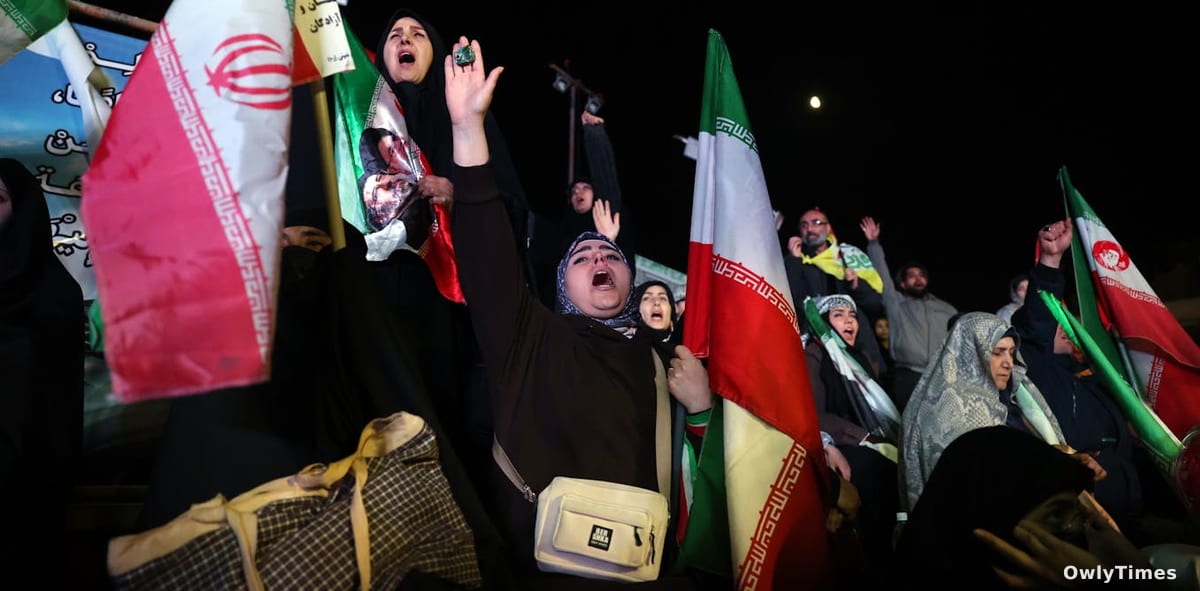
The situation devolved into a costly and ultimately unsustainable arms race, a “race between missiles and interceptors” as one source described it, with Israel facing critical shortages of both defensive systems and manpower. Yet, despite relentless bombardment and attempts at “decapitation” of its leadership, the Islamic Revolutionary Guard Corps (IRGC) continued to launch advanced missiles and drones, demonstrating a sustained retaliatory capability. This highlights a crucial point: military might isn’t a substitute for understanding the cultural and ideological factors that underpin a nation’s resistance. Iranian cultural identity and religious devotion proved to be powerful mitigating forces against external aggression, a pattern repeated throughout its history.
The ten-point proposal from Iran, responding to an initial fifteen-point US offer, offers a glimpse into the potential path forward. Key elements – a cessation of hostilities (though disputed by Israel regarding Lebanon), a US commitment to non-aggression, continued Iranian control of the Strait of Hormuz, sanctions relief, and acceptance of Iran’s right to enrich uranium for peaceful purposes – represent significant concessions from both sides. But the biggest challenge isn’t negotiating these points; it’s managing Netanyahu, who has long sought not just regime change in Iran, but the dismantling of Iran as a regional power.
The ceasefire isn’t a triumph of diplomacy; it’s a forced recalibration. It’s a recognition that the US can’t simply impose its will on the Middle East, and that its allies are increasingly unwilling to enable that delusion. The question now isn’t whether a “post-war regional order” is possible, but whether Trump can actually control the actors involved – specifically, whether he can rein in Netanyahu and force him to accept a negotiated settlement. Watch closely for whether the US begins to publicly distance itself from Israel’s maximalist positions. If that doesn’t happen, this two-week ceasefire will be nothing more than a temporary reprieve, and the countdown to the next crisis will have already begun.