
Is the future of gaming just…more game? Obsidian Entertainment’s year-one anniversary update for Avowed isn’t about revolutionizing the RPG; it’s about doubling down on what already works, and frankly, that’s a more interesting signal than another metaverse pitch. The real story here isn’t the addition of new races or a New Game+ mode – it’s the quiet acknowledgement that players don’t necessarily want different games, they want more of the game they already enjoy, tailored to their preferences. And that shift in focus has massive implications for how studios approach post-launch content going forward.
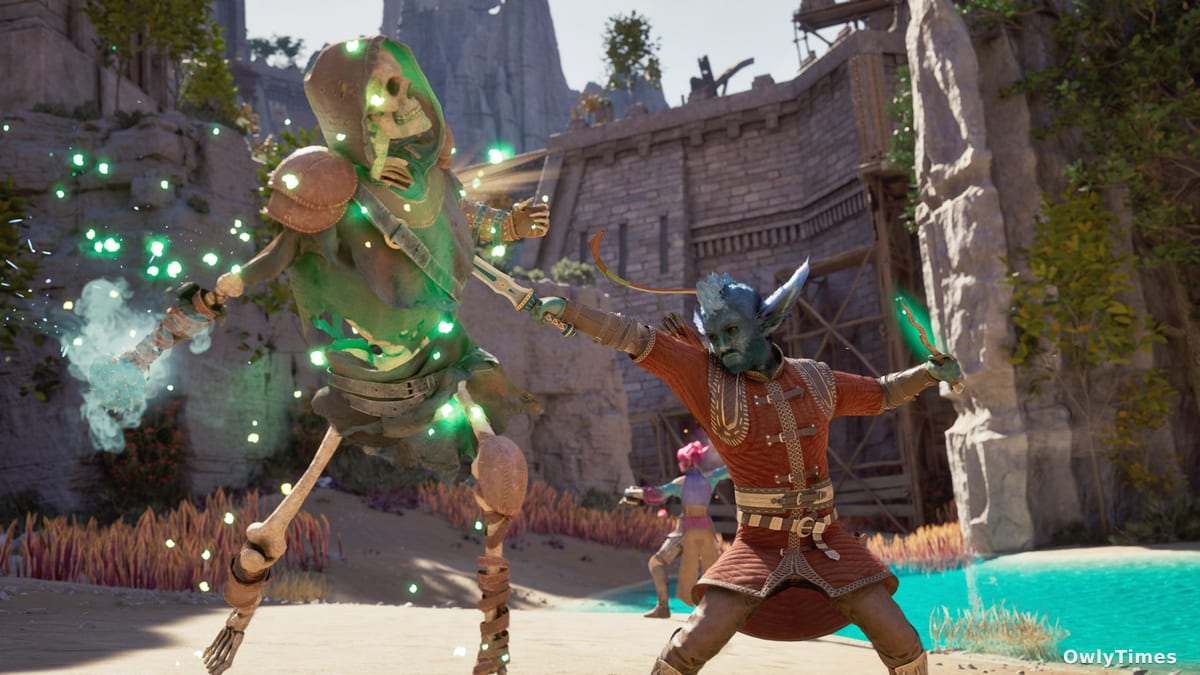
Avowed, launched in late 2023, initially received a mixed reception. While praised for its combat and world-building within the established Pillars of Eternity universe, some critics pointed to a lack of endgame content and a somewhat linear narrative. Obsidian clearly listened. This anniversary update, available now alongside the game’s long-awaited PlayStation 5 debut, isn’t a course correction; it’s a full-throttle expansion of existing systems. The headline features – Dwarves, Orlans, and Aumauan joining the existing human and elven races – are significant, but the real power lies in how seamlessly they’re integrated. The new Magic Mirror in the Party Camp isn’t just a cosmetic change; it’s a statement. Players aren’t forced to roll new characters to experience different playstyles; they can experiment on the fly, fundamentally altering their envoy’s identity mid-campaign.
This level of flexibility extends to the New Game+ mode. While many RPGs offer a second playthrough with increased difficulty, Avowed’s implementation is surprisingly granular. Players retain abilities (excluding the powerful “godlike” skills), weapons, and enchantments, but enemy stats scale accordingly, and a customizable difficulty slider allows for truly bespoke challenges. Want enemies to hit like trucks but have paper-thin health? Go for it. Prefer a more forgiving experience with increased player resources? That’s an option too. This isn’t about artificial difficulty; it’s about empowering players to curate their own experience. Compared to the industry average of simply bumping up enemy health by 20%, Avowed’s approach feels genuinely thoughtful.
Drawn from news.xbox.com.
Beyond the headline features, the update is packed with quality-of-life improvements. A Photo Mode, long a staple of modern gaming, finally arrives, allowing players to showcase their meticulously crafted envoys and the stunning landscapes of the Living Lands. The addition of the quarterstaff as a new weapon type provides another combat option, and even seemingly minor tweaks – like the ability to skip certain conversations with a particularly verbose deity – demonstrate Obsidian’s commitment to addressing player feedback. These aren’t flashy additions, but they contribute to a smoother, more enjoyable experience. The team at Obsidian has also been steadily adding to the game since launch, including more abilities for the fighter and ranger skill trees, an arachnophobia mode, and the ability for enemies to use player abilities.
The PlayStation 5 launch is also noteworthy. Unlike some cross-platform releases that feel like afterthoughts, Avowed arrives on PS5 with all of the past year’s updates already integrated. This isn’t just a port; it’s a complete package, offering PlayStation players immediate access to the fully realized Avowed experience. This is a smart move, particularly given the game’s $49.99 price point – a competitive offering in the current RPG landscape. The standard and premium editions are available on Xbox Series X|S, Xbox on PC, ROG Xbox Ally handhelds, Xbox Cloud, PlayStation 5, Battle.net, and Steam.
But here’s where things get interesting. This isn’t just about making Avowed a better game; it’s about setting a precedent. We’ve spent years hearing about “games as a service,” often translated to endless microtransactions and repetitive grind loops. Obsidian is demonstrating a different path: meaningful, player-driven content that extends the lifespan of a game without resorting to predatory practices. The success of this update will be a crucial test. If players respond positively, we’ll likely see more studios prioritizing depth and customization over constant, disruptive updates.
My prediction? Within the next two years, we’ll see a surge in RPGs offering similar “sandbox” post-launch support – not just new storylines, but tools that allow players to fundamentally reshape their experience. The question isn’t whether games will continue to evolve after release, but how. Will they become endless content mills, or will they become increasingly personalized playgrounds? Obsidian is betting on the latter, and for once, I think they’re betting on the right side.

