
The flickering neon sign of a Dallas, Texas game studio—a phoenix rising from the ashes of a streaming giant’s ambition—feels less like a business announcement and more like a quiet act of defiance. Bossfight Entertainment, once swallowed whole by Netflix and then unceremoniously spat out, is back. But this isn’t simply a resurrection; it’s a pointed question mark hanging over the future of streaming’s foray into game development, and a testament to the enduring power of creative teams to reclaim their narratives. The story of Bossfight’s revival, announced yesterday, isn’t about a company getting a second chance, it’s about the inherent tensions between the fast-moving world of game development and the subscription-based pressures of the streaming model.
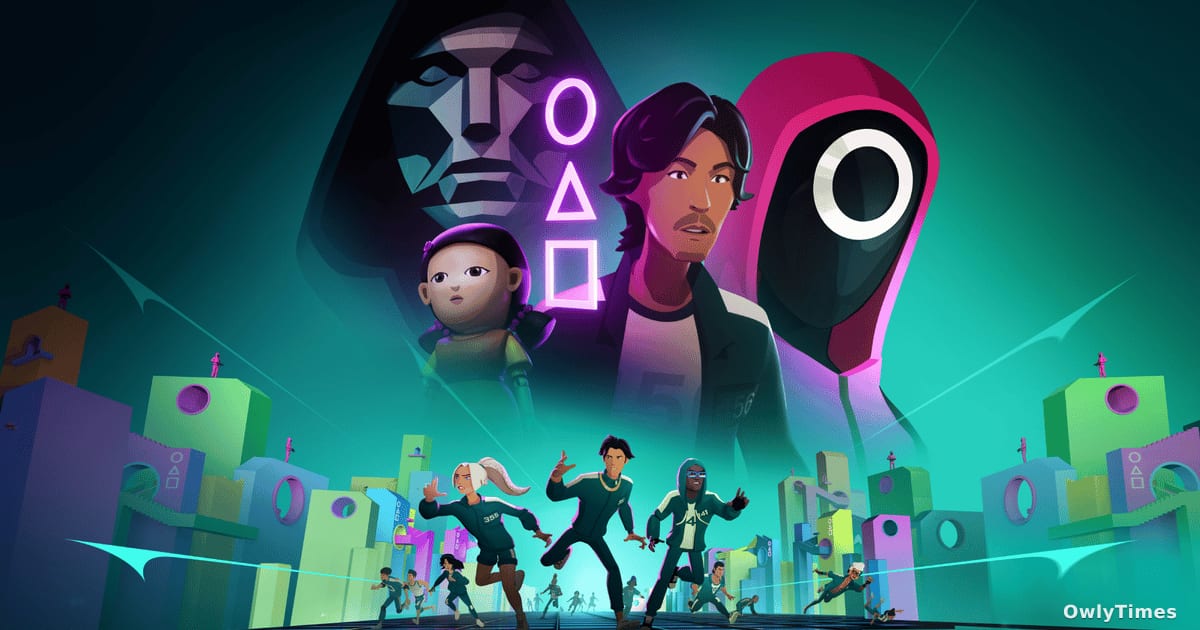
In 2022, Netflix was on a buying spree, snapping up studios like Bossfight, Night School Studio (of Oxenfree fame), and Next Games for a cool $72 million. The logic was clear: bolster the streaming service with exclusive, engaging games to retain subscribers. Squid Game: Unleashed, launched by the original Bossfight team, briefly hit #1 in 26 countries, a seemingly promising indicator. Yet, just three years later, in October of last year, the studio was shuttered. David Rippy, now CEO of the relaunched Bossfight, called it “rough.” The shutdown wasn’t a failure of the game itself, but a symptom of a larger strategic shift within Netflix, a realization that building and maintaining a successful game studio wasn’t as simple as adding another content category. The company is now pivoting towards cloud-based gaming accessible via television screens by 2026, as explained by co-CEO Greg Peters, a move that fundamentally alters the role of in-house studios.
This isn’t an isolated incident. The industry is buzzing with similar stories of studios acquired with fanfare only to be sidelined or dissolved. Just weeks ago, Capcom faced accusations of dismantling union contracts following an acquisition. And, crucially, 26 former Bossfight developers didn’t wait for a second chance from Netflix. They formed Sunwise Games in January, already deep in development on their first title, to be unveiled at GDC this week. This parallel exodus speaks volumes. It’s not just about job security; it’s about creative control, about the freedom to nurture projects beyond the quarterly demands of subscriber growth. The fact that two distinct entities emerged from the wreckage of the original Bossfight—the relaunched studio led by Rippy, Bill Jackson (chief product officer), and Scott Winsett (COO), and the independent Sunwise Games—highlights a fundamental split in philosophy.
The new Bossfight is deliberately scaling back, opting for a “small, lean core team” and relying on partnerships for scaling. Winsett emphasizes a focus on “creativity and execution,” a subtle but significant rejection of the rapid expansion and resource allocation often favored by large corporations. This approach is a direct response to the Netflix experience, a conscious effort to avoid the pitfalls of being a cog in a larger, less agile machine. It’s a bet that quality and focused vision can outweigh the benefits of massive investment. The company’s intention to focus on PC and mobile platforms also suggests a strategic awareness of market trends, recognizing the continued dominance of these spaces and the relative accessibility for independent development.
Based on the original gamedeveloper.com report.
Beyond the headlines of acquisitions and shutdowns, this story reveals a crucial power dynamic shift within the gaming industry. It’s a reminder that talent and creative vision are not simply assets to be acquired, but communities to be fostered. The question now isn’t whether Netflix can succeed in the gaming space, but whether its model—one predicated on rapid scaling and integration into a broader subscription service—is fundamentally compatible with the iterative, often unpredictable nature of game development. Will other studios, emboldened by Bossfight and Sunwise’s example, prioritize independence and creative control over the allure of a corporate buyout? The industry will be watching closely to see if this phoenix truly soars, or if it’s merely a fleeting spark in a landscape increasingly dominated by streaming giants.