
The chipped Formica of the arcade counter felt cool under George Costanza’s palms in that iconic Seinfeld episode. He wasn’t playing to win, not really. He was becoming the game, contorting his body to mimic the frantic dashes of the pixelated frog across a relentless highway. That 1998 moment, a comedic high point for Frogger, wasn’t just a bit of television; it was a cultural acknowledgement of how deeply video games had woven themselves into the fabric of everyday life. Now, decades later, Frogger is a finalist for induction into The Strong National Museum of Play’s World Video Game Hall of Fame, a reminder that influence isn’t always about graphics or sales figures – it’s about resonance.
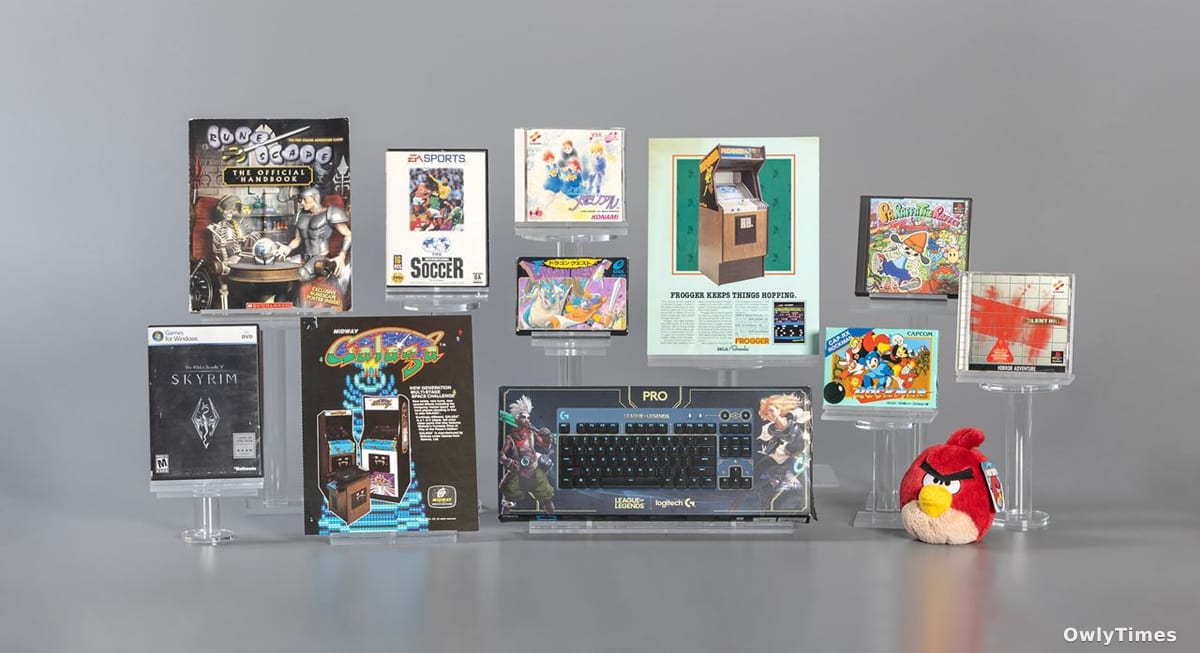
The 2026 class of nominees, announced this week, is a fascinating snapshot of gaming history, spanning from the early arcade boom to the mobile revolution. As Jon-Paul C. Dyson, PhD, director of The Strong’s International Center for the History of Electronic Games, points out, “This year’s finalists span decades and platforms…from arcade classics of the 1970s to PC icons of the 1990s to one of the most popular mobile games of all time from the 2000s.” But beyond the list of twelve titles – including heavy hitters like FIFA International Soccer (over 325 million copies sold by 2023) and the massively popular League of Legends (peaking at 6.7 million viewers during its 2025 World Championships) – lies a more compelling story about how we define “important” in the world of interactive entertainment.
Based on the original Spectrum News report.
For years, the Hall of Fame debate centered on technical innovation and commercial success. Games like Galaga (1981), a refinement of the space shooter genre, and Dragon Quest (1986), which popularized the Japanese role-playing game (JRPG) format, certainly fit that bill. Dragon Quest’s impact is undeniable, laying the groundwork for franchises like Final Fantasy and Pokémon. But the inclusion of titles like PaRappa the Rapper (1996) and Tokimeki Memorial (1994) signals a shift in perspective. PaRappa the Rapper, with its quirky visuals and rhythm-based gameplay, didn’t just sell copies; it created a genre, paving the way for Dance Dance Revolution and Guitar Hero. Tokimeki Memorial, though never officially localized outside Japan, fundamentally altered game design by prioritizing character relationships and narrative depth. These weren’t just games; they were experiments that expanded the very definition of what a video game could be.
The nomination of Silent Hill (1999) is particularly striking. While it sold over two million copies and spawned a film franchise, its true legacy lies in its psychological horror and atmospheric storytelling. It wasn’t about jump scares; it was about dread, about exploring the darkness within the characters and within the player. In a market increasingly dominated by spectacle and power fantasies, Silent Hill dared to be unsettling, to be thoughtful. This recognition feels particularly relevant now, as horror games continue to evolve beyond simple gore and embrace more nuanced and emotionally resonant narratives. The game’s influence can be seen in modern titles like Alan Wake 2, which similarly blends psychological horror with compelling storytelling.
Perhaps the most telling inclusion is Angry Birds (2009). Launched by Rovio, the game became a global phenomenon, downloaded billions of times and generating billions in revenue. But its significance isn’t just economic. Angry Birds wasn’t a technical marvel; it was a perfectly timed cultural moment. It arrived alongside the smartphone revolution, demonstrating the potential of mobile gaming to reach a massive, casual audience. It proved that compelling gameplay didn’t require complex controls or high-end graphics – it just needed to be fun, accessible, and a little bit addictive. It’s a reminder that sometimes, the most impactful games are the ones that simply bring joy to millions.
The Strong’s upcoming “Player’s Choice” ballot, allowing fans to vote for their favorites, adds another layer to this conversation. It’s a recognition that the history of video games isn’t just written by critics and scholars; it’s shaped by the players themselves. But will nostalgia trump critical assessment? Will the sheer popularity of FIFA or League of Legends overshadow the artistic merit of Silent Hill or the genre-defining innovation of PaRappa the Rapper? The results, announced May 7th, will offer a fascinating glimpse into the collective memory of gaming and, more importantly, what qualities we value most in the games that have shaped our lives. The question isn’t just which games will be inducted, but what story will the 2026 class ultimately tell about the evolution of interactive entertainment and its enduring place in our culture?