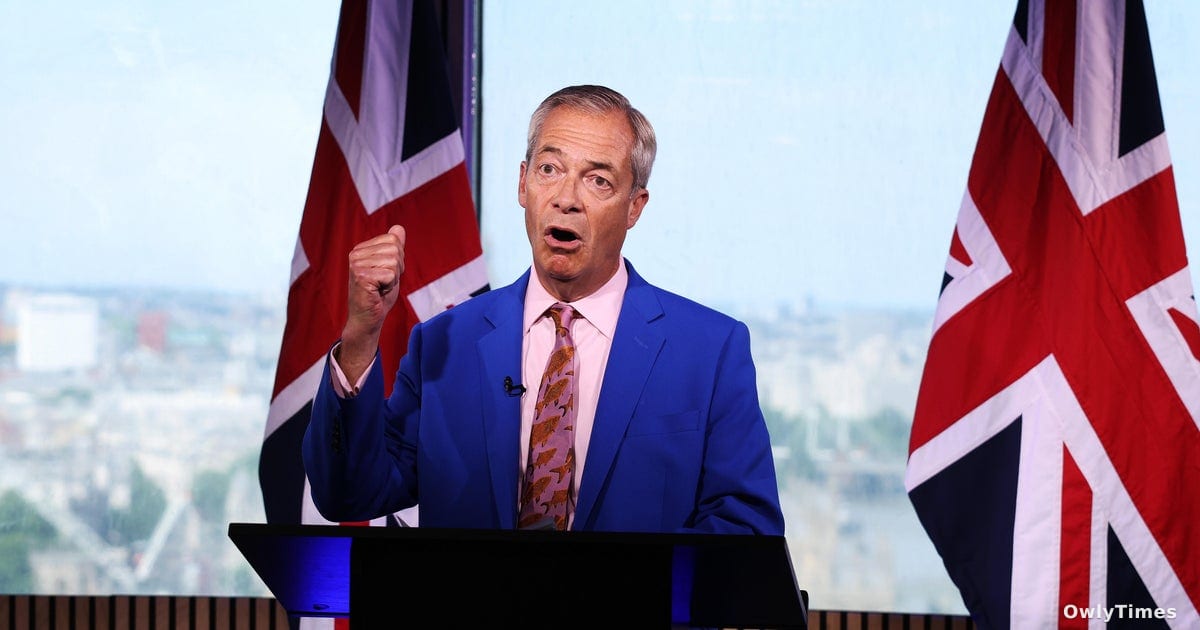

The strategic calculus behind Nigel Farage’s shock resignation from his seat in Clacton is a classic populist maneuver: when facing institutional scrutiny, redefine the arena to bypass the rules. By resigning his parliamentary seat on July 7, 2026, the leader of Reform UK has effectively suspended a formal investigation by the parliamentary commissioner for standards, Daniel Greenberg, into his financial disclosures, according to Euronews. Farage is betting that a direct mandate from his constituents will grant him a "people’s" shield against what he labels an "establishment hit job," as reported by The Guardian.
In this political chess match, the beneficiaries and the losers are clearly demarcated. Farage benefits by stalling the investigation into a £5 million donation from crypto-billionaire Christopher Harborne and undisclosed gifts from fraud-convicted entrepreneur George Cottrell, as detailed by ABC News. Conversely, the "establishment" parties—Labour, the Conservatives, and the Liberal Democrats—find themselves in a strategic bind. By refusing to field candidates in the upcoming by-election, they hope to deny Farage the legitimacy of a high-profile victory, effectively treating the contest as a "fake" or "stunt," a characterization noted by the BBC.
The historical precedent here is the recurring cycle of populist leaders using "insider" status to claim "outsider" status. Much like the anti-establishment rhetoric utilized by Donald Trump during his 2016 campaign, Farage is attempting to frame his regulatory troubles as evidence of political persecution. However, the move carries significant risks. CBS News reports that while Farage claims he has "done nothing wrong," critics like outgoing Prime Minister Keir Starmer argue he is "up to his neck in sleaze." If Farage wins his seat back—which polls suggest is likely—the parliamentary inquiry is expected to resume, potentially leading to a suspension or a second, more damaging by-election later.
The details of the financial controversy vary slightly by source. The Guardian notes that bankers have raised concerns with the National Crime Agency regarding the potential for money laundering related to the Harborne donation, a detail echoed by Euronews. ABC News further clarifies the regulatory threshold, noting that lawmakers are required to declare gifts worth more than £300 received within 12 months of taking office, which Farage contends were personal expenses for security.
The immediate political landscape in Clacton has now devolved into a surreal spectacle. With the major parties boycotting, the only confirmed challengers are fringe candidates, most notably the performance artist Count Binface, who has positioned himself as a "unity candidate," according to Euronews. The BBC notes that other minor figures, including actor Laurence Fox, have also declared their intent to run.
The move to watch next is the specific date of the by-election. While Reform UK has proposed August 6, the legal framework mandates the process occur within 35 days of the vacancy being formally recognized. As the dust settles on the resignation, the primary signal will be the turnout: if the establishment boycott succeeds in depressing voter participation, Farage’s "people versus the establishment" narrative may lose its momentum, regardless of the final vote count.