
The chipped red paint of the Athena Cinema, a fixture at 20 S. Court St. in Athens, Ohio, feels particularly poignant this week. Tonight, it won’t be showing a blockbuster or a classic revival, but “No Sleep Til Kyiv,” a documentary chronicling the relentless work of humanitarian aid volunteers in Ukraine. The suggested $10 donation isn’t just a ticket price; it’s a small act of solidarity in a world increasingly numb to ongoing crises. This isn’t escapism, it’s a deliberate choice to look, and that choice feels significant in a media landscape saturated with manufactured drama. It’s a quiet rebellion against the relentless pursuit of distraction, and a signal of a growing appetite for content that grapples with real-world weight.
This week’s entertainment offerings, viewed through that lens, reveal a fascinating tension. On one hand, we have the final season of “The Boys” dropping on Prime Video, promising the usual dose of cynical superhero satire – eight episodes culminating on May 20th, marking the end of an era for the series. Simultaneously, Netflix is rolling out “Big Mistakes,” a crime drama, and the tenth season of “Temptation Island,” both leaning into familiar tropes of heightened emotion and manufactured conflict. These aren’t bad shows, but they represent a comfort zone, a desire for predictable narratives in unpredictable times. The viewership numbers will tell the story, but I suspect the Athena Cinema’s screening, and others like it, are tapping into something deeper.
This piece references the thepostathens.com report.
The release of “You, Me & Tuscany” starring Halle Bailey and Regé-Jean Page on Friday is a perfect illustration of this dynamic. The premise – a woman pretending to be engaged to the owner of an Italian villa – is pure rom-com escapism, a glossy fantasy of sun-drenched romance. It’s precisely the kind of film designed to transport audiences away from the anxieties of daily life. Yet, even here, there’s a subtle shift. The casting of Bailey, a Black actress, in a traditionally white genre, and Page’s continued rise as a leading man, represent a slow but steady diversification of the romantic comedy landscape. This isn’t just about representation; it’s about broadening the definition of who gets to experience, and sell, the fantasy. The film’s success will hinge on whether audiences embrace this evolution.
Beyond the streaming wars and box office battles, the music industry is also navigating this moment. Ella Langley’s sophomore album, “Dandelion,” co-produced by country powerhouse Miranda Lambert and Ben West, arrives Friday with a focus on “growth and hope.” This feels deliberate. After years of dominating headlines with celebrity scandals and genre-bending experiments, there’s a growing demand for authenticity and emotional resonance in music. Langley’s album, if it delivers on its promise, could capitalize on that shift. The 18-track length is ambitious, signaling a commitment to depth over fleeting virality.
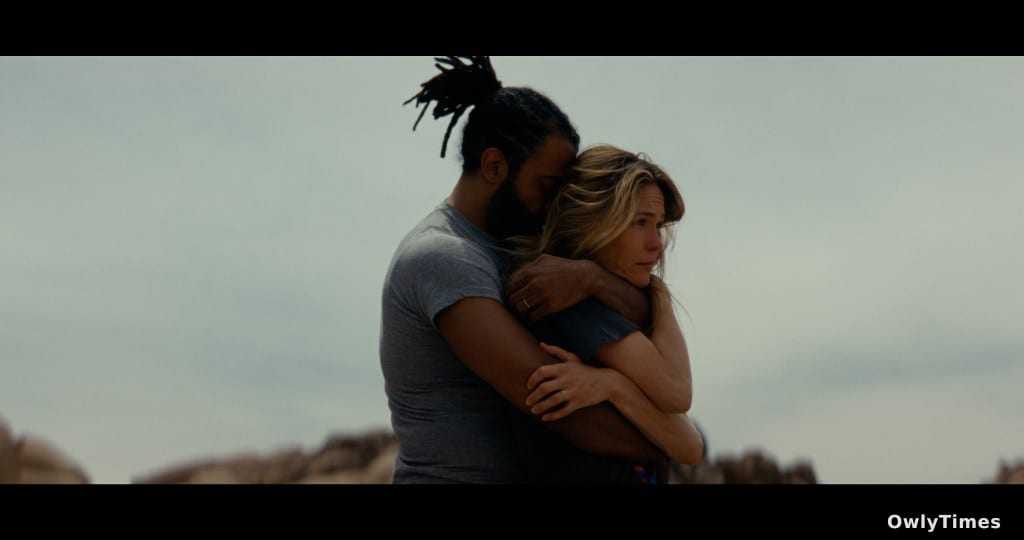
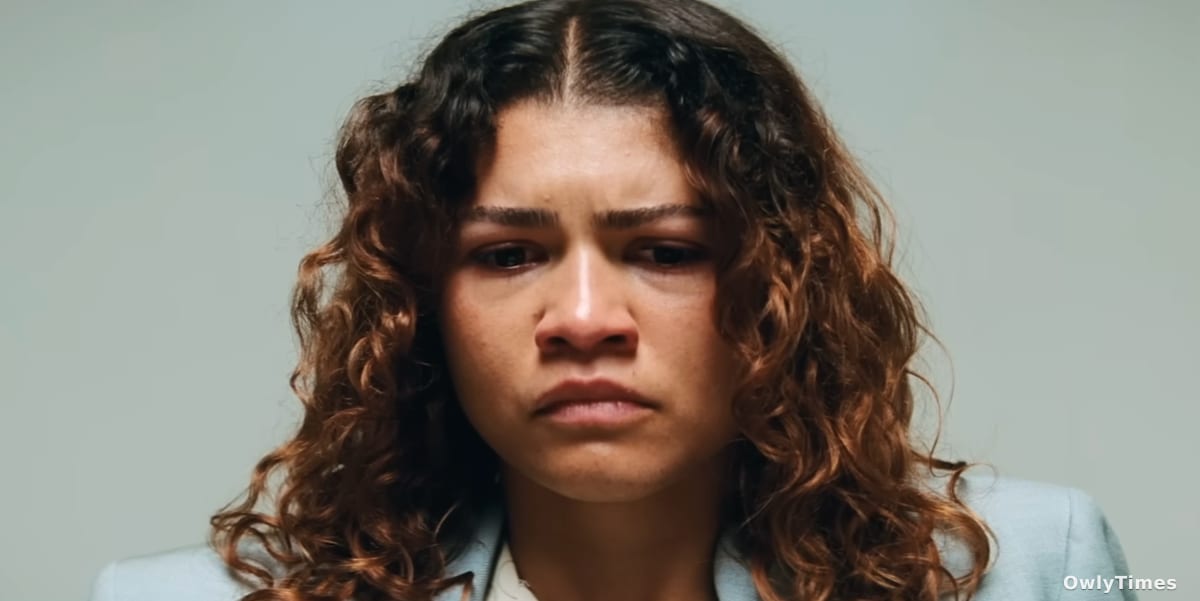
But perhaps the most emotionally charged release of the week is the return of “Euphoria” to HBO on Sunday. Four years after its explosive second season, and following the tragic death of Angus Cloud and the departure of Barbie Ferreira and Storm Reid, the show’s comeback is fraught with complexity. The inclusion of footage featuring Eric Dane posthumously adds another layer of grief and remembrance. “Euphoria” always walked a tightrope between sensationalism and genuine exploration of teenage trauma. Now, with the cast and crew grappling with real loss, the show’s return feels less like entertainment and more like a reckoning. Will it honor the legacy of those lost, or will it succumb to the pressures of maintaining its shock value?
Finally, Noah Kahan’s documentary “Out of Body,” premiering on Netflix Monday, offers a meta-commentary on the very phenomenon we’re witnessing. The film chronicles Kahan’s struggle to reconcile his newfound fame with his personal identity, a struggle that resonates deeply with a generation grappling with the pressures of social media and the commodification of authenticity. It’s a story about the cost of visibility, and the search for meaning in a world obsessed with spectacle.
The question isn’t simply what we’ll be watching this week, but why. Are we seeking solace in escapism, demanding more meaningful engagement, or bracing ourselves for the inevitable collision of art and reality? The Athena Cinema’s screening of “No Sleep Til Kyiv” feels like a small but powerful indicator: audiences are ready to look beyond the headlines, and the industry needs to respond with more than just entertainment. Will the coming weeks prove that this desire for substance is a fleeting trend, or the beginning of a fundamental shift in how we consume and create stories?