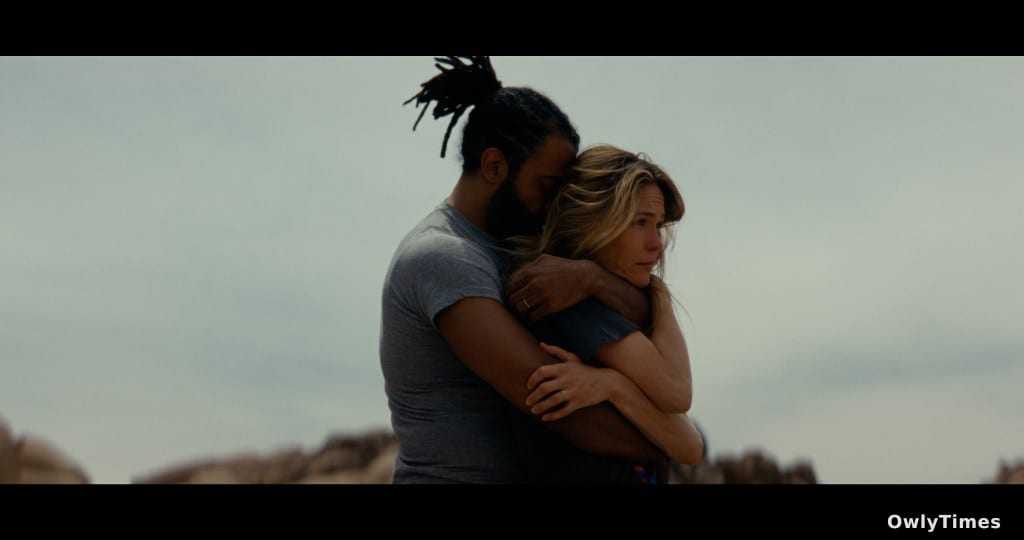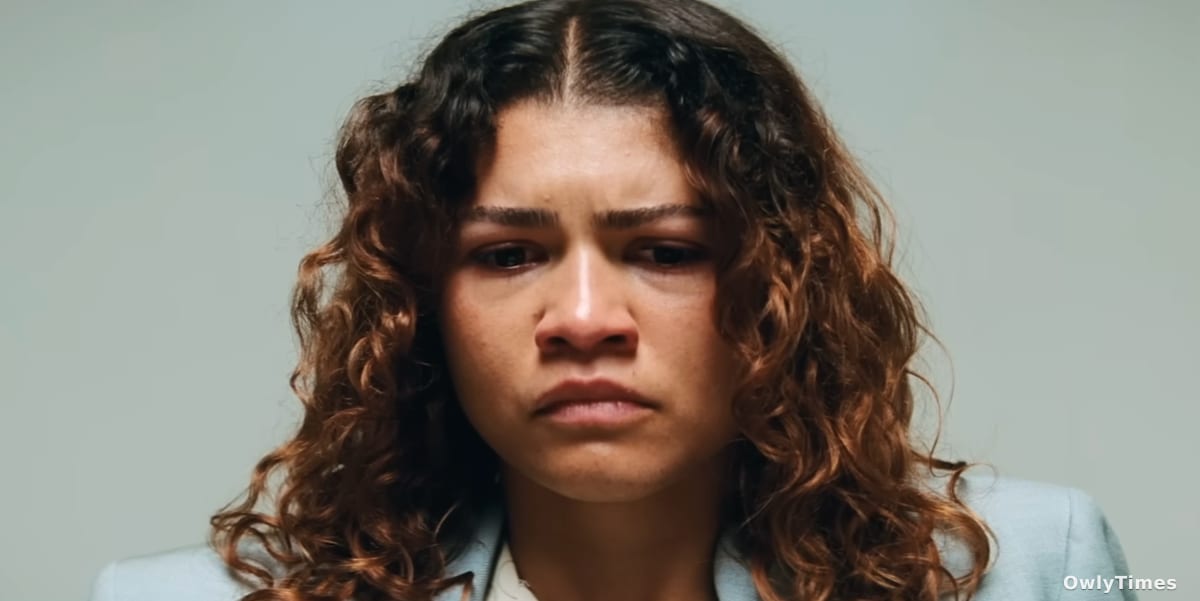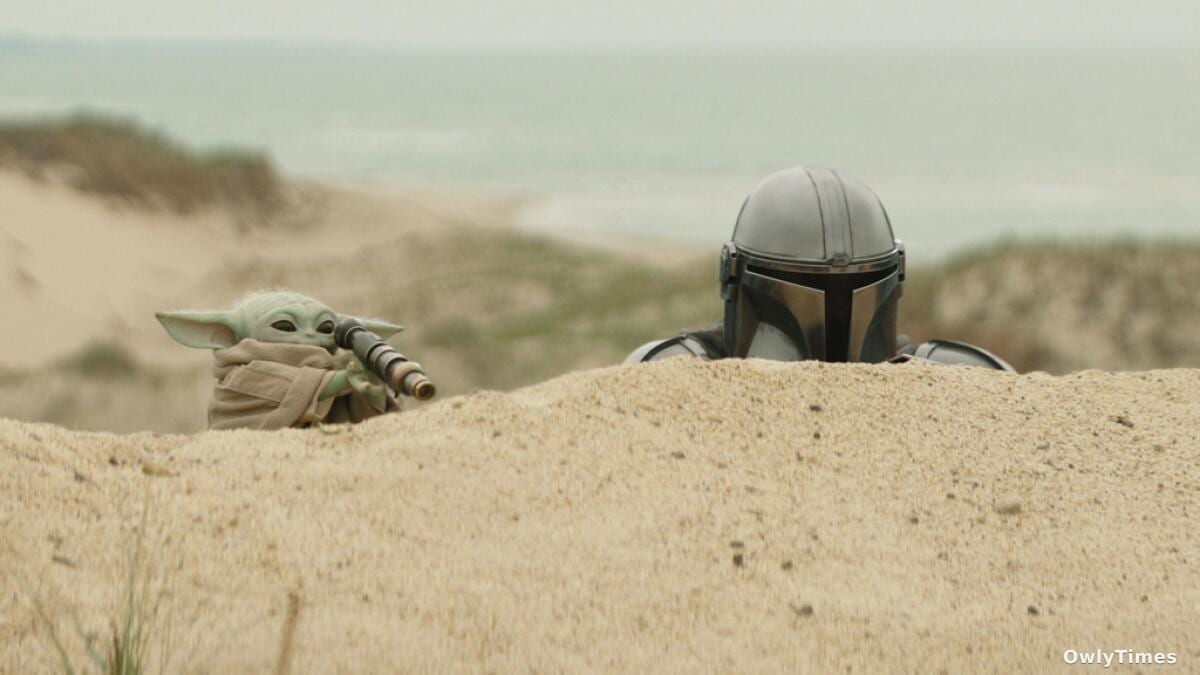

The red carpet at the 76th Berlinale International Film Festival felt…different this year. Not in the gowns or the flashbulbs, but in the undercurrent of anxiety among studio executives. It wasn’t about critical reception, but about whether the buzz generated inside the festival would translate into TikTok views. Because increasingly, a film’s fate isn’t sealed by reviews, but by its ability to ignite a 15-second trend. TikTok is doubling down on this reality, launching two new AI-powered ad formats in Europe designed to directly convert scrolling into streaming, ticket sales, and ultimately, box office success. It’s a move that signals a fundamental shift in how entertainment is marketed, and a growing dependence on an app once dismissed as a platform for dance challenges.
The Algorithm Knows What You Want to Watch
The new ad types – Streaming Ads and New Title Launch – aren’t just about showing trailers to a wider audience. They’re about hyper-personalization fueled by TikTok’s notoriously effective algorithm. Streaming Ads, offering formats like four-title video carousels, will serve up content based on a user’s existing engagement. Think you binge-watched true crime documentaries last week? Expect a curated selection of similar titles. New Title Launch goes even further, targeting users exhibiting “high intent” – those signaling genre preferences and even price sensitivity. This isn’t just advertising; it’s predictive marketing, anticipating what a user will want before they even realize it. The fact that TikTok reports 80% of its users are influenced by the app when choosing what to watch is a staggering statistic, and one that studios are scrambling to leverage. Compare that to traditional advertising, where reach is often broad and impact difficult to measure, and the appeal is clear.
Reporting from searchengineland.com informs this analysis.
From Viral Moments to Measurable Results
The timing of this rollout isn’t accidental. The Berlinale, and film festivals in general, are traditionally launchpads for generating critical acclaim and awards buzz. But in the age of short-form video, they’re also proving grounds for virality. Last year, 15 of the top 20 European box office hits had already gained traction on TikTok, with an average of 6.5 million daily posts dedicated to film and TV content in 2025. This isn’t correlation; it’s causation. A well-timed sound bite, a compelling scene, or a clever hashtag can propel a film into the cultural conversation, driving ticket sales and subscriptions. The challenge for marketers has always been capturing that lightning in a bottle. These new ad formats aim to engineer it, offering a direct line between algorithmic targeting and measurable results.
Beyond the Headlines: The Power Dynamic Shift
But this isn’t simply a win for marketers. It’s a significant power shift within the entertainment industry. For decades, studios controlled the narrative, dictating release dates and marketing strategies. Now, TikTok – and by extension, its algorithm – holds considerable sway. This raises questions about artistic control and the potential for homogenization of content. Will studios prioritize creating “TikTok-able” moments over nuanced storytelling? Will smaller, independent films struggle to gain visibility in a landscape dominated by algorithm-friendly blockbusters? The reliance on a single platform also introduces risk. A change in TikTok’s algorithm, or a shift in user preferences, could instantly disrupt carefully laid marketing plans.
What Happens When the Algorithm Decides?
The introduction of these ad formats isn’t just about selling more tickets or subscriptions. It’s about the increasing influence of AI in shaping our cultural experiences. We’re moving towards a world where our entertainment choices aren’t solely based on personal preference, but on what an algorithm thinks we should like. The question now isn’t whether these ad formats will be effective – they almost certainly will be. It’s whether the entertainment industry is prepared to cede so much control to a platform that prioritizes engagement above all else. Will we see a future where films are designed not for audiences, but for algorithms? That’s the scenario marketers, and moviegoers, should be watching closely.