
How do we cultivate the next generation of educators who are as comfortable in a high-tech marine laboratory as they are at the front of a secondary school classroom? The challenge of modern STEM education lies not just in the mastery of complex biological or geological data, but in the ability to translate that rigor into accessible, classroom-ready pedagogy. Recent developments within specialized academic tracks suggest that the solution may involve blurring the lines between active scientific research and professional teacher training.
Bridging the Gap Between Fieldwork and Pedagogy
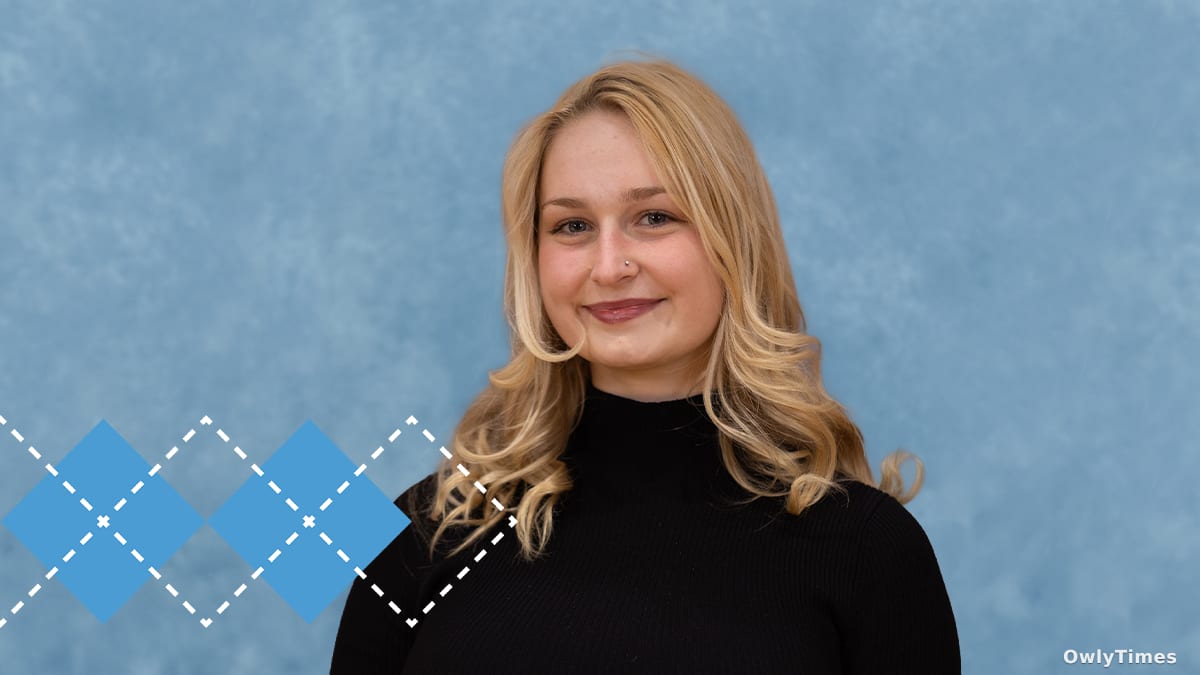
For Evianna Merriam, a graduating senior at the University of North Carolina at Chapel Hill, this integration became the cornerstone of her undergraduate experience. While many students choose a binary path—either committing to the laboratory bench or the lecture hall—Merriam leveraged the UNC School of Education’s baccalaureate education in science and teaching program, known as the BEST program. By majoring in environmental science and minoring in marine science and education, she sought to prove that a scientist’s value is magnified when they possess the tools to teach.
The BEST program is designed for students who are not only passionate about the rigors of science or mathematics but are also eager to make a tangible impact in North Carolina classrooms. The structure of this initiative is notable for its efficiency; it utilizes a 24-credit hour pathway that allows students to earn their teaching licensure alongside their primary scientific degree in just four years. This is a critical intervention in teacher preparation, as it ensures that educators entering the workforce have deep, current knowledge in fields like biology, chemistry, or physics, rather than just general pedagogical training.
The Reality of Classroom Readiness
What the study of such programs reveals is that theoretical coursework is often insufficient without the crucible of student teaching. Merriam’s tenure at East Chapel Hill High School served as the practical application of her studies. While headlines often focus on the shortage of STEM teachers, the actual work involves the granular, daily challenges of classroom management and instructional strategy. Merriam’s experience highlights that the success of these programs is measured by a student’s ability to move beyond mere content delivery and instead learn how to support diverse learners and build meaningful, individualized relationships with students.
It is important to consider the limitations inherent in such highly structured academic pathways. While the BEST program offers a clear, accelerated route to licensure, the heavy course load required to maintain both a science major and an education minor is significant. The success of this model relies heavily on the quality of advising and the capacity of the university to place students in diverse, supportive classroom environments. Not every institution has the faculty resources to provide the mentorship that Merriam experienced, meaning this model’s scalability remains a subject of ongoing discussion among education policy experts.
From Coastlines to Classrooms
Merriam’s trajectory, which culminates in her Spring Commencement on May 9, provides a measurable signal for the efficacy of research-integrated education. Beyond her time in the classroom, she participated in fieldwork with the UNC Institute of Marine Sciences in Morehead City. Working with veterinarian Greg Lewbart, she collected data on wild cnidarians—aquatic invertebrates—and conducted a literature review on how climate change affects their proliferation.
This dual focus on marine biology and secondary education is not a coincidence; it is a deliberate attempt to create educators who model scientific inquiry for their students. Following her graduation, Merriam will continue this research at the Bald Head Island Conservancy, serving as a live example of how academic research and professional teaching goals can coexist. The next reading of enrollment and graduation metrics for the BEST program will show whether this model of "researcher-educator" can be expanded to meet the growing demand for qualified math and science teachers across North Carolina.