
How do we bridge the widening chasm between the specialized work occurring in high-stakes research labs and the public’s understanding of that science? For Stephanie Teeter, a researcher with more than two decades of experience in biology and biomedical engineering, the answer lies not in more complex data, but in transforming how scientists view their own role as communicators. While many academic institutions treat public outreach as a secondary obligation—a box to be checked—Teeter argues that the scientific community is missing a vital opportunity to foster genuine connection.
Redefining the Outreach Framework
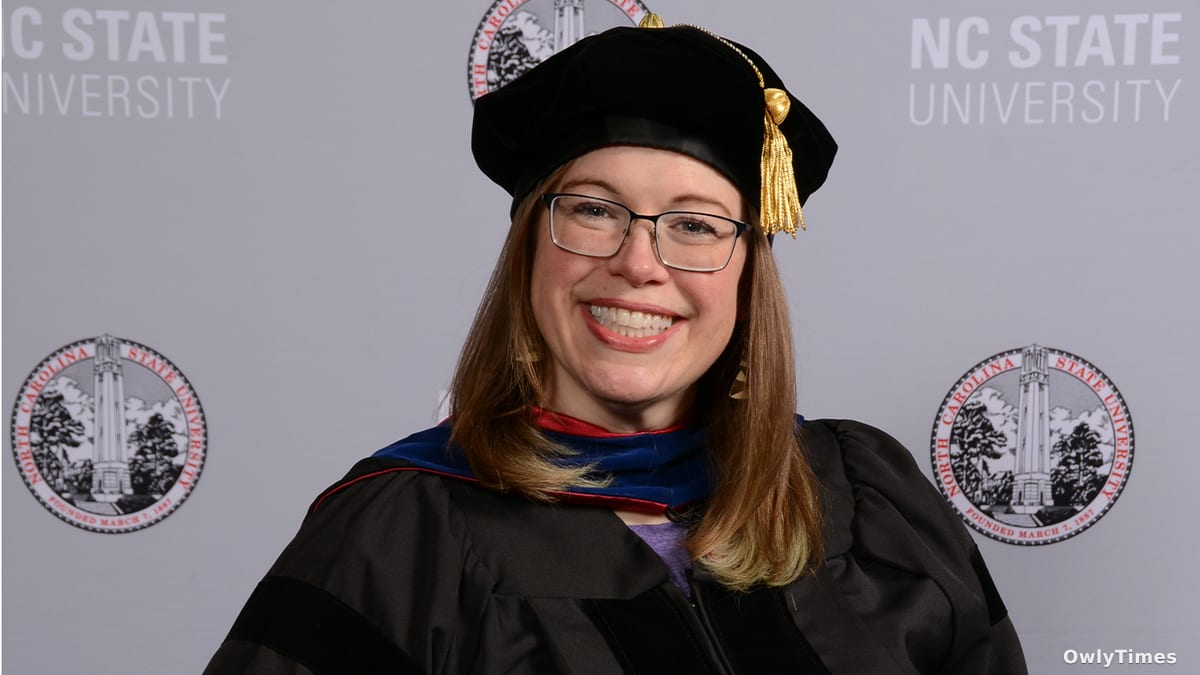
Teeter, who is currently pursuing her Ph.D. in Learning and Teaching in STEM Science Education Concentration at the NC State College of Education, is tackling this challenge through her dissertation research on a professional development tool called Impact Identity. In academic circles, public engagement is often categorized as a series of isolated, mandatory events. Teeter’s model suggests a fundamental pivot: instead of viewing outreach as a burden, scientists should frame it as a core component of their professional and personal identity.
The methodology behind Impact Identity is designed to move beyond the "one-off" model of community engagement. By helping scientists map their specific research passions to broader public interests, the framework allows them to develop sustainable outreach habits. This is a departure from traditional science communication training, which often focuses solely on presentation mechanics rather than the underlying motivations of the researcher. If the goal is to improve scientific literacy, Teeter’s approach suggests that the primary hurdle is not the audience’s capacity to learn, but the researcher’s ability to find their unique voice within the scientific narrative.
Bridging the Gap from the Bench
Teeter’s work is grounded in her extensive background as a research technician and lab manager. Having spent over 20 years in biology and biomedical engineering labs, she has witnessed firsthand the tension between the intense requirements of bench research and the desire to share findings with the public. Many of her peers expressed a genuine passion for their work but lacked the roadmap to translate that excitement for non-scientists.
Her transition into the NC State College of Education provided the flexibility needed to study this phenomenon while maintaining her professional duties. By integrating her curriculum requirements with her existing outreach work—such as her involvement with the Morehead Planetarium’s Inspiring Meaningful Programs and Communication through Science (IMPACTS) training program—she has created a feedback loop between theoretical education and practical application. Her participation in local science fairs, STEM nights, SciREN (Scientist and Researcher Education Network), and science olympiad served as a living laboratory for testing the concepts that would eventually form her dissertation.
The Reality of Public Engagement
It is important to note that Impact Identity is a developmental framework, not a guaranteed panacea for all science communication challenges. While the tool aims to support outreach, the ultimate success of such efforts depends on institutional support and the availability of time for researchers who are already operating under heavy laboratory workloads. The distinction between what the study proposes—a shift in mindset—and the systemic barriers often faced by scientists remains a critical area for observation.
Looking ahead, Teeter plans to remain within the biomedical engineering department post-graduation, but with a structural change to her role. By formalizing her responsibilities to prioritize education and outreach, she intends to move beyond the traditional confines of laboratory management. The next phase of her work will provide a measurable indicator of whether shifting a researcher's focus toward "impact identity" successfully correlates with more sustained and effective public engagement in professional scientific settings. Her transition will serve as a practical case study in how academic institutions might better integrate education-focused activities into the daily life of the research lab.