
The stability of a nation’s health infrastructure is often measured by its ability to absorb sudden shocks, but in Lebanon, that capacity is being tested to a point of profound exhaustion. As medical professionals struggle to maintain care under the weight of ongoing military strikes, the scientific and logistical reality of a public health system under siege becomes clear: resilience has a limit. While international headlines focus on the shifting landscape of regional diplomacy and maritime blockades, the clinical environment in Lebanon is grappling with the immediate, tangible consequences of sustained conflict.
The Strain on Clinical Infrastructure
Dr. Firass Abiad, a physician and the former Lebanese public health minister, has characterized the situation as one of "a lot of strain." The primary clinical challenge is the management of daily, high numbers of casualties arriving at hospitals that are already operating under extreme duress. This influx of trauma patients is compounded by a massive population of internally displaced people, which places secondary pressure on health services that are not designed for such rapid, large-scale surges.
What the headlines may overlook is the human capital cost of this crisis. Despite the fact that many doctors and nurses are themselves internally displaced, they continue to report for duty. This level of professional commitment is a vital variable in the survival of the healthcare system, yet it is a non-sustainable model. From a public health perspective, the reliance on individual heroism is a indicator of systemic fragility, not institutional strength.
Supply Chain Realities and Medical Reserves
The logistical architecture of Lebanese medicine is almost entirely dependent on imports. With the country sourcing nearly all key medical supplies from abroad, the current geopolitical volatility—specifically the restriction of shipping lanes—creates an acute vulnerability. According to the Ministry of Health, the current stock of medications is estimated to last up to two months.
While this two-month window offers a temporary buffer, it is not a solution for long-term health security. In clinical settings, the predictability of supply chains is essential for maintaining standards of care for chronic conditions, surgical procedures, and emergency trauma. Any disruption beyond this two-month threshold will shift the crisis from one of patient volume to one of absolute resource scarcity.
Regional Tensions and the Maritime Corridor
The instability in the healthcare sector is inseparable from the wider regional standoff centered on the Strait of Hormuz. As of Monday, Brent crude was trading at $107.50 a barrel, a figure that reflects the global economic anxiety surrounding the effective closure of this critical waterway. With roughly 20% of the world's crude oil and liquefied natural gas passing through the region, the humanitarian impact extends far beyond the immediate theater of conflict.
The trade association Intertanko reports that approximately 2,400 seafarers are currently stranded on over 105 tankers within the closed strait. The managing director of the association, Tim Wilkins, has highlighted the extreme anxiety and fatigue facing these crews, who are currently managing basic necessities like food, water, and waste removal with no certainty of when they might return home. This situation, paired with the recent interception of vessels by the U.S. and the seizure of cargo ships by Iran, signals a breakdown in the norms of maritime transit.
Looking Toward Future Stability
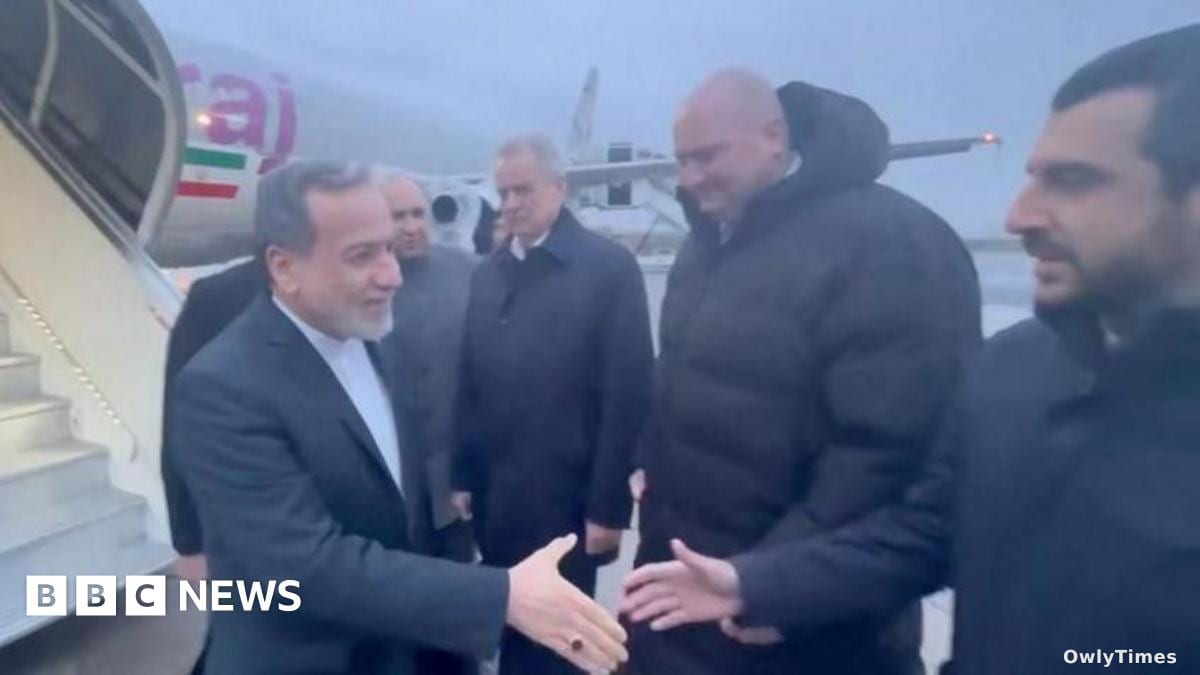
The immediate path forward remains obscured by stalled diplomatic efforts. Following the cancellation of a planned trip to Islamabad by U.S. special envoy Steve Witkoff and Jared Kushner, the window for formal negotiations has narrowed significantly. While Iranian Foreign Minister Abbas Araghchi has engaged in discussions with Omani officials regarding "shared responsibility" for the strait, the lack of a unified diplomatic framework keeps the region in a state of suspended animation.
The next reading of the medication reserve levels within the Lebanese Ministry of Health will serve as a critical metric for the country's internal stability. Simultaneously, the status of the Strait of Hormuz—and whether current diplomatic outreach can secure the release of the 2,400 stranded seafarers—will determine the broader economic and humanitarian trajectory of the region. Until a consistent, enforceable framework for both medical supply transit and maritime safety is established, the healthcare system in Lebanon will remain in a state of precarious, high-stakes endurance.





