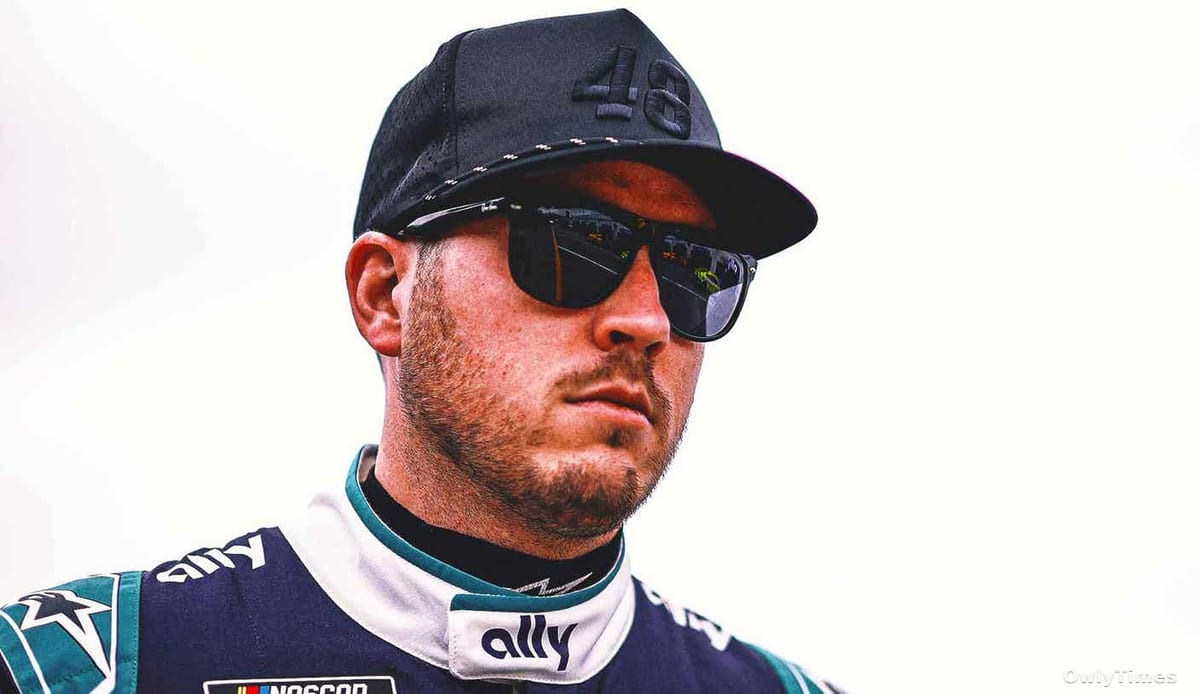

The desert air hung thick with anticipation, not just for Sunday’s NASCAR Cup Series race at Phoenix International Raceway, but for the question mark looming over the No. 48 Hendrick Motorsports Chevrolet. Alex Bowman, a hometown favorite and Arizona native, won’t be behind the wheel, sidelined by a persistent bout of vertigo that first flared up during the final stage of last week’s race at Circuit of the Americas. It’s a gut punch for Bowman, not just because he’s missing a race on familiar ground, but because this isn’t a standalone setback – it’s a pattern, and it’s unfolding during a critical contract year.
The Weight of Repeated Absences
This isn’t the first time Bowman has been forced to the sidelines. In the last five seasons alone, he’s missed five races due to a concussion in 2022 and three more last year after a brutal sprint-car accident fractured his back. While NASCAR is a sport synonymous with risk, the frequency of these injuries, and their impact on Bowman’s career trajectory, speaks to a larger conversation about driver safety and the physical toll of competing at this level. The sport has made strides in safety – the Next Gen car, for example, was designed with improved crash structures – but the sheer forces involved, and the demands placed on drivers, mean injuries remain a constant threat. Bowman’s situation isn’t just about bad luck; it’s a stark reminder of the vulnerability inherent in pushing a machine to its absolute limit.
This piece references the foxsports.com report.
A Simulator Star Gets His Shot
Stepping into the No. 48 this weekend is Anthony Alfredo, a name familiar within the Hendrick Motorsports organization. While not a household name for casual fans, Alfredo isn’t a stranger to the Cup Series, boasting 43 career starts, primarily with Front Row Motorsports in 2021. But his value to Hendrick goes beyond seat time. He’s the team’s go-to simulator driver, spending countless hours virtually testing setups and providing crucial feedback. Jeff Andrews, President of HMS, highlighted this in a statement, noting the team is “encouraged by the progress [Bowman] is making, but we have to prioritize his health above all else.” This isn’t simply a case of plugging in a warm body; Alfredo’s simulator work means he’s intimately familiar with the car’s dynamics, offering a smoother transition than a completely unfamiliar driver. It’s a testament to the growing importance of simulation in modern racing, where virtual testing can shave valuable seconds off lap times.
The Playoff Picture Darkens
The timing of this setback couldn’t be worse for Bowman. Currently last among full-time drivers in the Cup Series standings, he’s already 45 points outside a playoff spot. Missing Phoenix, a track where he’s historically performed well, will likely push that deficit to at least 65 points. In a sport where consistency is king, and every position matters, this is a significant blow. The desperation was palpable at COTA last week, when the team scrambled to find a driver – ultimately landing on pit reporter Myatt Snider – just to finish the race. The fact that Bowman couldn’t even attempt to start the race, and hand off to Alfredo mid-event to salvage points, underscores the severity of his condition. This isn’t just about missing a race; it’s about potentially watching a playoff berth slip away, and facing increased scrutiny as he navigates a contract year.
Beyond the Headlines: The Cost of Commitment
The image of Bowman attempting to push through the vertigo at COTA, then driving laps in a streetcar at Ten Tenths Motor Club in Concord just days later, speaks volumes about the relentless dedication demanded of these athletes. He’s clearly determined to return to the track, but at what cost? The pressure to compete, to fulfill sponsorship obligations, and to secure a future contract can be immense. This situation raises a critical question: how do we balance the demands of the sport with the long-term health and well-being of its drivers? Bob Pockrass, a veteran NASCAR reporter for FOX Sports, has covered over 30 Daytona 500s and witnessed firsthand the evolution of safety protocols. But even with those advancements, the inherent risks remain, and the pressure to perform can push drivers to their physical and mental limits.
The question now isn’t just who will win at Phoenix, but whether NASCAR, and teams like Hendrick Motorsports, will proactively address the underlying issues that contribute to these recurring driver injuries. Will we see a greater emphasis on preventative care, more robust concussion protocols, and a more open dialogue about the physical and mental demands of the sport? Or will we continue to react to crises, patching up the symptoms while ignoring the systemic pressures that put drivers like Alex Bowman in harm’s way? The answer will define not just Bowman’s future, but the future of NASCAR itself.