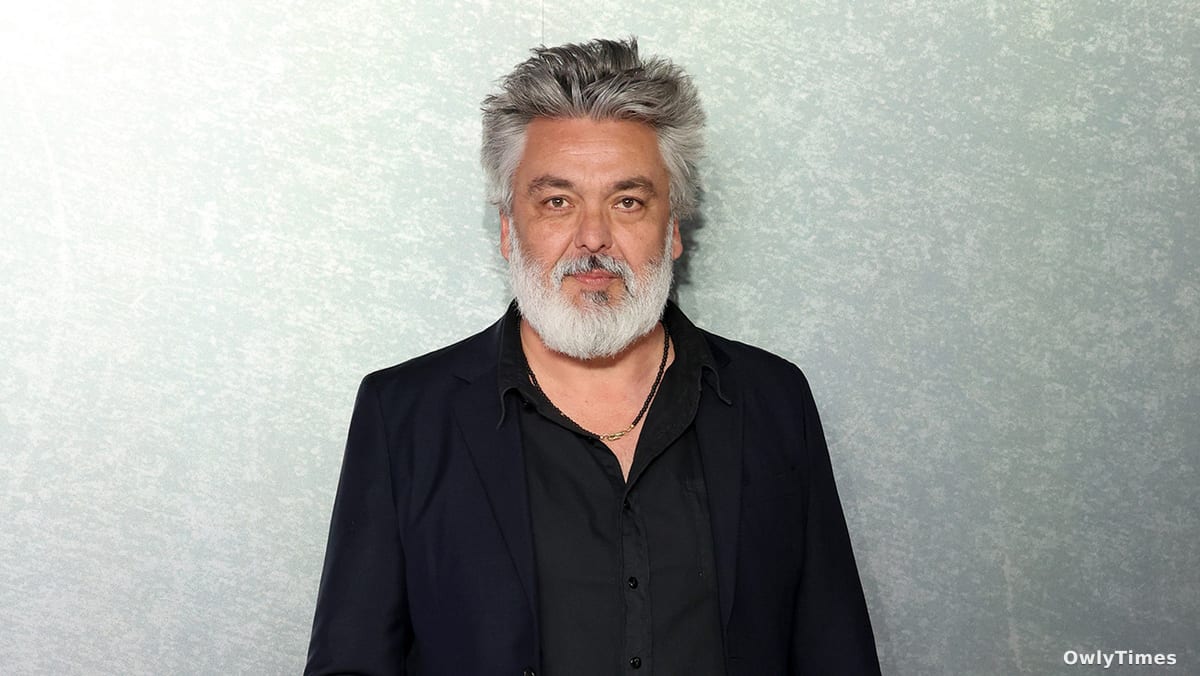

The Hollywood landscape has shifted from a collection of siloed fiefdoms into a singular, sprawling ecosystem where the most potent creators no longer just write scripts—they build entire infrastructures. When Jez Butterworth puts pen to paper, the result is rarely just entertainment; it is the kind of visceral, bone-deep storytelling that defined projects like Ferrari, Edge of Tomorrow, and Fair Game. Now, that creative gravity is pulling him into the orbit of Universal Entertainment under a new five-year overall deal that aims to unify his vision across both television and film.
The Universal Ecosystem Strategy
For NBCU Entertainment chair Donna Langley, the acquisition of a talent like Butterworth is about more than just filling a production slate. By tasking him to work with Universal Studio Group on the television side while simultaneously developing movies for Universal Pictures, the studio is betting on a cross-platform synergy that few creators can effectively bridge. Langley noted in a statement that Butterworth’s ability to create work that gets "under your skin" is precisely the kind of distinct voice the studio needs to remain competitive. This structural move suggests that Universal is prioritizing "entry points" for its top-tier talent, allowing them to exert influence over a broader range of content rather than pigeonholing them into a single medium.
Navigating the 101 Studios Connection
The deal is far from a clean break from Butterworth’s existing commitments, highlighting the complex web of talent management in the modern era. Butterworth remains deeply embedded with 101 Studios, the powerhouse behind series like MobLand and The Agency, both of which stream on Paramount+. Because 101 Studios secured a production deal with NBCUniversal last year—coinciding with the high-profile migration of Taylor Sheridan—Butterworth finds himself at a unique intersection of competing networks. His ability to maintain this partnership while simultaneously committing to his new five-year Universal tenure is a masterclass in modern deal-making, supported by his representation at CAA and Jackoway Austen.
The Institutional Shift of the Sheridan Era
The presence of former Paramount co-CEO Chris McCarthy in this new equation is the most telling detail of the current industry realignment. McCarthy, who transitioned to NBCU last year, is tasked with managing the studio's evolving relationship with Sheridan. The timeline for this transition is aggressive; Sheridan is moving his film portfolio to NBCUniversal this year, with his television projects slated to follow in 2029. As these heavyweights congregate under the NBCU banner, the studio is effectively consolidating a massive portion of the industry's most successful creative output.
Assessing the Creative Trajectory
For an industry grappling with the volatility of the streaming age, the recruitment of established, versatile voices is a defensive maneuver against the fragmentation of audiences. By securing Butterworth for a five-year term, Universal is betting that a singular creative philosophy can hold weight across the disparate worlds of film and episodic television. The next reading of the production output from the Universal Studio Group and Universal Pictures will reveal whether this strategy of "ecosystem-wide" talent integration produces the intended lasting impact, or if the sheer scale of the studio's portfolio dilutes the very intensity that made Butterworth such a coveted target in the first place.