
50,000 potential institutional buyers now have a streamlined pathway to add electric vehicles to their municipal rosters. This figure represents the scale of the new master purchasing agreement signed between Tesla and Sourcewell, a cooperative procurement agency that bypasses the traditional, time-consuming bidding processes typically required for government acquisitions. By securing this contract, the automaker is attempting to convert a niche, under-indexed segment of its business into a reliable volume driver.
Breaking the Detroit Monopoly on Public Fleets
For decades, the market for municipal and state-level light-duty vehicles has been the domain of General Motors and Ford. Both Detroit-based manufacturers currently hold Sourcewell contracts that extend through November 2028, creating a formidable incumbent barrier. Tesla’s entry into this pipeline is a direct challenge to that long-standing status quo.
The deal, finalized in December, provides Tesla with a significant logistical advantage: the ability to sell an "indefinite quantity" of vehicles over a term that could reach seven years. Unlike standard retail transactions, this agreement allows third-party vendors to retrofit Tesla chassis with specific municipal requirements, such as utility beds, wheelchair ramps, and emergency police lighting. This flexibility is the primary mechanism by which the company hopes to capture a portion of the estimated 1.5 million to 2 million light-duty vehicles currently operated by state and local agencies across the U.S.
Solving the Inventory Overhang
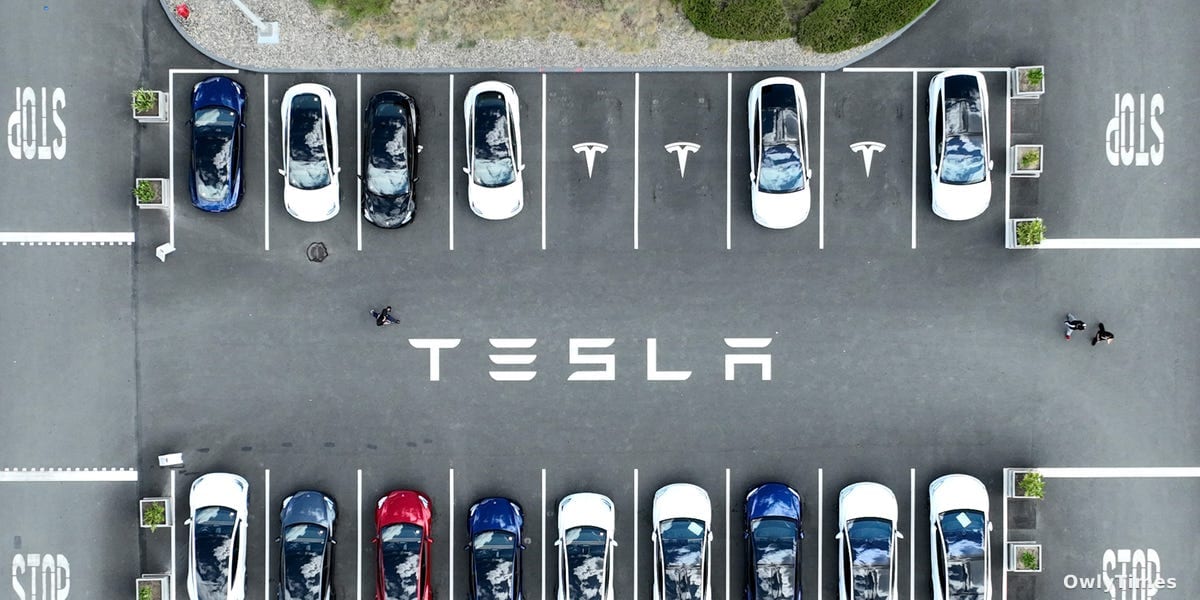
Follow the money, and the urgency behind this pivot becomes clear. In the first three months of 2026, Tesla’s production significantly outpaced its consumer deliveries, resulting in an inventory surplus of 50,000 units. This glut is the largest the company has ever reported, underscoring a softening in retail demand that makes the government sector a vital release valve.
Currently, public-sector sales account for less than 1% of the automaker’s annual volume, with just over 800 vehicles reaching these customers per year. Even within that narrow slice, the distribution is heavily concentrated; the state of California accounts for approximately 500 of those units annually, while other regions, such as Maine, purchase as few as one vehicle per year. By leveraging the Sourcewell network, Tesla is signaling that it no longer views government fleets as a peripheral market but as a necessary component to stabilize its delivery numbers.
Hurdles in the Procurement Pipeline
Despite the scale of the agreement, the transition into municipal dominance faces friction. Tesla’s direct-sales model remains constrained by dealership laws in various jurisdictions, limiting its ability to sell directly in certain markets. While the company stated it can immediately facilitate sales in 30 U.S. states, it lacks the specialized fleet financing and leasing departments that have historically made Ford and GM the preferred partners for public agencies.
To bridge this gap, the company is deploying aggressive pricing tactics, including the waiver of delivery fees for government entities. Whether these incentives are sufficient to offset the lack of traditional fleet-management services will be determined by the rate of adoption among the 50,000 agencies now eligible to purchase under the agreement. The next reading of quarterly delivery data will reveal whether this institutional shift is capable of absorbing the company's excess inventory or if the bureaucratic complexities of municipal procurement remain too high a hurdle for the consumer-focused brand.