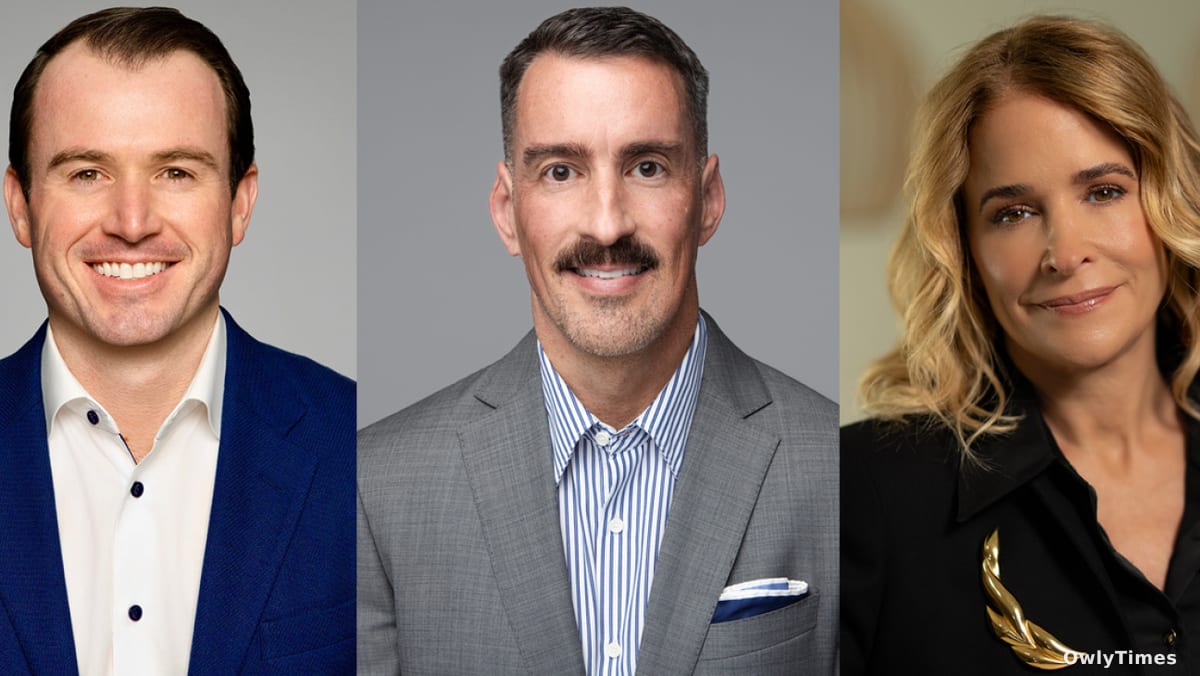

The scent of desperation – or perhaps just shrewd adaptation – hangs thick in the air of Hollywood these days. It wasn’t a red carpet premiere, but the quiet shuffling of executive appointments at Creative Artists Agency (CAA) this week that signaled the latest tremor in the industry’s ongoing earthquake. The agency’s hiring of Casey Leddy, Jim Morris, and Kris Wallis – seasoned veterans plucked from the upper echelons of Sony Pictures Entertainment, Disney, and Warner Bros. – isn’t just about bolstering a department; it’s a full-throated embrace of a future where the lines between entertainment and advertising are dissolving into a single, shimmering surface.
The New Currency of Hollywood: Integration, Not Interruption
For decades, brand integration felt like a necessary evil, a clumsy insertion of logos and product placement into the sacred space of storytelling. Think of the painfully obvious car chase scenes or the characters inexplicably clutching a specific brand of phone. But the game has changed. CAA’s move, and the broader trend it reflects, isn’t about interrupting entertainment with brands, it’s about integrating brands into the entertainment itself. This isn’t simply about a Toyota Highlander appearing in Muppets Most Wanted – a campaign Jim Morris spearheaded at Disney – it’s about brands becoming co-creators, funding content, and sharing in the upside. The agency’s statement, delivered by co-heads Scott Iason and Margo Plotkin, speaks to this “incredible growth and momentum” of their Entertainment Partnerships business, a carefully chosen phrase that hints at the scale of this shift.
This article draws on reporting from The Hollywood Reporter.
This isn’t a new phenomenon, but its acceleration is striking. The creator economy, once a niche corner of the internet, is now a dominant force. Talent like Ariana Grande and production companies like Shondaland aren’t just lending their faces to products; they’re launching brands, building empires, and demanding equity. CAA is positioning itself to be the architect of these deals, the bridge between traditional Hollywood power and the burgeoning world of influencer marketing and direct-to-consumer brands like Crocs and Tinder, both current clients of the Entertainment Partnerships department. The agency already works with giants like Apple TV and Disney, but these new hires suggest a deeper ambition: to not just sell ad space within their content, but to help fund and develop it.
Beyond the Headlines: The Studio System’s Reinvention
The backgrounds of Leddy, Morris, and Wallis are particularly telling. Each has a proven track record of navigating the complex world of studio marketing, securing lucrative partnerships with brands ranging from Revlon and L’Oréal (courtesy of Kris Wallis’s work at Sony) to Porsche and American Express. They’ve overseen campaigns for blockbuster franchises like Jumanji and Ghostbusters, understanding the intricate dance between creative vision and commercial imperatives. But their arrival at CAA isn’t just a win for the agency; it’s a tacit acknowledgment of the shifting power dynamics within the entertainment industry.
Studios, facing the existential threat of streaming and declining theatrical revenues, are increasingly reliant on external funding. In 2023, marketing spend across the entertainment industry reached an estimated $75 billion, a 5% increase from the previous year, according to Statista. A significant portion of that is now coming directly from brands eager to tap into engaged audiences. This is a subtle but profound reinvention of the studio system, where the traditional gatekeepers of Hollywood are now sharing control – and profits – with the brands that once simply bought ad space. The fact that BENlabs, where Leddy previously worked, specializes in branded integrations speaks volumes about where the industry is headed.
The Risk of Selling Out – and the Alternative
Of course, this new reality isn’t without its risks. The potential for creative compromise is real. How do you maintain artistic integrity when your film is partially funded by a soft drink company? How do you avoid alienating audiences with overly blatant product placement? These are questions CAA and its clients will need to grapple with as they navigate this evolving landscape. The line between clever integration and cynical exploitation is a thin one, and crossing it could damage both the brand and the entertainment property.
But the alternative – clinging to the outdated model of relying solely on box office receipts and traditional advertising – is arguably more dangerous. The industry is facing a reckoning, and those who adapt will survive. CAA’s strategic hires aren’t just about chasing revenue; they’re about positioning the agency – and its clients – for a future where entertainment is increasingly funded, shaped, and distributed by a complex ecosystem of brands, creators, and platforms. The question now isn’t if brands will continue to play a larger role in Hollywood, but how they will do so responsibly and creatively. Will we see a new golden age of integrated storytelling, or a descent into a world of branded content masquerading as art? That’s the narrative everyone in the industry is watching unfold.