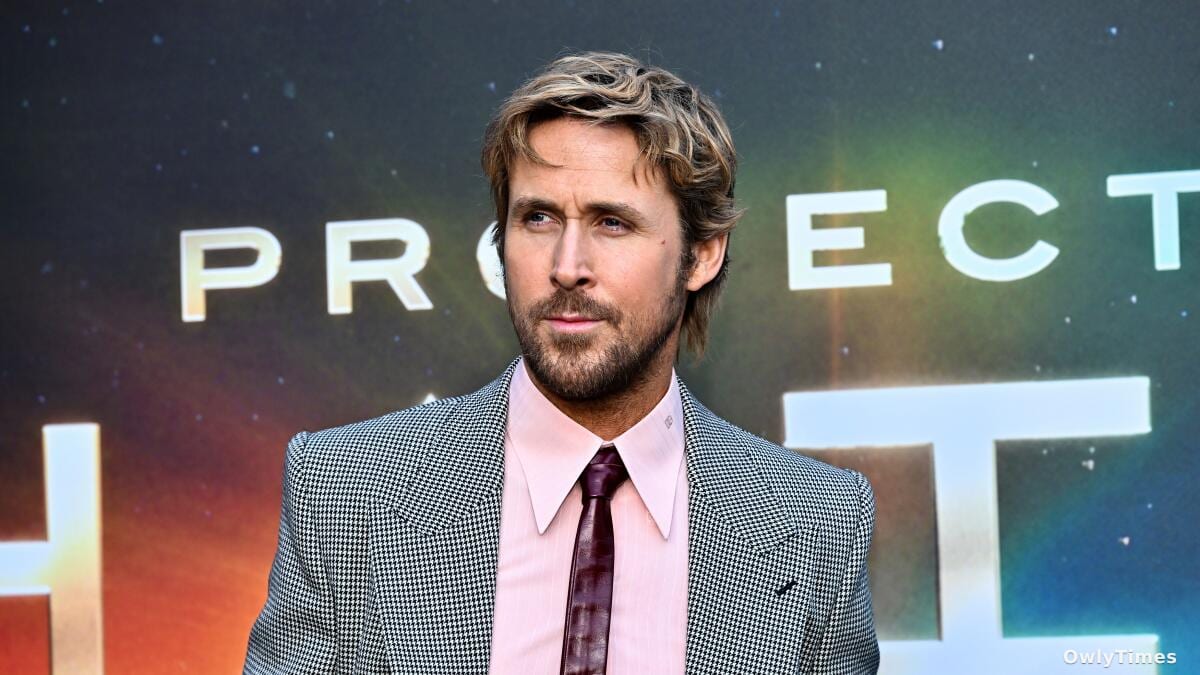

The scent of popcorn, a sound system thrumming with otherworldly energy, and a packed AMC theater in New York City. That’s where Ryan Gosling found himself last weekend, not for a premiere afterglow, but mid-launch, celebrating the $140.9 million global opening of “Project Hail Mary” – Amazon MGM Studios’ biggest theatrical debut ever, and the second-highest opening for a non-franchise film since Christopher Nolan’s “Oppenheimer.” But even as audiences cheered, Gosling was already looking ahead, revealing his next move: a new film with the directing duo Daniel Kwan and Daniel Scheinert, collectively known as Daniels, the minds behind the 2022 Oscar-sweeping “Everything Everywhere All at Once.” This isn’t just another casting announcement; it’s a signal flare about the evolving power dynamics in Hollywood, and a testament to the enduring, and perhaps surprising, resilience of theatrical experience.
A Pandemic-Delayed Vision Takes Shape
Gosling’s comments during that impromptu Q&A at the AMC were telling. He recalled receiving the script six years ago, during the bleakest days of the COVID-19 pandemic, when the very idea of a large-scale cinematic release felt “impossible.” The fact that “Project Hail Mary” not only happened but became a box office behemoth – exceeding even optimistic projections – speaks volumes. It’s a victory not just for the film itself, but for the collective hope that audiences will return to theaters for original, ambitious storytelling. The $140.9 million opening is particularly striking when contrasted with the average opening weekend for non-franchise films in 2023, which hovered around $35 million, according to data from Box Office Mojo. Gosling’s insistence that it’s “our job to make things that make it worth you coming out” isn’t just actorly humility; it’s a recognition of the responsibility filmmakers now bear in a landscape reshaped by streaming.
Universal’s All-In Bet on Daniels
The Daniels’ move to Universal Pictures in 2022, a five-year exclusive partnership alongside producing partner Jonathan Wang, was initially met with cautious optimism. While “Everything Everywhere All at Once” garnered critical acclaim and seven Academy Awards – including Best Picture, Director, and Original Screenplay – its $100 million worldwide gross wasn’t a guaranteed blockbuster. Donna Langley, chairman of Universal Filmed Entertainment Group, clearly saw something more. She described the duo as “creators who have evolved their craft with a distinct vision,” and believed they had “merely scratched the surface of what they are capable of.” This new project, overseen by Universal’s Sara Scott and Jacqueline Garell, is the first tangible result of that faith. It’s a significant investment, signaling Universal’s willingness to champion original voices and take risks on projects that defy easy categorization.
Based on the original the Los Angeles Times report.
Gosling’s Strategic Positioning in a Blockbuster Era
For Ryan Gosling, this collaboration is a shrewd career move. He’s already slated to lead Shawn Levy’s “Star Wars: Starfighter” in May 2027, firmly planting himself within the lucrative Star Wars universe. But pairing that with a project from the Daniels demonstrates a desire to maintain artistic credibility and appeal to a broader audience. Gosling isn’t simply chasing blockbusters; he’s curating a portfolio that balances franchise appeal with auteur-driven projects. This is a strategy increasingly common among A-list actors, who recognize the need to navigate both the commercial demands of Hollywood and the desire for creative fulfillment. The fact that he’s committing to this Daniels project while headlining a Star Wars spin-off suggests a confidence in his star power and a willingness to gamble on unconventional storytelling.
Beyond the Headlines: The Future of Original Cinema
The announcement of this new film isn’t just about two talented directors and a bankable star. It’s about the future of original cinema in an era dominated by sequels, reboots, and intellectual property. The success of “Project Hail Mary” and the continued enthusiasm surrounding the Daniels’ work suggest that there’s still a hunger for fresh, innovative stories. But will that hunger be enough to sustain a thriving ecosystem for original films? The question now is whether Universal, and other studios, will continue to prioritize these kinds of projects, even when they don’t come with pre-built audiences. Will Langley’s initial faith in the Daniels translate into a sustained commitment to supporting visionary filmmakers, or will the pressure to deliver consistent blockbuster returns ultimately stifle creativity? The industry will be watching closely to see if this partnership truly signals a new era of risk-taking, or if it’s simply a fleeting moment of optimism in a rapidly changing landscape.