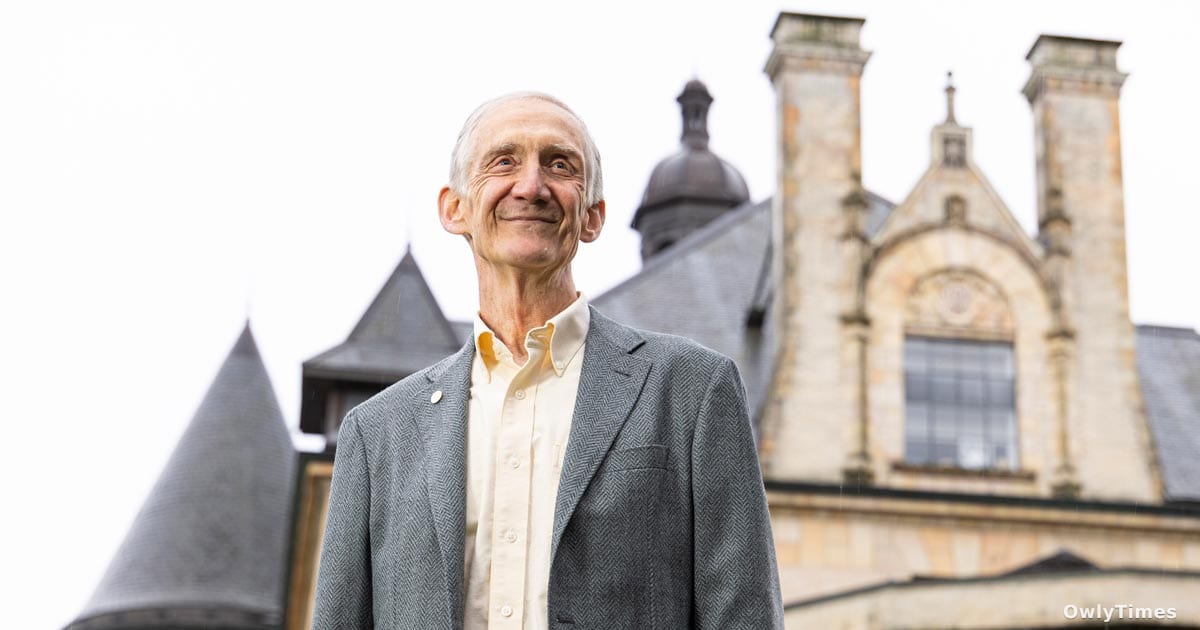

The evolution of computer science from a fledgling academic pursuit into the backbone of modern civilization is often told through the lens of breakthrough silicon chips or software architectures. However, the true infrastructure of innovation is human. The recent announcement that University of Washington Computer Science Professor Emeritus Ed Lazowska has been honored with the 2026 Distinguished Teaching Legacy Award offers a rare opportunity to examine how institutional culture—rather than just technical prowess—defines a field’s trajectory.
A Half-Century of Institutional Architecture
When Ed Lazowska joined the faculty in 1977, the landscape of computing was fundamentally different. The field was still finding its academic footing, and the rigorous methodologies we now take for granted were yet to be codified. Over the next five decades, Lazowska did not merely teach; he helped engineer the department itself. By the time he became department chair in 1993, he had already begun to shift the focus toward attracting elite faculty and building interdisciplinary partnerships that would eventually transform the University of Washington into a global powerhouse for computer science.
The public narrative often equates "teaching awards" with classroom performance, but the reality of this recognition lies in the long-term career outcomes of his students. Robert Short, a 1986 graduate, provides a concrete example of this pedagogical philosophy. Short entered the program with industry experience but lacked a formal theoretical background. He credits Lazowska’s focus on abstract systems—the "why" behind the "how"—as the foundation for his later success as the Vice President of the Microsoft Windows Core operating system development. This underscores a vital distinction: the study found that Lazowska’s influence was not limited to delivering lectures, but in providing a framework for systems-level thinking that remained relevant for decades.
The Intersection of Academia and Policy
Beyond the classroom, Lazowska’s career challenges the notion that academic researchers operate in a vacuum. His work extended into public policy, covering everything from STEM education strategies to federal research innovation. This dual focus was solidified when he became the inaugural holder of the Bill & Melinda Gates Chair. His involvement as a technical adviser for entities like the Allen Institute for Artificial Intelligence highlights how he bridged the gap between theoretical research and civic, technology-oriented applications.
Limitations of Legacy Metrics
While awards such as the Outstanding Public Service Award, the David B. Thorud Leadership Award, and the CSE Undergraduate Teaching Award serve as a record of achievement, it is important to consider the limitations of these accolades as proxies for "impact." Headlines often frame such honors as the culmination of a career. In truth, these awards act as snapshots of a much larger, ongoing ecosystem. The real measure of Lazowska’s legacy—his role as the first Computer Science & Engineering faculty member elected to the National Academy of Engineering—is perhaps less about the prestige of the title and more about the shift in status for the department he helped build.
The next steps for this research lie in the continued evolution of the department he shaped. As the field faces new challenges in data-intensive discovery and the ethics of autonomous systems, the metric to watch will be the department's ability to maintain the high-level faculty recruitment and interdisciplinary culture that Lazowska pioneered. The upcoming performance of these collaborative programs will reveal whether the pedagogical foundation laid in the late 20th century remains robust enough to navigate the complexities of the next decade.





