
$4.5 million is the figure currently defining a battle for the heart of downtown Castle Rock, Colorado. Rivers Church’s pending purchase of a strip mall on South Wilcox Street isn’t simply a real estate transaction; it’s a concentrated economic pressure point revealing the escalating costs of land, the precarious position of small businesses, and the complex interplay between faith-based organizations and local development. While presented as a story of a growing congregation seeking a permanent home, a closer look at the financials and the businesses at risk reveals a potentially significant disruption to the town’s established commercial ecosystem.
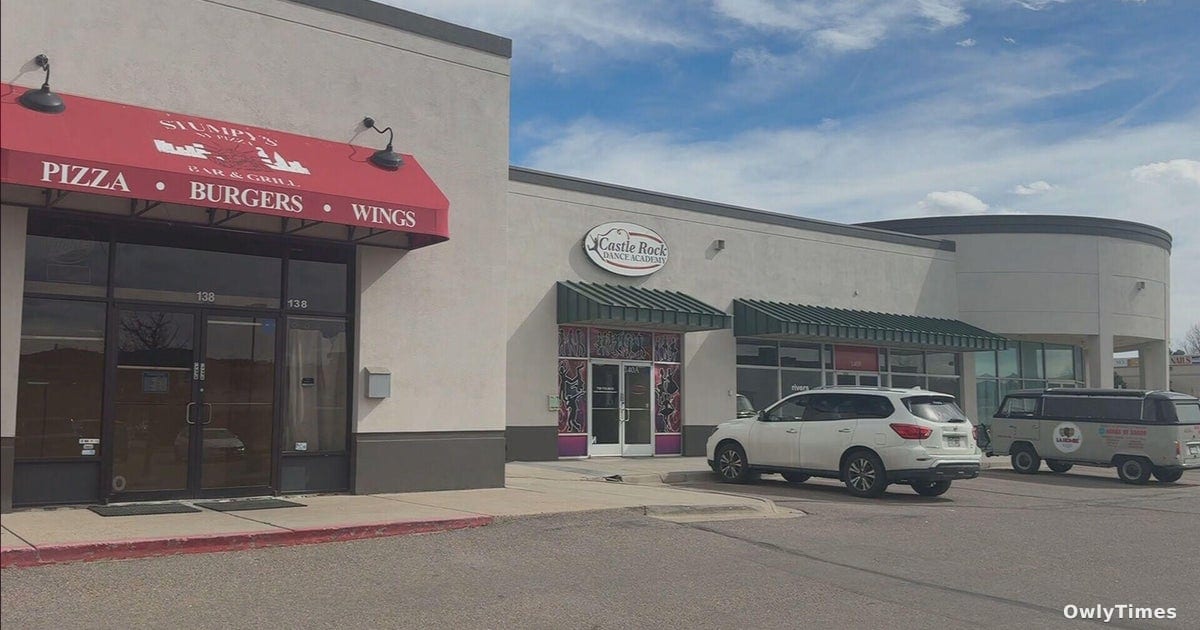
The deal, currently 70% funded through fundraising efforts, centers on the acquisition of 136, 138, and 140 S Wilcox Street from two separate owners. Drew Land, lead pastor of Rivers Church, frames the purchase as a “miracle,” a culmination of a long-held dream for a congregation of nearly 200 people currently meeting at Castle Rock Middle School. However, the “miracle” comes at a direct cost to two businesses: CrossFit Loop and, more critically, Stumpy’s Pizza, a Castle Rock institution for 26 years, with 16 years rooted at the Wilcox location. The owner of 136 and 138 S Wilcox is simultaneously leveraging the sale to fund an affordable housing development in Vail Valley, a move that highlights a broader trend of land value prioritization – shifting from local commerce to either spiritual or higher-yield residential projects.
The narrative of a church seeking a home obscures the financial realities for businesses like Stumpy’s. While Gretchen Norton, a longtime manager at Stumpy’s, acknowledges the community support – with 70 members planning to attend the city council meeting – the core issue is relocation cost. Norton explicitly states that moving is “not possible,” citing the necessity of 35-40 parking spaces and the contribution of sales tax revenue to the city. This isn’t simply sentimentality; it’s a calculation of viability. The average commercial lease rate in Castle Rock currently hovers around $22 per square foot annually, according to data from Douglas County Economic Development. Replicating Stumpy’s existing footprint – estimated at 2,500 square feet – would require an annual lease payment of $55,000, a figure that doesn’t account for build-out costs, increased utilities, or potential loss of foot traffic. The church’s offer to “help” with relocation rings hollow when weighed against these concrete financial constraints.
This article draws on reporting from CBS News.
The situation is further complicated by the motivations of the seller of 136 and 138 S Wilcox. His decision to divest and invest in affordable housing, while laudable, demonstrates a clear prioritization of return on investment. Affordable housing projects, particularly in resort communities like Vail, often benefit from tax credits and government subsidies, offering a more stable and potentially lucrative financial outcome than relying on the continued success of small businesses. This highlights a systemic issue: the increasing financial pressure on local entrepreneurs to compete with larger-scale developments and organizations with deeper pockets. The fact that CrossFit Loop chose not to renew their lease suggests they may have already anticipated this shift.
Land’s assurances that Rivers Church intends to be a “good landlord” and work with remaining tenants in 140 S Wilcox – including Castle Rock Dance Academy and a propane supplier – offer a partial reprieve. However, the planned conversion of the Stumpy’s and CrossFit Loop spaces into a church sanctuary fundamentally alters the character of the block. The projected timeline of a 2027 completion date, contingent on further fundraising and tenant transitions, introduces a period of uncertainty for the entire area. The Design Review Board’s upcoming public hearing will be a critical juncture, forcing a public reckoning with the trade-offs between community needs and private development.
What this means for your wallet: The Rivers Church deal isn’t an isolated incident. It’s a microcosm of a national trend – rising commercial real estate costs squeezing out local businesses. Consumers in Castle Rock should anticipate potential closures of beloved establishments like Stumpy’s, and a shift towards a more homogenized commercial landscape. The key question now is whether the Castle Rock Town Council will prioritize preserving the town’s unique character and supporting its small businesses, or allow market forces and the financial incentives of larger organizations to dictate the future of its downtown core. Watch closely for the outcome of the Design Review Board hearing and, more importantly, the council’s response to the community’s concerns – it will set a precedent for future development decisions and the long-term economic health of Castle Rock.