
The roar of the crowd at the Super Bowl isn’t just about touchdowns anymore. It’s about data streams, brand activations, and the increasingly complex machinery of sports marketing. That machinery just underwent a significant shift, signaled by the sale of WME Group’s sports marketing division, 160over90, to French advertising giant Publicis Groupe for a reported $500 million – a figure that dwarfs the average agency acquisition in the sector, which typically falls closer to $100-200 million, according to industry reports from IEG. The deal, announced Thursday, isn’t simply a financial transaction; it’s a bellwether for how the entertainment and sports industries are recalibrating in the age of streaming, AI, and a relentless demand for measurable ROI.
The Unbundling of Endeavor’s Empire
This isn’t an isolated event. For WME Group – formerly Endeavor – it’s the latest piece in a strategic dismantling. Over the past year, the company has offloaded IMG, On Location, and Professional Bull Riders to TKO Group Holdings, and recently cut 30 employees as part of a broader streamlining effort. The move to go private in 2025 with Silver Lake seems less about escaping public scrutiny and more about creating the financial flexibility to aggressively reshape its core business. Mark Shapiro, WME Group’s president, frames the 160over90 sale as a positive, stating the partnership with Publicis will “create an unmatched offering for brands.” But the pattern is clear: WME is shedding assets that don’t directly align with its talent representation business, even if those assets – like 160over90, responsible for activations at the Olympics and the World Cup – are highly profitable. This suggests a fundamental shift in strategy, prioritizing direct artist relationships over the broader ecosystem of sports and entertainment.
Drawn from the Los Angeles Times.
Beyond the Headlines: The Data Play
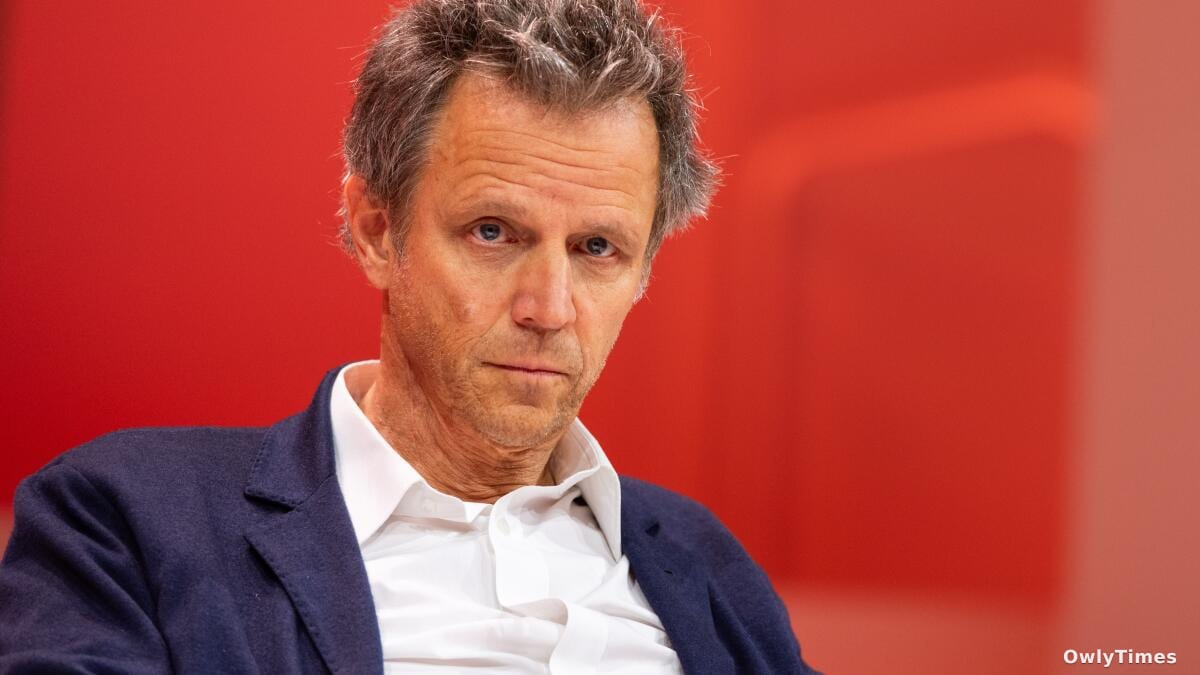
What makes this acquisition particularly noteworthy is Publicis Groupe’s stated intention. CEO Arthur Sadoun didn’t tout creative synergy or expanded reach; he declared sport “one of the most high-value channels for clients, delivering unparalleled cultural relevance, live engagement, and measurable impact” – and crucially, a prime arena for AI application. Publicis isn’t just buying a marketing agency; it’s acquiring 670-plus employees and a portfolio of high-profile clients to fuel its “end-to-end ecosystem” driven by data. The company plans to integrate 160over90 with its existing Publicis Sports Intelligence platform, promising clients optimized investment and precise measurement. This isn’t about crafting compelling narratives anymore; it’s about quantifying the impact of every sponsorship, every activation, every fleeting moment of brand visibility. The emphasis on data optimization reflects a broader trend across the advertising industry, where marketers are under increasing pressure to demonstrate tangible results, especially as traditional advertising models face disruption from ad-blocking technology and shifting consumer behavior.
The French Are Coming: A New Power Dynamic
The entrance of a major French player into the US sports marketing landscape shouldn’t be underestimated. While American agencies have long dominated the field, Publicis’ aggressive acquisitions – including Adopt and Bespoke last year – signal a deliberate attempt to challenge that dominance. This isn’t simply about market share; it’s about a different approach to sports marketing, one rooted in European advertising traditions that prioritize long-term brand building and cultural relevance. Publicis’ focus on “cultural relevance” feels like a direct response to the growing criticism of performative activism and “sports washing,” where brands align themselves with controversial events or athletes to improve their image. The company seems to be betting that authenticity and genuine cultural connection will be more valuable than superficial sponsorships in the long run.
What This Means for the Future of Fan Engagement
The sale of 160over90 to Publicis isn’t just a business story; it’s a reflection of a fundamental shift in how we experience sports. The lines between entertainment, advertising, and data analysis are blurring, and the fan is increasingly viewed as a data point to be analyzed and monetized. The strategic partnership between WME and Publicis – leveraging WME’s talent roster for future media opportunities – hints at a future where athletes and celebrities are even more deeply integrated into brand marketing campaigns, blurring the lines between on-field performance and off-field endorsements. The question now is: will this data-driven, hyper-targeted approach to sports marketing enhance the fan experience, or will it further alienate audiences who are already wary of corporate influence? Will fans embrace personalized activations, or will they crave a return to the simpler, more authentic days of sports fandom? That’s the game everyone in the industry will be watching closely.