
The Calculated Calm: Clinton’s Testimony and the Shifting Sands of Political Accountability
The immediate fallout from Bill Clinton’s sworn deposition regarding the Jeffrey Epstein case isn’t about what he said – the reiteration of “I saw nothing and I did nothing wrong” was entirely expected – but about the strategic timing and the carefully constructed narrative of limited exposure it allows the Clinton camp to maintain. This isn’t a legal defense being waged in a courtroom; it’s a political operation designed to contain damage and preempt further scrutiny, leveraging a moment of heightened national attention diverted by escalating geopolitical tensions. The release of a video statement, rather than a press conference subject to aggressive questioning, underscores this calculated approach.
The core calculus at play is risk mitigation. The House Oversight Committee’s investigation, while ostensibly focused on uncovering potential complicity, carries the inherent risk of unearthing damaging information regardless of direct involvement. Clinton’s consistent denial, coupled with the assertion that Hillary Clinton had no involvement, functions as a preemptive shield against accusations that might otherwise gain traction. This strategy isn’t novel. Throughout American political history, figures facing potentially damaging investigations have employed similar tactics – controlled messaging, limited access, and a steadfast denial of wrongdoing. Consider Richard Nixon’s initial responses to the Watergate scandal; the pattern is remarkably consistent: delay, deflect, and deny until the weight of evidence becomes insurmountable.
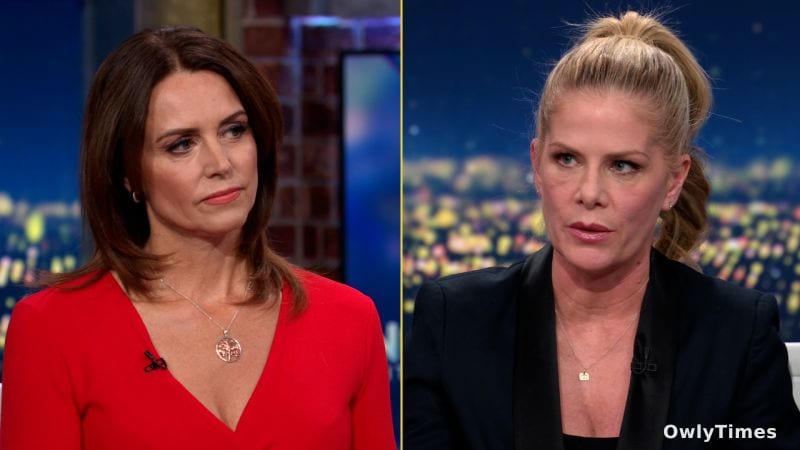
This piece references the CNN report.
Who benefits and who loses in this scenario? The immediate beneficiaries are the Clintons, who successfully navigate a potentially explosive situation with minimal public abrasion. The Democratic Party, facing a challenging political landscape in 2026, also benefits from avoiding a protracted scandal involving one of its most recognizable figures. The losers are the victims of Jeffrey Epstein, whose pursuit of justice risks being overshadowed by political maneuvering, and the public, which is left to assess the credibility of statements made under oath without the benefit of robust, unfiltered questioning. The timing is particularly advantageous for the Clintons given the current news cycle dominated by the escalating conflict in the Middle East – a classic example of leveraging external events to minimize internal scrutiny.
The parallel to the Iran-Contra affair is instructive. In that instance, the Reagan administration faced accusations of illegally selling arms to Iran in exchange for the release of American hostages. The initial response was a blanket denial, followed by a gradual release of information designed to control the narrative. Like the current situation, the scandal unfolded against a backdrop of international crisis, allowing the administration to frame the issue as a matter of national security rather than legal wrongdoing. The key difference, however, is the speed of information dissemination in the modern era. The 24/7 news cycle and the proliferation of social media make it far more difficult to control the narrative, even with a carefully orchestrated strategy.
The Democrats’ call for Donald Trump to testify next is a transparent attempt to shift the focus and create a symmetrical political battle. This tactic, while predictable, serves a crucial purpose: to frame the investigation as a partisan witch hunt rather than a legitimate inquiry. Trump’s niece, as reported by CNN, has already cast doubt on his version of events, adding another layer of complexity to the situation. The implication is clear: if the Clintons are being subjected to scrutiny, so too should Trump, thereby neutralizing the political impact of the investigation. This is a textbook example of “whataboutism” – a rhetorical device used to deflect criticism by pointing to the perceived hypocrisy of the accuser.
Looking ahead, the critical political chess move to watch isn’t further testimony from the Clintons, but the response from the House Oversight Committee. Will they pursue the investigation with vigor, demanding access to additional documents and witnesses? Or will they accept the current narrative and move on to other matters? The answer will reveal whether this was a genuine attempt to uncover the truth or merely a politically motivated exercise in damage control. Specifically, the committee’s next steps regarding flight logs from Epstein’s private jet – and whether they will subpoena individuals who traveled on it – will be the clearest indicator of their intent.





