
$500 Million Blind Spot: The Accountant Who Enabled Epstein’s Network
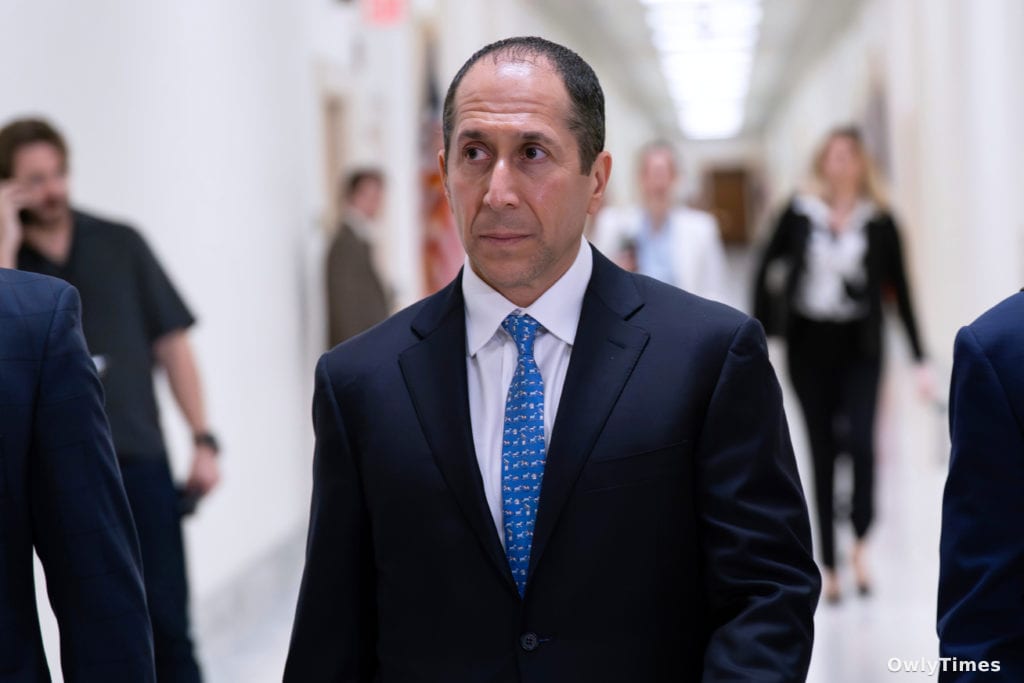
A figure of $500 million—the estimated sum Jeffrey Epstein amassed over two decades while cultivating relationships with global elites—is not merely a measure of his wealth, but a quantifiable indicator of systemic financial opacity. Wednesday’s deposition of Richard Kahn, Epstein’s former accountant and current estate executor, before the House Oversight Committee isn’t about uncovering past crimes, but about tracing the flow of funds that allowed those crimes to persist. The focus isn’t whether Kahn knew about the abuse, but what he enabled through his financial management, and what that reveals about the willingness of the financial system to overlook red flags in the pursuit of high-net-worth clients. This isn’t a retrospective investigation; it’s a stress test of financial due diligence, and the early results are deeply concerning.
Based on the original PBS report.
The Illusion of Legitimacy: Tax Advisor or Something More?
Representative James Comer, the Republican chair of the House Oversight Committee, stated that Richard Kahn believed Epstein earned his fortune as a “tax advisor and financial planner.” This narrative, if accepted at face value, is demonstrably insufficient. While Epstein undoubtedly utilized complex financial strategies, the scale of his wealth—growing to an estimated $500 million—suggests income sources far exceeding those of a typical financial professional. In 2025, the average annual income for a tax advisor was $81,620 according to the Bureau of Labor Statistics. To accumulate half a billion dollars over twenty years at that rate would require an implausibly high investment return, or, more likely, undisclosed and potentially illicit revenue streams. Kahn’s professed understanding of Epstein’s finances appears, at best, incomplete, and at worst, deliberately constructed to shield the true origins of the wealth.
Payments to Victims: A Double-Edged Sword for Kahn
The most damning assertion from Representative James Walkinshaw, D-Va., is that Kahn “authorized payments, including payments to victims and survivors.” While seemingly a gesture of restitution, these payments simultaneously demonstrate Kahn’s intimate knowledge of Epstein’s crimes and his active participation in managing the fallout. The fact that these payments were authorized—meaning they went through Kahn’s oversight—suggests a deliberate effort to control the narrative and potentially silence victims through financial settlements. The scale of these payments remains undisclosed, but even a modest estimate—say, $1 million total—represents a significant financial burden and a clear awareness of legal liabilities. This isn’t simply accounting; it’s damage control funded by ill-gotten gains. Kahn’s claim of not recalling details of specific transactions is a convenient defense, but it strains credibility given his role as estate executor, a position demanding meticulous record-keeping.
Beyond Epstein: The Network of Affluence
The House Oversight Committee’s interest extends beyond Epstein’s personal finances to his network of powerful associates. The committee is attempting to understand how Epstein’s wealth facilitated access to, and potentially influence over, prominent figures. This is where the “follow the money” framework becomes critical. Epstein’s financial transactions weren’t isolated events; they were points of connection, opportunities for quid pro quo, and potential leverage. The committee’s challenge is to untangle these connections, identifying individuals who benefited from Epstein’s largesse and assessing whether those benefits compromised their judgment or ethical standards. The lack of transparency surrounding Epstein’s financial dealings created a fertile ground for corruption, and the full extent of that corruption remains to be seen.
What this means for your wallet
The Epstein case isn’t just about one man’s crimes; it’s a warning about the vulnerabilities within the financial system. The ease with which Epstein amassed and laundered his fortune highlights the need for stricter Know Your Customer (KYC) regulations and enhanced due diligence for high-net-worth individuals. While you may not be a billionaire, the cost of financial crime is ultimately borne by the public through increased regulatory burdens and potential economic instability. The question investors and consumers should be asking now is: what systemic changes will be implemented to prevent similar abuses in the future, and will those changes be robust enough to withstand the influence of powerful interests? Specifically, watch for legislative action regarding beneficial ownership transparency – will Congress mandate that shell companies disclose their true owners, or will loopholes remain that allow illicit funds to flow unchecked?