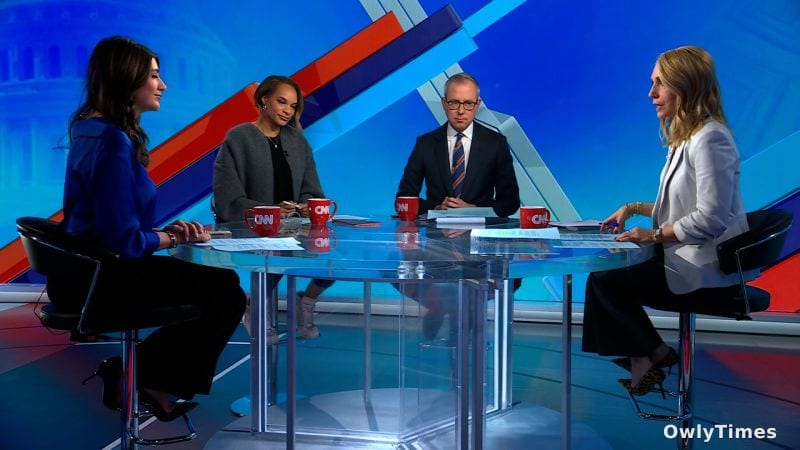

The strategic calculation behind Bill Clinton’s recent deposition before the House Oversight Committee isn’t about the Epstein files themselves – it’s about establishing a precedent for compelling testimony from former presidents, and a clear signaling of intent regarding Donald Trump. While the immediate focus is on fulfilling campaign promises to investigate perceived wrongdoing, the move carries a calculated risk: normalizing the practice of subpoenaing ex-presidents opens a door that could swing both ways depending on who controls Congress in the future. The current proceedings aren’t simply about uncovering facts related to Jeffrey Epstein; they are a demonstration of power, a flexing of congressional authority with potentially far-reaching consequences for the office of the presidency itself.
The immediate beneficiaries of this tactic are House Democrats, particularly those who campaigned on accountability and oversight. The deposition allows them to claim they are holding powerful figures responsible, fulfilling a key promise to their base. However, the long-term implications are more complex. As CNN’s Jeff Zeleny pointed out, the act of calling a former president before a committee inevitably raises the question of reciprocity. Should Republicans regain control of the House, the precedent set by this investigation could be used to compel testimony from future Democratic presidents – or even revisit past presidencies. This is a calculated gamble, predicated on the belief that the political benefits of appearing tough on accountability outweigh the potential risks of setting a destabilizing precedent.
See the original CNN story for the full account.
The historical parallel here is instructive. The Warren Commission’s investigation into the assassination of John F. Kennedy established a framework for congressional inquiries into sensitive national events. While the Commission itself was largely accepted at the time, subsequent scrutiny revealed limitations in its scope and objectivity. The current Epstein investigation, like the Warren Commission, is operating in a highly charged political environment, and its findings will inevitably be viewed through a partisan lens. The key difference is the explicit targeting of former presidents, a step that significantly escalates the stakes and introduces a new level of political risk. The fact that Hillary Clinton, in her post-deposition statement, directly challenged the committee to subpoena Donald Trump underscores the overtly political nature of the proceedings.
The question of who loses in this scenario is multifaceted. The presidency itself arguably loses some of its inherent dignity and insulation from partisan politics. The normalization of subpoenaing ex-presidents erodes the unwritten rules that have historically protected the office from becoming a routine target of congressional investigations. Donald Trump, while currently positioned as the primary target, could also benefit from the backlash if the investigation is perceived as overly partisan or politically motivated. The narrative of a “witch hunt” – a tactic he has successfully employed in the past – could gain traction, potentially galvanizing his supporters and undermining the credibility of the investigation. Even the Oversight Committee itself risks appearing as a tool for partisan retribution, particularly if the investigation fails to yield concrete evidence of wrongdoing. CNN’s Alayna Treene’s observation that Democrats might attempt to subpoena Melania Trump if they retain the gavel further illustrates the potential for escalation and the blurring of lines between legitimate oversight and political vendetta.
The political chess move to watch next isn’t whether the committee will release a comprehensive report on its findings – it’s whether they will actually issue a subpoena for Donald Trump’s testimony. A subpoena would be a direct challenge to Trump, forcing him to either comply and risk self-incrimination, or defy the committee and face potential legal consequences. The timing of that decision, and the political calculus behind it, will reveal the true extent of the Democrats’ willingness to push the boundaries of presidential accountability – and the potential ramifications for the future of congressional oversight. Will they prioritize a potentially damaging confrontation with a former president, or will they settle for a less provocative outcome that allows them to claim a symbolic victory? The answer will define the new rules of engagement in American politics.





