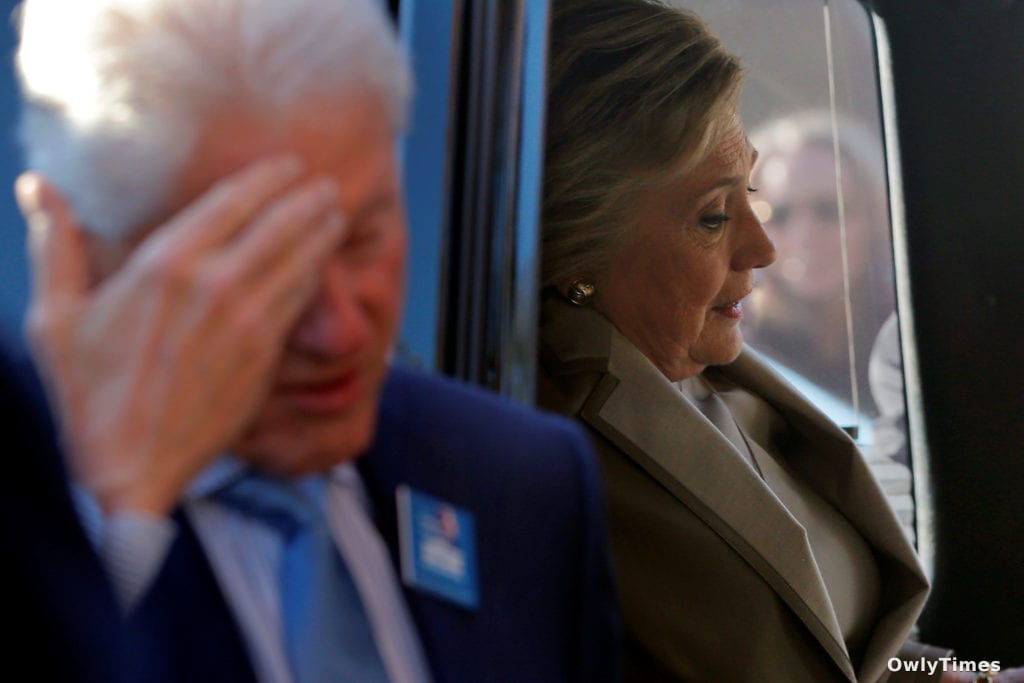

The strategic calculation is clear: for House Republicans, compelling the testimony of Bill and Hillary Clinton regarding Jeffrey Epstein isn’t about uncovering new evidence of direct wrongdoing, but about demonstrating power – and exposing vulnerabilities within the Democratic party. The move, culminating in scheduled testimony this week, isn’t a novel pursuit of justice, but a calculated escalation of a decades-long effort to discredit a political dynasty. The fact that the Clintons initially resisted, and ultimately conceded only under threat of contempt, underscores the high-stakes game being played. Who benefits and who loses isn’t simply about the Clintons’ reputation, but about the future of congressional oversight and the precedent set for compelling testimony from former presidents.
The current situation echoes a familiar pattern in the Clintons’ political history. During the 1992 campaign, Bill Clinton shrewdly presented himself and Hillary Clinton as a “two for the price of one” package, anticipating a partnership that would redefine the role of the First Lady. This dynamic, while initially a strength, has also made them a perpetual target. The couple, forged in the crucible of the Vietnam War and Watergate eras, have consistently navigated – and often deflected – accusations of impropriety. As David Maraniss, author of Clinton biographies, observes, this moment feels like “a sad but fitting coda to extraordinary political lives,” a final reckoning with a past that refuses to stay buried. The release of Epstein-related documents, including photos of Bill Clinton on Epstein’s plane and interacting with Ghislaine Maxwell, provided the necessary fuel for the Republican-led House Oversight Committee, chaired by James Comer, to issue subpoenas.
The timing of this renewed scrutiny is particularly noteworthy. While there’s no evidence linking the Clintons to Epstein’s crimes, the optics are damaging. The photos, even with redacted faces, reinforce a narrative of questionable associations and a willingness to accept favors from controversial figures. This isn’t a new accusation; the 1992 campaign was shadowed by allegations of an affair with Gennifer Flowers, and the presidency itself was nearly derailed by the Monica Lewinsky scandal. The parallel to historical precedents is stark. Just as the Whitewater controversy and impeachment proceedings consumed the Clinton presidency, the Epstein connection threatens to dominate the narrative once again. However, unlike the independent counsel investigations of the 1990s, this inquiry is entirely politically driven, initiated by a Republican-controlled House seeking to damage the Democratic brand.
The Clinton response, predictably, is a masterclass in political defense. Hillary Clinton’s call for a public hearing, and the aggressive counter-messaging from Bill Clinton’s team – accusing James Comer of lying and highlighting the hypocrisy of Republican committee members who defied subpoenas during the January 6th investigation – mirrors the “war room” strategy employed during the 1992 campaign. This playbook, honed over decades, involves aggressively discrediting accusers, shifting the focus to more favorable themes, and leveraging Bill Clinton’s enduring connection with the public. Even during his impeachment trial, Clinton maintained remarkably high approval ratings, demonstrating his ability to connect with voters despite serious allegations. The four-page letter released by the Clintons, directly attacking the motives and methods of the Oversight Committee, is a clear signal that they intend to fight back with the same ferocity that defined their earlier battles.
Reporting from PBS informs this analysis.
However, the political landscape has shifted. While the Clintons once enjoyed near-unanimous support from congressional Democrats, that unity has eroded with the rise of a new generation of lawmakers. The fact that nine Democrats joined Republicans in advancing the contempt resolution demonstrates a growing willingness to challenge the Clinton legacy. Perhaps surprisingly, even Donald Trump has expressed a degree of sympathy for the Clintons, potentially wary of setting a precedent that could be used against him in future investigations. This unexpected reluctance from the former president highlights the complex dynamics at play. The political chess move to watch next isn’t whether the Clintons will reveal damaging information during their testimony – the damage, in terms of public perception, has already been done. It’s whether the Democrats will coalesce around a unified defense of the Clintons, or whether this controversy will further expose the divisions within the party as they head into the 2024 election cycle. Will the emerging fractures within the Democratic party allow the Republican narrative to take hold, or will a show of solidarity shield the Clintons from further political fallout?