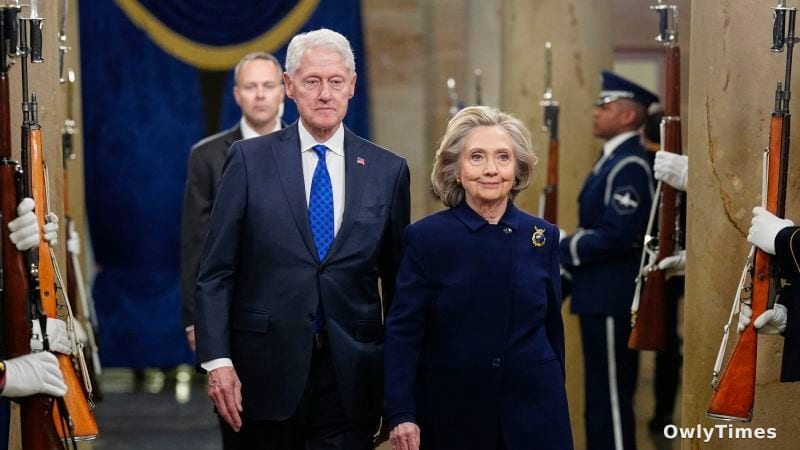

The strategic calculation behind the House Oversight Committee’s pursuit of Bill Clinton’s testimony isn’t about uncovering new facts regarding Jeffrey Epstein’s crimes – it’s about establishing a precedent with potentially devastating consequences for Donald Trump. By compelling a former president to testify on matters of personal association, rather than policy, the committee is laying the groundwork for a reciprocal action should Democrats regain control of the House. This isn’t a genuine investigation into Epstein’s network; it’s a calculated risk designed to normalize the subpoenaing of ex-presidents, a tactic Trump previously evaded regarding the January 6th investigation.
The immediate “who benefits and who loses” equation is straightforward. Republicans gain a high-profile opportunity to attack a long-standing political adversary, hoping to reignite familiar scandals and distract from ongoing scrutiny of Trump’s own connections to Epstein. The Clintons, despite maintaining their innocence, lose control of the narrative and are forced to publicly address a deeply uncomfortable chapter. However, the long-term beneficiary could be the Democratic Party, should they weaponize this precedent against Trump after the 2024 elections. Hillary Clinton’s pointed accusations of a “cover-up” to protect Trump, delivered during her own testimony Thursday, underscore this strategic framing. She explicitly challenged the committee to turn its attention to Trump, a move designed to highlight the perceived double standard and preemptively discredit any future investigations targeting her husband.
Original reporting: CNN.
This situation echoes historical precedents, though with a crucial difference. While former presidents like John Tyler and Theodore Roosevelt have testified before Congress, their appearances centered on policy disputes and official conduct. Tyler was subpoenaed regarding misuse of public funds, and Roosevelt addressed antitrust concerns – matters directly related to their presidential duties. The current situation, focused on personal associations with a convicted sex offender, is unprecedented in its nature. This distinction is critical because it expands the scope of what constitutes a legitimate reason to compel presidential testimony, a boundary Trump successfully defended during the January 6th probe. His refusal to comply, and subsequent legal challenges, established a high bar for congressional subpoenas targeting a former president.
The testimony of Commerce Secretary Howard Lutnick, initially presented as evidence against the Clintons, further illustrates the selective application of scrutiny. Files released by the Department of Justice undercut Lutnick’s initial descriptions of his interactions with Epstein, yet he hasn’t received a subpoena. This disparity fuels accusations of partisan bias and raises the question: if association with Epstein warrants testimony, why isn’t Trump, repeatedly mentioned in the same Justice Department files, also under oath? The committee’s chairman, James Comer, denies partisan intent, pointing to the testimony of former officials like Alex Acosta and Bill Barr, both appointed by Trump. However, the focus on the Clintons, coupled with the lack of similar pressure on other figures mentioned in the Epstein files, undermines this claim.
The potential for a reciprocal action against Trump is the most significant political chess move at play. Hillary Clinton’s testimony, where she repeatedly deferred questions about her husband’s relationship with Epstein, effectively created a template for how a spouse might respond to inquiries about a former president’s associations. This raises the specter of Melania Trump being compelled to testify about her husband’s connections to Epstein, a scenario that, while legally complex, is not explicitly barred. The principle being established – that a former president can be compelled to testify on matters not directly related to the separation of powers – is the key takeaway.
The question now isn’t whether Bill Clinton’s testimony will reveal new information about Epstein’s crimes, but whether Democrats will attempt to compel Donald Trump’s testimony if they regain the House majority. Will they leverage the precedent set by the Oversight Committee, or will they deem the risk of escalating political warfare too high? The answer to that question will define the future of congressional oversight and the boundaries of presidential accountability.





