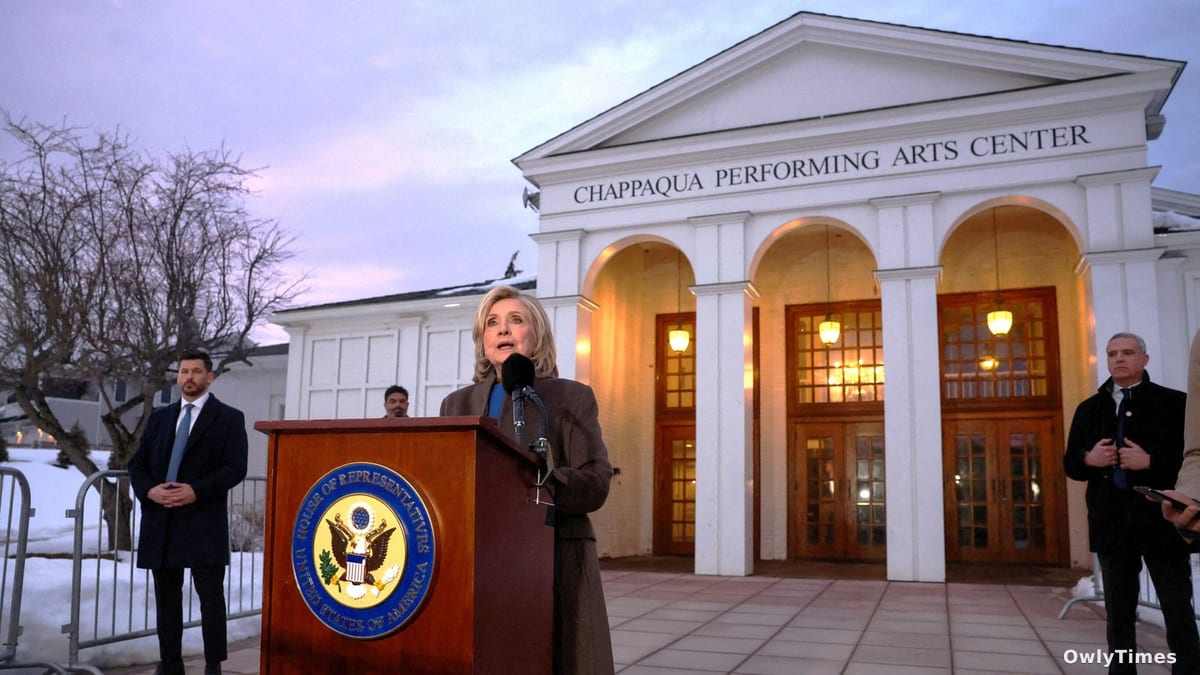

The Calculated Discomfort of Clinton’s Testimony
The spectacle of Hillary Clinton’s testimony before the House Oversight Committee wasn’t about uncovering new facts; it was a meticulously staged demonstration of power, aimed squarely at fracturing the Democratic base ahead of the 2024 election. While framed as an investigation into the handling of classified information and connections to Jeffrey Epstein, the committee’s true objective was to force Clinton into a prolonged, public discomfort – a performance designed to energize the Republican right and sow doubt among moderate Democrats. The sheer length of the hearing, the repetitive questioning, and the eventual descent into inquiries about UFOs weren’t glitches, but deliberate tactics to portray the proceedings as both serious and absurd, simultaneously. This isn’t simply about revisiting old scandals; it’s about weaponizing them.
Original reporting: news.sky.com.
A Familiar Pattern of Political Theatre
The committee’s approach echoes a long history of congressional investigations used for political gain. The Army-McCarthy hearings of the 1950s, ostensibly about communist infiltration, were fundamentally about Joseph McCarthy building his own power base through public accusations and manufactured crises. Similarly, the numerous investigations into Bill Clinton during the 1990s, from Whitewater to Monica Lewinsky, weren’t solely about legal wrongdoing, but about delegitimizing his presidency and the Democratic party. The current committee, and particularly figures like Lauren Boebert, are consciously employing this playbook. Boebert’s sharing of a photograph of Clinton on ‘X’ (formerly Twitter) – a breach of decorum that prompted Clinton to briefly leave the room – wasn’t a spontaneous act, but a calculated provocation intended to disrupt the proceedings and generate viral outrage among her supporters. The incident, and the subsequent break in proceedings, served to amplify the narrative of a hostile and unfair environment.
Who Benefits and Who Loses in the Fallout?
The immediate beneficiaries are the hardline factions within the Republican party. The hearing provided a rallying point, allowing them to showcase their commitment to holding Democrats accountable, regardless of the actual evidence. Donald Trump, despite not being directly involved, also gains from the distraction and the reinforcement of his narrative of a corrupt “establishment.” The losers are more diffuse. While Clinton herself appears largely unscathed – her dismissive post-testimony remarks (“repetitive, unproductive and unusual”) effectively framing the hearing as a farce – the Democratic party suffers from the prolonged negative attention. The focus on Clinton, a figure who has been out of power for years, diverts attention from current issues and provides ammunition for Republican attacks. More subtly, the spectacle risks further alienating moderate voters who are already wary of political polarization. The fact that the hearing garnered significant media coverage – despite its lack of substantive revelations – demonstrates its success in dominating the news cycle.
The Epstein Connection: A Strategic Red Herring?
The repeated questioning about Jeffrey Epstein and Clinton’s knowledge of his crimes is particularly revealing. While Clinton’s insistence that she did not know Epstein is plausible, the relentless focus on the issue serves a specific purpose: to associate her with a figure universally reviled and to raise questions about the ethics of the Democratic elite. This tactic isn’t new. Accusations of hypocrisy and moral failings have long been a staple of political attacks. However, the Epstein connection is particularly potent, given the widespread outrage over his crimes and the involvement of other prominent figures. The committee’s insistence on revisiting this ground, even after Clinton repeatedly denied any knowledge, suggests that the goal wasn’t to uncover new information, but to create a cloud of suspicion. The claim that her husband, Bill Clinton, was also unaware of Epstein’s crimes is a more delicate assertion, requiring a degree of plausible deniability, but it serves to broaden the scope of the attack.
The Next Chess Move: Targeting the Biden Administration
The strategic calculus now shifts to leveraging the momentum generated by the Clinton hearing to target the Biden administration. Expect to see increased scrutiny of the President’s son, Hunter Biden, and his business dealings, framed as evidence of the same alleged corruption that was on display during Clinton’s testimony. The committee will likely attempt to draw parallels between the two cases, portraying them as part of a broader pattern of Democratic malfeasance. The key move to watch is whether the committee will attempt to subpoena individuals close to President Biden, potentially escalating the conflict and triggering a constitutional showdown. The question isn’t whether the committee has legitimate grounds for investigation, but whether they have the political will to push the boundaries and risk a full-blown crisis.





