
$3 Million Invested, But Will It Move the Needle on Economic Mobility?
A staggering 84% of U.S. high school students lack even a basic understanding of economic concepts, according to a 2023 study by the Council for Economic Education. This gap is prompting a nationwide scramble to bolster financial literacy education, and Connecticut is joining the fray – with a significant assist from the private sector. Stamford High School’s recent overhaul of its personal finance lab, fueled by a $150,000 grant from Synchrony, isn’t simply a feel-good story about corporate philanthropy; it’s a calculated investment in a future workforce, and a test case for whether mandated financial education can truly alter economic trajectories. Follow the money, and a clear picture emerges: financial institutions recognize a direct link between consumer financial literacy and their own bottom line, while the state sees a pathway to broader economic stability.
Original reporting: ctmirror.org.
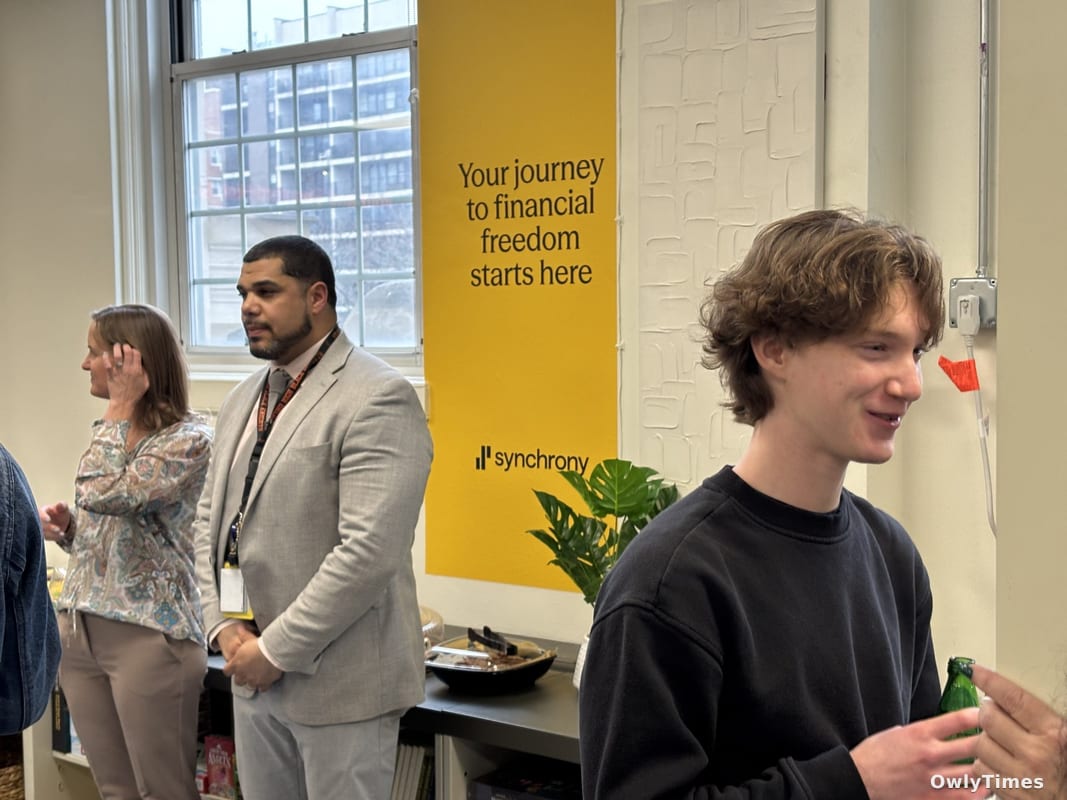
The grant from Synchrony, part of a larger $3 million “Empowering Financial Futures” initiative rolled out over two years, directly funded the installation of a live stock ticker, TV monitors displaying financial news, and a suite of educational materials. This isn’t about teaching students to day trade; it’s about equipping them with the fundamental skills – budgeting, loan management, investment basics – that were historically absent from the standard curriculum. Connecticut’s 2023 mandate requiring a half-credit personal finance course for all high school graduates, championed by Governor Ned Lamont and State Treasurer Erick Russell, created the demand, and companies like Synchrony are stepping in to help meet it. The timing is crucial. While 39 states now require some form of financial literacy education, the quality and implementation vary wildly, creating a fragmented landscape.
The state’s approach, utilizing curriculum developed by Next Gen Personal Finance, aims for standardization. However, the success of this mandate hinges on more than just a standardized syllabus. Connecticut Financial Scholars, a non-profit organization partnering with Stamford High, emphasizes a four-pronged strategy: curriculum, teacher support, parent engagement, and community involvement. This holistic approach is critical, as simply adding a course to the schedule doesn’t guarantee comprehension or behavioral change. Director of Program Support Elisa Oliver notes the excitement of seeing students “break down a loan amortization calculator” – a concrete skill demonstrating a shift from passive learning to active application. But the real test will be whether these skills translate into responsible financial habits post-graduation.
The investment by Synchrony and the state isn’t purely altruistic. Sue Bishop, Synchrony’s chief corporate affairs officer, explicitly stated the company’s self-interest: “We never want to loan money to someone who can’t pay us back.” This underscores a fundamental tension: while financial literacy benefits individuals, it also benefits lenders by reducing risk. The state’s broader efforts, including programs like baby bonds and the Connecticut Higher Education Trust, further illustrate this interconnectedness. Treasurer Russell frames financial literacy as a key component of wealth-building initiatives, recognizing that access to opportunities is maximized when individuals possess the knowledge to navigate the financial system effectively. This is particularly relevant in Stamford, one of the state’s “alliance districts” – areas identified as needing additional resources.
Stamford High’s proactive approach, boasting 12 business teachers with real-world experience and extracurriculars like student-managed stock portfolios, positions it as a model for other districts. Senior Nick Sutin’s success in landing a job at a local finance company, attributing his preparedness to the school’s finance classes, is anecdotal but indicative of the potential impact. However, the long-term effects remain uncertain. Will this investment truly close the economic mobility gap, or will it simply provide a marginal advantage to students already on a path to success? The state’s commitment to equity, as emphasized by Betsy McNeil of Connecticut Financial Scholars, is commendable, but requires sustained investment and targeted support for underserved communities.
What this means for your wallet: The push for financial literacy isn’t just about preparing the next generation; it’s about addressing a systemic vulnerability in the current system. As more young adults enter the workforce with a stronger understanding of personal finance, demand for responsible financial products and services will likely increase. But the crucial question remains: will this increased demand translate into more equitable access to those products, or will it simply reinforce existing inequalities? Investors should watch for trends in fintech companies focused on financial education and inclusive financial services, and consumers should demand greater transparency and accountability from financial institutions.