
$8 per liter: The cascading economic impact of Cuba’s fuel crisis
A single data point encapsulates the severity of the unfolding crisis in Cuba: $8 per liter. That’s the current black market price for gasoline, a 400% increase from just weeks ago, and a stark indicator of a systemic breakdown triggered by fuel shortages and exacerbated by geopolitical pressure. While the US Department of the Treasury’s recent allowance for Venezuelan oil resale offers a potential lifeline, the question of affordability at market rates remains unanswered, and the damage already inflicted is substantial. This isn’t simply a fuel shortage; it’s a cascading economic shockwave rippling through every sector of Cuban society, and a clear demonstration of how quickly external pressures can dismantle even resilient local economies.
The immediate trigger was the announcement on February 8th that Cuba’s jet fuel supplies had run dry, prompting flight cancellations from key tourism partners like Canada and Russia – nations representing Cuba’s first and third largest sources of visitors, respectively. However, to view this as solely a logistical issue is to miss the underlying currents. Eight days prior, President Donald Trump signed an executive order threatening tariffs on countries supplying oil to Cuba, a move that directly preceded the devastating email received by twins Sandra and Sabrina Gonzalez on January 21st. That email, informing them of the deactivation of their Airbnb listings due to “U.S. regulatory requirements,” wasn’t an isolated incident. It was a symptom of a deliberate constriction of economic opportunity. Follow the money: the removal of Airbnb access, impacting hundreds of Cuban cuentapropistas (self-employed individuals), directly stemmed from US policy aimed at limiting Cuba’s access to foreign revenue.
Original reporting: Al Jazeera.
The Gonzalez sisters’ experience is particularly telling. Their family had successfully navigated Trump’s previous tourism sanctions and the COVID-19 pandemic, building a viable business since 2016 when relations with the US began to normalize under President Barack Obama. But the latest restrictions disproportionately affected those with US bank accounts linked to their listings, effectively cutting off a crucial revenue stream. Their attempts to circumvent Airbnb’s rules to contact guests directly proved futile. This highlights a critical tension: the Cuban government’s efforts to encourage private enterprise are constantly undermined by external factors and the limitations imposed by US financial regulations. The sisters are now facing the prospect of jobs paying less than half their previous income, a reality echoed across the island.
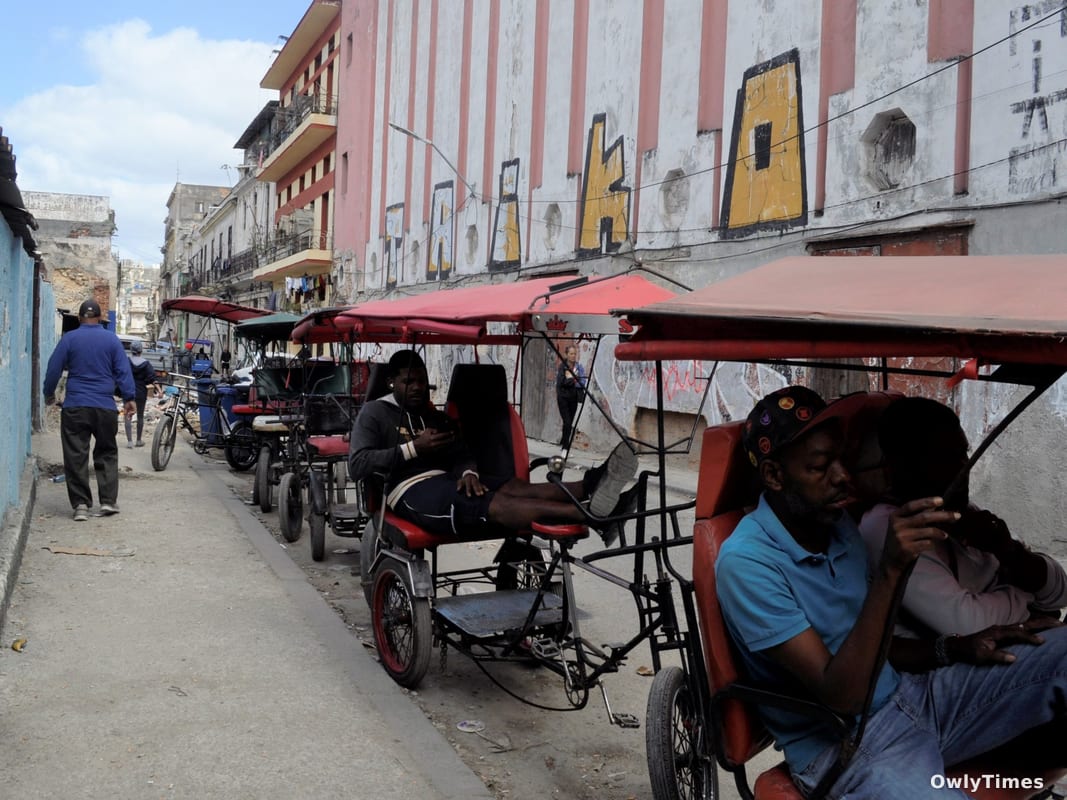
The fuel crisis has extended far beyond tourism. Havana’s streets, once dominated by iconic 1950s American cars, are now largely populated by struggling Chinese electric tricycles, unable to fully compensate for the lack of gasoline. The government has responded with a nationwide contingency plan, including fuel rationing – 20 liters (5.3 gallons) per vehicle for US dollar purchases, with long waits on an online booking platform – decentralizing fuel imports, and authorizing private companies to import fuel directly. However, these measures are largely reactive, addressing the symptoms rather than the cause. The broader impact is a slowdown in nearly all economic activity. State-sector employees have been shifted to remote work, the work week has been reduced to four days, and even non-essential surgeries have been suspended.
Daniel Torralbas, a Cuban economist, predicts this will be “one of the toughest years for the Cuban economy since the revolution.” He identifies businesses offering solutions to the crisis – specifically, those selling solar panels – as the only clear winners. This observation underscores a crucial point: while the overall economy contracts, opportunities emerge for those who can adapt to the new constraints. Alejandro Candelaria, a courier and taxi driver using an electric motorcycle, has seen his income rise, but acknowledges that “living under these conditions doesn’t benefit anyone.” His experience illustrates the paradoxical nature of the crisis – individual gains are offset by widespread hardship. Cuba’s GDP has already contracted by 15% over the past five years, and indicators for key social metrics like life expectancy and infant mortality are deteriorating.
The situation extends beyond economics. University students, facing deteriorating conditions in dormitories – including power outages and water shortages – have been sent home, mirroring the disruptions experienced during the COVID-19 pandemic. Rafael Mena, a journalism student, describes the current situation as a reversal of pandemic-era restrictions: “Now we can go out, but you can’t really move around because it’s too expensive.” This sentiment captures the pervasive sense of stagnation and limited opportunity. The US Treasury’s allowance of Venezuelan oil resale, while potentially helpful, is contingent on Cuba’s ability to afford market rates, a significant hurdle given the country’s economic fragility.
What this means for your wallet – even if you don’t have one in Cuba – is a reminder of the interconnectedness of global economies and the potential for geopolitical events to create ripple effects. The Cuban crisis isn’t just about fuel; it’s about the vulnerability of economies reliant on external suppliers and the impact of political pressure on everyday lives. The key question now is whether the limited relief offered by the US regarding Venezuelan oil will be enough to stabilize the situation, or if Cuba is facing a prolonged period of economic hardship and further erosion of its social safety net. Investors and consumers should watch closely for signs of increased reliance on alternative energy sources, and the potential for further social unrest as the crisis deepens.