
The escalating cost of healthcare in the United States isn’t a future threat—it’s a present reality forcing a quiet crisis onto millions. While national debates focus on insurance marketplaces and policy changes, a more immediate consequence is playing out in states like Georgia, where an estimated 1.2 million residents lack health insurance. This isn’t simply a matter of individual hardship; it’s a systemic breakdown in access to preventative care, and the resulting strain is increasingly falling on a network of charitable clinics. The story isn’t about a failing system, but about the people actively building a safety net within that system, and the limitations of that net as demand grows.
The Coverage Gap and the Rise of Free Clinics
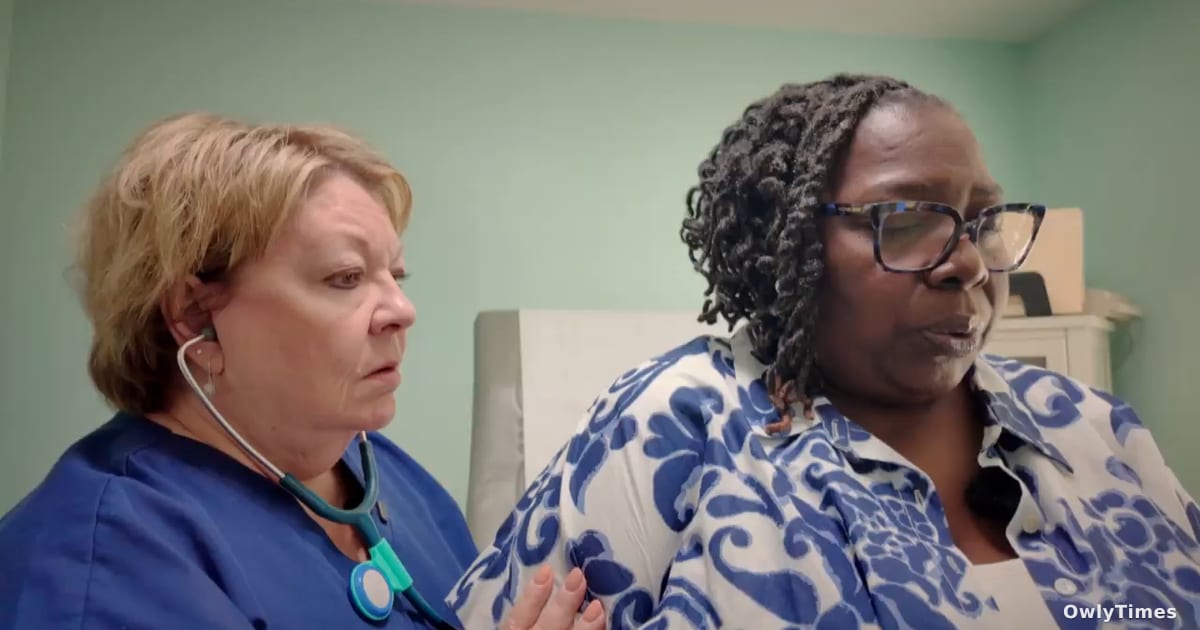
The situation facing residents like Kimberly Brown of Clayton County illustrates a critical point often lost in broader discussions of healthcare access: the “coverage gap.” As Brown discovered after a sudden and debilitating health crisis—intense pain and dangerously high blood pressure—simply wanting healthcare isn’t enough. She, like many Georgians, earns too much to qualify for Medicaid, yet cannot afford the premiums and out-of-pocket costs associated with private insurance. This gap, according to advocates, leaves a significant portion of the population vulnerable, often delaying care until a medical emergency forces their hand. The response has been a surge in the reliance on free and low-cost clinics, like the Good Shepherd Clinic in Clayton County, founded by Susan Whatley, a nurse practitioner. These clinics aren’t intended to be permanent solutions, but rather emergency responders filling a void created by systemic shortcomings.
This article draws on reporting from CBS News.
Beyond Band-Aids: The Scope of Uncompensated Care
The numbers reveal the scale of this reliance. Whatley estimates that the care provided by Good Shepherd Clinic and its sister clinic, Urban Clinic, would have cost patients approximately $7 million in 2025 if billed through traditional healthcare channels. That figure isn’t just a statistic; it represents a collective debt avoided by individuals and families who would otherwise face financial ruin alongside their health challenges. Crucially, this $7 million doesn’t account for the downstream costs avoided by preventative care—fewer emergency room visits for preventable conditions, reduced hospitalizations due to chronic disease management, and a healthier, more productive workforce. The Georgia Charitable Care Network’s recent “Compassion Heals” campaign underscores this point, aiming to bolster funding for these clinics as they expand services, recently adding dental care and specialist visits to Good Shepherd.
The Logistics of Care: Addressing Barriers to Access
What distinguishes clinics like Good Shepherd isn’t just the absence of a bill, but a proactive approach to removing barriers to care. Whatley’s description of providing Uber rides to patients highlights a pragmatic understanding of the challenges faced by those without resources. Transportation, childcare, and even the ability to take time off work are significant obstacles for many seeking medical attention. This holistic approach—treating not just the illness, but the circumstances surrounding it—is a hallmark of these charitable clinics. However, it also raises a critical question: is it sustainable to rely on charitable organizations to address systemic failures? While the dedication of individuals like Whatley is commendable, it’s a reactive measure, not a preventative one.
Limitations to Consider
It’s important to acknowledge the limitations of this model. While free clinics provide vital services, they are often operating at capacity, with limited resources and relying heavily on volunteer staff. This can lead to longer wait times, restricted service offerings, and a potential for burnout among healthcare providers. Furthermore, the clinics are geographically concentrated, meaning access remains uneven across the state. The $7 million figure, while substantial, represents only a fraction of the total uncompensated care provided in Georgia. It’s also crucial to note that these clinics are not equipped to handle complex or specialized medical needs, meaning patients often require referral to traditional healthcare systems—a system they may still be unable to afford.
Looking Ahead: The Need for Systemic Solutions
The story of Kimberly Brown and the clinics serving Georgia’s uninsured population isn’t a tale of isolated incidents, but a symptom of a larger, more complex problem. The next crucial research step isn’t simply quantifying the number of uninsured, but analyzing the impact of delayed care on long-term health outcomes and economic productivity. We need to understand, with greater precision, the cost of inaction. More importantly, policymakers need to consider the long-term sustainability of relying on charitable organizations to fill the gaps in healthcare access. Will the “Compassion Heals” campaign be enough to sustain these clinics as demand continues to rise, or will Georgia—and other states facing similar challenges—need to revisit fundamental questions about healthcare affordability and coverage? The question isn’t whether we can afford to expand access to healthcare, but whether we can afford not to.