
$19 Billion on Meals: The Hidden Costs of Feeding Rikers Island
$19 billion. That’s how much New York City spent in 2024 feeding the nearly 7,000 detainees at Rikers Island – a figure that translates to roughly $2,714 per person annually, or $7.41 per meal. This isn’t simply a story about jail food; it’s a stark illustration of the escalating costs of incarceration, and a window into the complex logistical and security challenges that inflate those expenses. Following the money reveals a system where even basic necessities like food are entangled in layers of security protocols, driving up costs far beyond what a typical institutional kitchen would face.
Reporting from Business Insider informs this analysis.
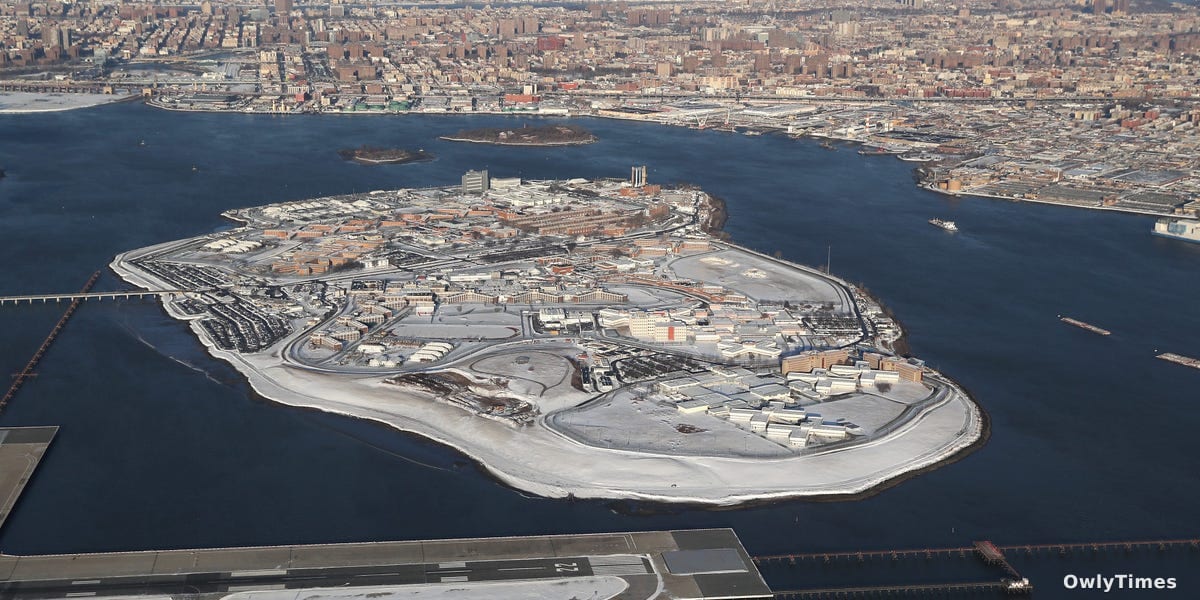
The scale of the operation is immense. Rikers Island, a jail complex situated between the Bronx and Queens, consumes approximately 7 million meals each year. A visit to the Anna M. Kross Center (AMKC), Rikers’ largest kitchen, in April 2025, revealed a surprisingly robust operation – one where chefs prepare meals largely from scratch, despite the inherent risks and restrictions. This commitment to in-house cooking, while seemingly efficient, is a key driver of the high price tag. Compared to contracting out meal services, which many correctional facilities do, maintaining a fully staffed and secured kitchen demands significant investment in personnel, infrastructure, and, crucially, security.
The security measures are pervasive and, frankly, astonishing. Access to AMKC requires navigating a mile-long bridge and passing through three security checkpoints. Once inside, the kitchen operates under constant surveillance, with eight guards overseeing the five chefs and five detainees assigned to dishwashing and food service. Every tool, from knives chained to cooking surfaces to cans of green beans, is treated as a potential weapon. Dull knives are physically secured, lids are immediately discarded into caged receptacles, and even spoons and ladles are locked away when not in use. This isn’t simply about preventing escapes; it’s about mitigating the risk of internal violence and the creation of makeshift weapons. The Department of Corrections maintains that violent incidents in the kitchens are “extremely rare,” but the preventative measures suggest a constant awareness of potential threats.
This hyper-vigilance has a direct impact on operational efficiency. Chefs must request a guard to unlock tools, a process that, while necessary, adds significant time and complexity to even simple tasks. The logistical hurdles extend to staffing as well. Many of the kitchen staff rely on public transportation, enduring commutes of two or more hours each way – a testament to the challenges of attracting and retaining personnel in a demanding and isolated environment. The city’s investment isn’t just in food; it’s in compensating for the friction created by these security protocols.
The human element within this system is equally compelling. Detainees who qualify for kitchen work, like Nadine Leach, earn a meager $1.45 per hour, yet view the assignment as a “sanctuary” – a respite from the harsher realities of jail life. Leach, a former chef herself, works 56 hours a week, saving money for her grandchildren. However, even within this relative haven, she is subject to constant pat-downs and security checks, a stark reminder of her incarcerated status. This duality – the desire to provide opportunities for rehabilitation alongside the necessity of maintaining strict control – encapsulates the central tension at Rikers. The delicate balance between officer, chef, and detainee underscores the psychological toll of this environment.
The future of Rikers Island is uncertain. The city council voted in 2019 to close the facility by 2027, citing years of violence and mismanagement. However, a 2025 report from the Independent Rikers Commission suggests that deadline is unrealistic, with 2031 being a more likely timeframe. This delay means that, for the foreseeable future, New York City will continue to shoulder the $19 billion annual food bill, and the complex security apparatus will remain in place. The question now isn’t just if Rikers will close, but how the city will manage the transition and whether the underlying issues driving up costs – namely, the need for extreme security measures – will be addressed in any new facilities.
What this means for your wallet: The exorbitant cost of feeding Rikers Island isn’t just a budgetary concern for New York City taxpayers. It’s a microcosm of the broader financial burden of mass incarceration. As cities and states grapple with rising corrections budgets, expect increased scrutiny of spending priorities and potential trade-offs in other essential services. Watch for debates over alternative sentencing programs and investments in rehabilitation initiatives – strategies that, while potentially costly upfront, could ultimately reduce the long-term financial strain of maintaining a system like Rikers. Will the city prioritize preventative measures and community support, or continue to invest in a system defined by containment and control? The answer will determine not only the future of Rikers, but the fiscal health of New York City for years to come.