
Beyond Check-Ups: Addressing Systemic Health Disparities in Rural Florida
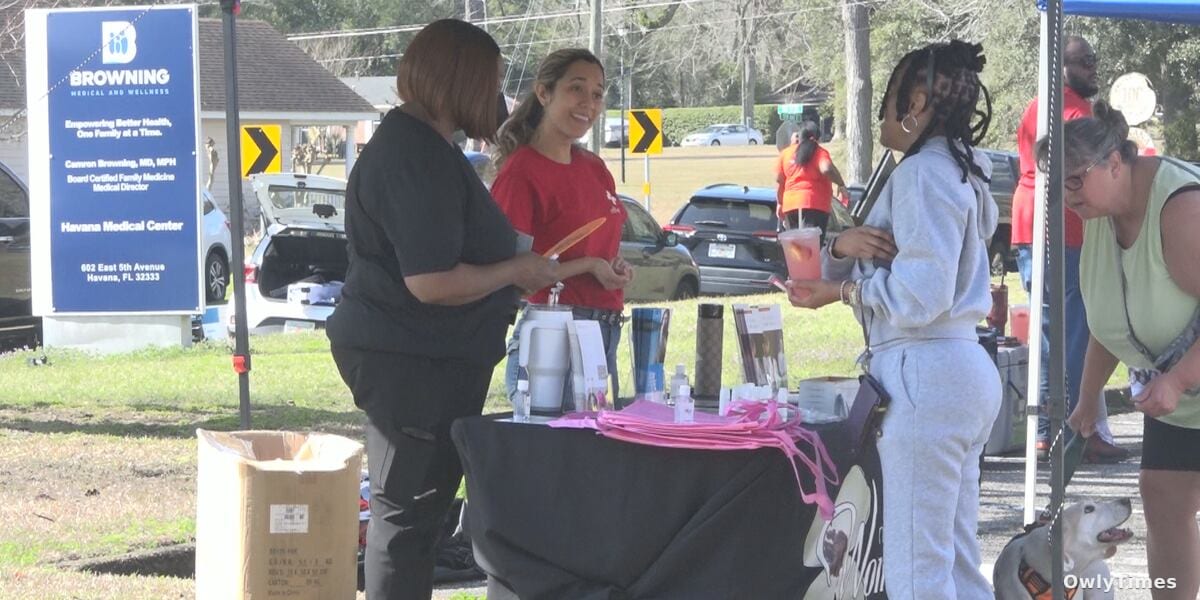
The image of a community health fair – free screenings, yoga classes, CPR training – often evokes a feel-good narrative of proactive wellness. But the event held Saturday in Havana, Florida, and spearheaded by Dr. Camron Browning, isn’t simply about encouraging individual healthy habits. It’s a direct response to a documented, and deeply concerning, pattern: Gadsden County consistently experiences significantly higher rates of preventable chronic diseases like cancer and diabetes. This isn’t a matter of lifestyle choices alone; it’s a stark illustration of how geographic location and socioeconomic factors create barriers to basic healthcare access, and a local physician’s attempt to circumvent them. The event, the first for Browning Medical and Wellness, signals a growing recognition that improving public health requires more than just treating illness – it demands addressing the systemic issues that cause it.
This piece references the wctv.tv report.
A Return Home Driven by Data and Personal Experience
Dr. Browning’s decision to return to his hometown of Havana last year wasn’t a sentimental journey, though personal connection clearly plays a role. It was, he explains, motivated by a clear understanding of the health landscape in Gadsden County. As he stated to WCTV, the county “consistently kind of ranked in the lower margins for higher rates of cancers, diabetes, chronic preventable conditions.” This isn’t a new revelation. Rural counties across the United States, and particularly those with significant minority populations, consistently lag behind urban areas in health outcomes. The reasons are multifaceted: limited access to specialists, fewer healthcare facilities, higher rates of poverty, and transportation challenges. For residents of Havana, a trip to Tallahassee – the nearest major medical center – can easily exceed an hour, a significant burden for those without reliable transportation or the financial means to take time off work. Browning’s initiative directly confronts this logistical hurdle, bringing care to the community instead of expecting the community to seek it out.
The Scope of Preventable Illness and the Limits of One-Day Fairs
The focus on “chronic preventable conditions” is crucial. These aren’t illnesses that simply appear; they develop over time, often linked to modifiable risk factors like diet, exercise, and access to preventative care. The fact that Gadsden County’s rates are elevated suggests a breakdown in these preventative measures. While Saturday’s fair offered valuable screenings and education, it’s important to understand what these events can’t do. A single day of free services, while impactful, doesn’t address the underlying issues of consistent access to primary care physicians, affordable medication, or ongoing health education. The “Walk with a Doc” series and yoga classes are positive steps, but they represent a small fraction of the comprehensive care needed to shift long-term health trends. Headlines celebrating the event should be tempered with the understanding that this is a starting point, not a solution.
Beyond Awareness: The Need for Sustainable Infrastructure
Dr. Browning explicitly identified access as the core problem, stating that for some residents, “it can take more than an hour to make it to Tallahassee.” This highlights a critical tension: individual responsibility for health is often framed as paramount, yet systemic barriers actively prevent individuals from exercising that responsibility. The success of Browning Medical and Wellness’s first event hinges on its ability to evolve beyond one-off fairs. The stated goal of “more often” community health days is encouraging, but the long-term impact will depend on building a sustainable infrastructure of care within Gadsden County. This could involve advocating for increased funding for rural healthcare, attracting more medical professionals to the area, or leveraging telehealth technologies to bridge the geographic gap.
What Happens When the Mobile Clinic Stops?
The next crucial step isn’t simply repeating the health fair, but rigorously evaluating its impact. What specific health indicators shifted, even slightly, as a result of the screenings? How many individuals followed up with primary care physicians after identifying potential health concerns? And, perhaps most importantly, how can Browning Medical and Wellness leverage the data collected to advocate for more comprehensive, long-term solutions? We should be watching for whether this initiative expands to include consistent, ongoing care options, or if it remains a series of periodic events. The true measure of success won’t be the number of people screened on Saturday, but whether Gadsden County begins to see a demonstrable, sustained improvement in its overall health outcomes – and what happens when the mobile clinic packs up and moves on.





