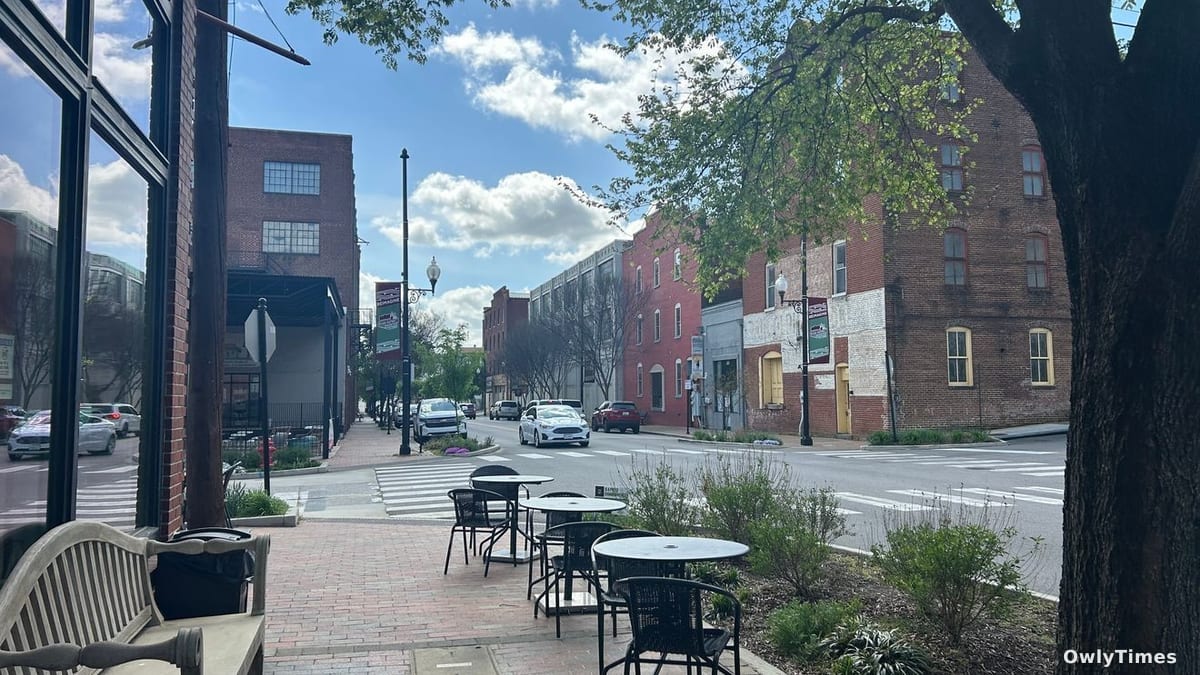

Is Danville’s River District about to trade a charming small-town vibe for the aggressive efficiency of a Manhattan parking garage? The city’s decision to implement two-hour parking limits, ostensibly to improve “turnover,” feels less like urban planning and more like applying a Silicon Valley “growth hack” to a problem that doesn’t quite exist. The real story here isn’t about maximizing parking space – it’s about a fundamental misunderstanding of what makes a downtown area thrive. It’s about prioritizing the fleeting convenience of shoppers over the sustained needs of workers and the long-term health of local businesses.
The impetus, according to Pivot Parking, the city’s partner in this venture, is simple: 90% of downtown spaces are full. That sounds like success, doesn’t it? A vibrant, desirable area. But framing fullness as a problem reveals a peculiar logic. It suggests Danville believes its downtown is only valuable insofar as cars can cycle through it, dropping off shoppers and disappearing. Britnee Matherly, an employee at River City Florals, articulated the frustration succinctly: “It’s one of the stupidest things Danville could have probably done.” Her concern – being forced to park blocks away or gamble on a spot in the already-overwhelmed parking garage – isn’t just a personal inconvenience. It’s a symptom of a city failing to value its workforce.
This piece references the wset.com report.
This isn’t a new conflict. Every city grappling with revitalization faces the tension between attracting visitors and supporting those who already contribute to the local economy. But Danville’s approach feels particularly tone-deaf. A $25 ticket, as Pivot Parking warns will be the starting point for violations, isn’t a deterrent for tourists; it’s a tax on employees and a potential deterrent for customers. Tanya Hilliard, owner of Zinc Total Salon, highlights this perfectly. Her clients, often requiring three to four hours for color treatments, represent a significant portion of downtown spending. Are those dollars worth sacrificing for the possibility of an extra car circling the block?
The argument that limiting parking will “keep cars moving” echoes the rhetoric of app-based transportation companies promising seamless urban flow. But those promises often come at the expense of worker stability and local business viability. Danville isn’t San Francisco; it doesn’t have a robust public transportation system to absorb displaced parkers. The proposed solution – warnings on windshields two weeks before enforcement – feels like a performative gesture, a way to appear responsive while barreling ahead with a poorly considered plan. The suggestion from Hilliard to revisit exemptions for private parking lots, and Matherly’s call for additional parking capacity alongside building renovations, are far more sensible, yet seem to have been dismissed.
Danville’s parking predicament isn’t unique. Small cities across the country are experimenting with similar “solutions” – smart parking meters, dynamic pricing, and, yes, time limits – all fueled by the belief that technology can optimize urban life. But these interventions often ignore the human element. They treat people as data points, not as individuals with complex needs and routines. The city’s focus on maximizing parking availability overlooks the more crucial question: maximizing the quality of the downtown experience.
Here’s what to watch for: in the next six months, track the vacancy rates of businesses like Zinc Total Salon. Don’t look at overall downtown foot traffic – look at the businesses that rely on extended customer visits. If Danville sees a decline in those sectors, it won’t be a parking problem anymore. It will be a self-inflicted wound, a clear signal that prioritizing algorithmic efficiency over community needs is a losing strategy.





