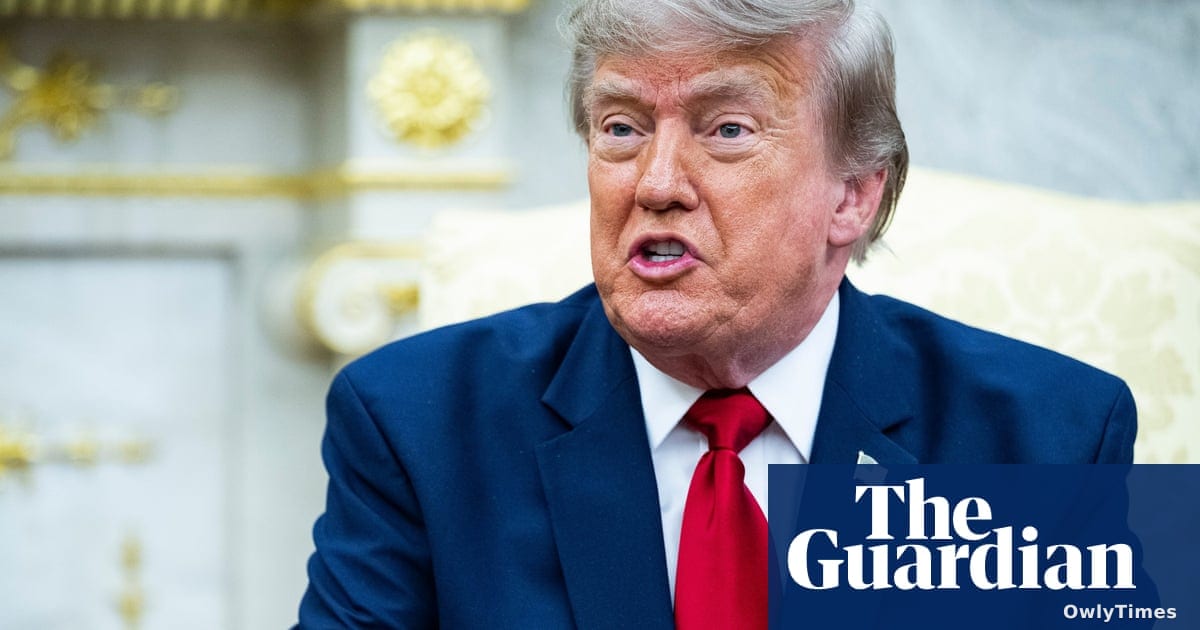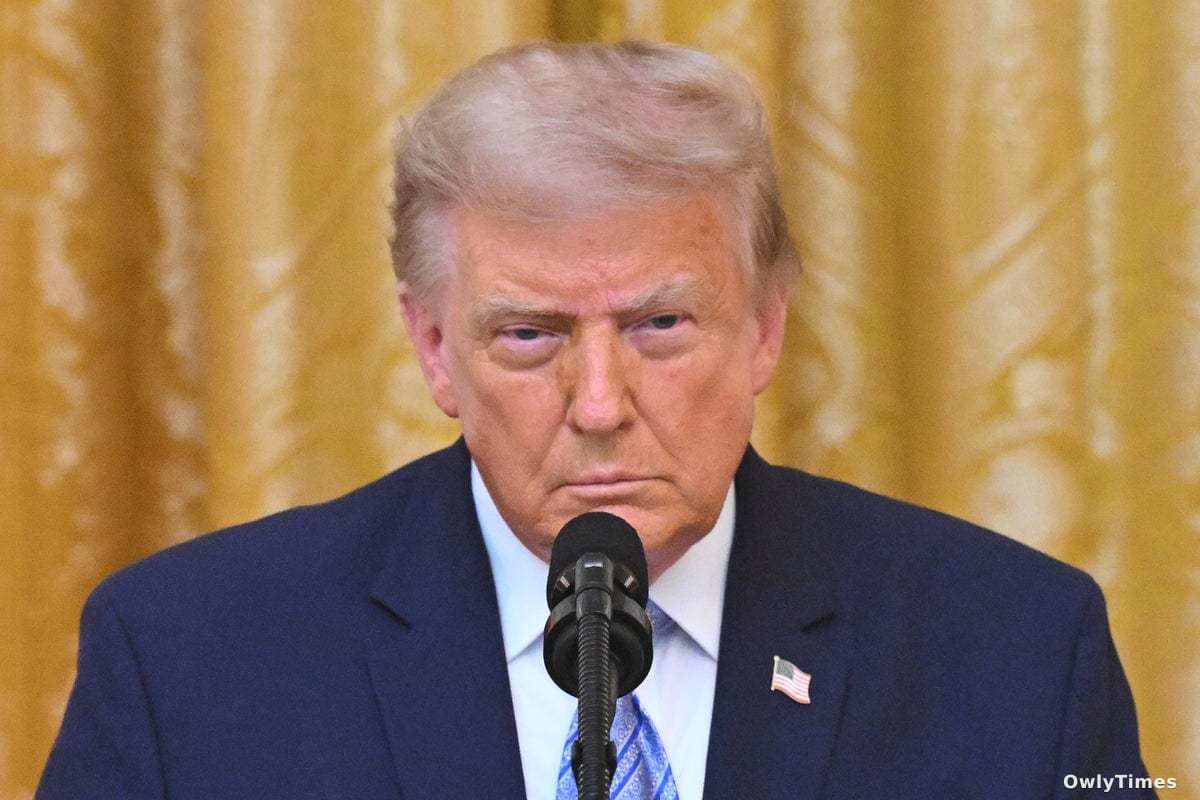

The escalating tensions in the Strait of Hormuz aren’t simply a military or diplomatic crisis; they represent a calculated fracturing of the post-war security architecture in the Asia Pacific, one where regional powers are quietly prioritizing economic self-preservation over explicit alignment with a recalcitrant United States under President Trump. The current scramble for alternative oil routes, spearheaded by South Korea and cautiously navigated by Japan, isn’t a reaction despite Trump’s public criticisms of their security commitments – it’s a direct consequence of them. The message being sent, without direct confrontation, is clear: Washington’s pressure won’t dictate national economic interests.
South Korea’s Pragmatic Pivot
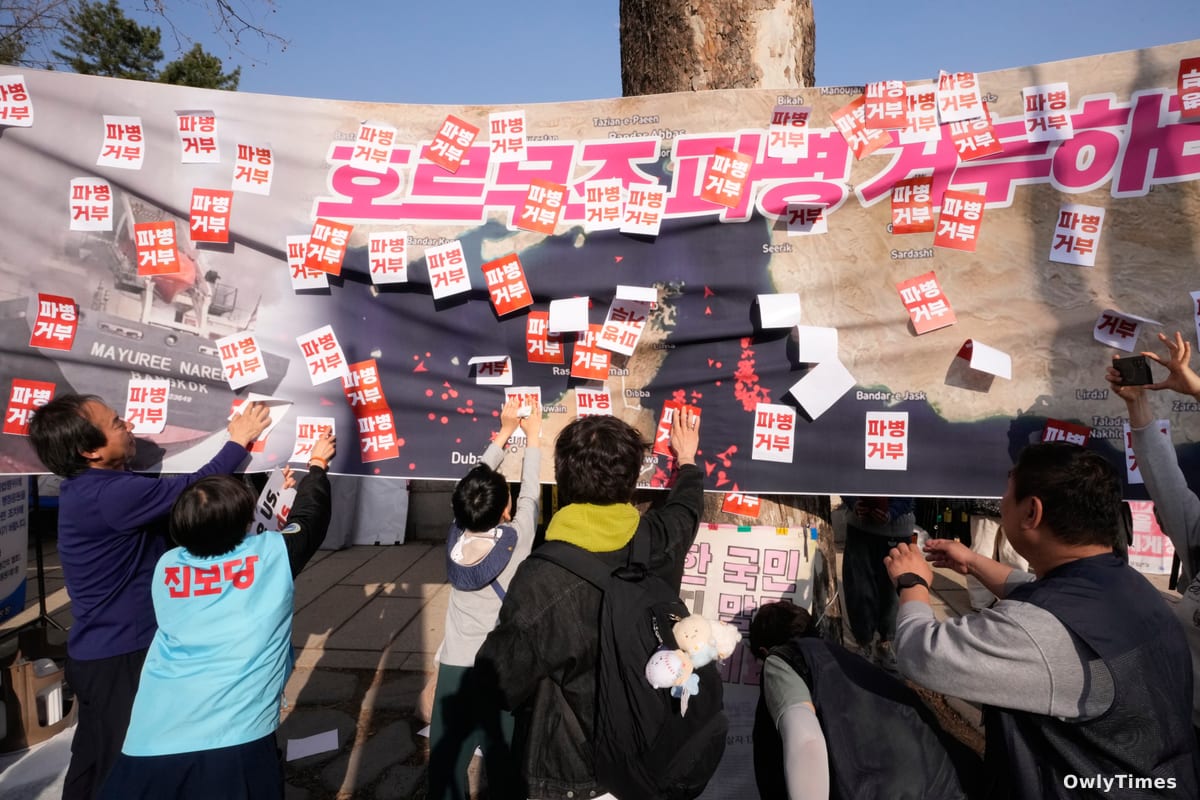
South Korea’s aggressive pursuit of alternative oil supplies via the Red Sea, framed by Democratic Party legislator comments that “securing alternative crude oil supplies is the most urgent task in the Middle East Crisis,” isn’t merely about diversifying import routes. It’s a strategic hedge against both the immediate disruption in the Strait of Hormuz and the longer-term uncertainty of relying on a U.S. security umbrella increasingly perceived as unreliable. The fact that Seoul is dispatching envoys to Saudi Arabia, Oman, and Algeria – nations with historically independent foreign policies – underscores this point. This isn’t about finding any oil; it’s about establishing relationships with suppliers less susceptible to U.S. influence. The 26 “South Korea-related” vessels stranded in the Strait of Hormuz, carrying 173 crew members, serve as a stark reminder of the vulnerability of existing supply lines and a powerful incentive to accelerate this diversification. This mirrors the energy policies of post-Vietnam France under de Gaulle, which prioritized energy independence from both the US and Soviet blocs, a move that fundamentally reshaped European geopolitics.
See the original hawaiipublicradio.org story for the full account.
Japan’s Calculated Ambiguity
Japan’s response is more nuanced, reflecting a deeper historical aversion to direct confrontation. Prime Minister Sanae Takaichi’s condemnation of the Strait’s closure is a formality, maintaining the appearance of solidarity with international norms. However, her simultaneous announcement of preparations for “dialogue at the leadership level at an appropriate time” reveals a willingness to engage directly with the actors controlling the Strait, irrespective of Washington’s stance. The passage of the Mitsui OSK Lines tanker, operating under an Indian flag and carrying LNG to India, is a telling detail. It demonstrates Tokyo’s ability to navigate the situation through indirect channels, utilizing flag-of-convenience vessels and focusing on energy supplies to key regional partners like India – a nation increasingly viewed as a strategic counterweight to China. This echoes Japan’s pre-war diplomatic strategy of maintaining open lines of communication with all parties, even while quietly building its own economic and military strength.
Who Benefits and Who Loses?
The immediate losers are, predictably, those reliant on the status quo. President Trump’s strategy of leveraging security guarantees for economic concessions is backfiring spectacularly. The more pressure he applies, the more determined these nations become to reduce their dependence on the U.S. The beneficiaries are those positioned to profit from the disruption: nations like Saudi Arabia, Oman, and Algeria who stand to gain increased market share, and China, which observes the fracturing of U.S. alliances with growing satisfaction. The long-term implications are even more significant. A diminished U.S. role in the Asia Pacific creates a power vacuum, one that China is well-positioned to fill, not through military force, but through economic influence and the provision of security alternatives.
The Next Chess Move: India’s Role
The critical variable to watch isn’t Washington’s reaction, but India’s. Japan’s decision to prioritize LNG shipments to India isn’t accidental. New Delhi’s growing economic and military power, coupled with its strategic autonomy, makes it a crucial partner for both Tokyo and Seoul. The question is whether India will actively leverage this situation to further its own regional ambitions, potentially offering security guarantees or alternative supply routes that directly challenge U.S. dominance. Will India publicly condemn the actions in the Strait of Hormuz, or will it maintain a pragmatic silence, quietly benefiting from the disruption and the increased reliance on its energy resources? The answer to that question will determine whether this is merely a regional realignment, or the beginning of a fundamental shift in the global balance of power.