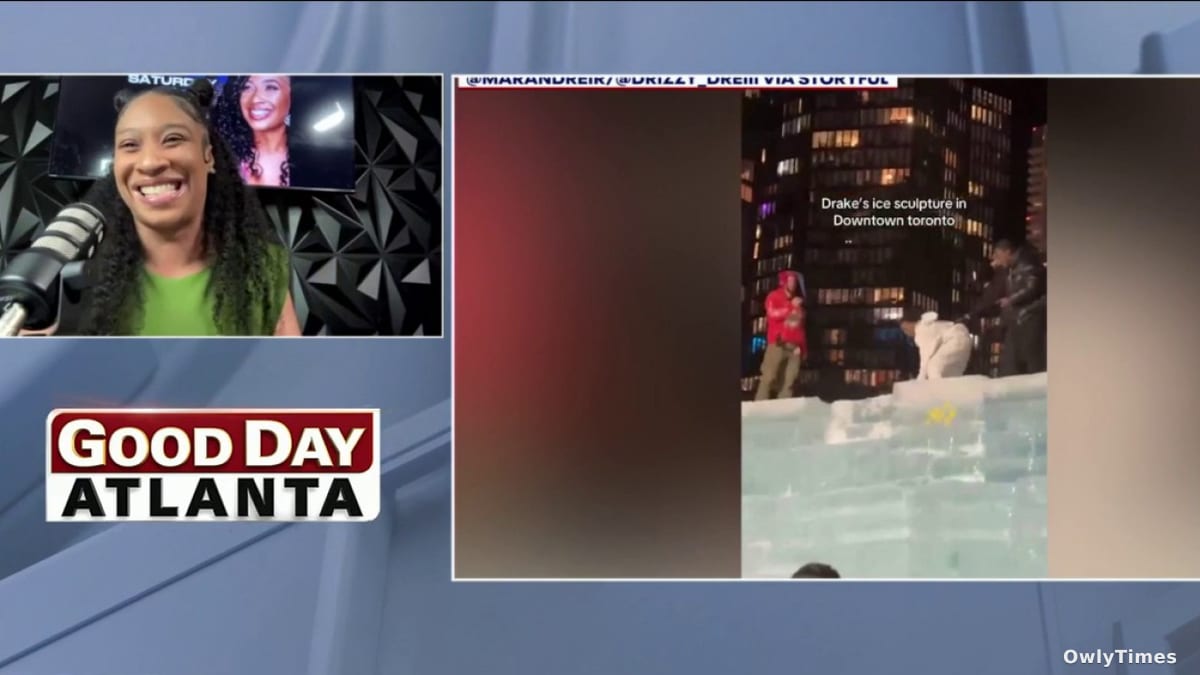

The digital breadcrumbs left by global superstars have become the modern equivalent of a treasure hunt, turning every social media post into a high-stakes puzzle for the masses. When Drake dropped hints that sent his fanbase into a frenzy on April 22, 2026, he wasn't just teasing a tracklist; he was participating in a calculated orchestration of anticipation that defines the current era of music consumption. As Jigi Dinero reported in her latest entertainment briefing, the scramble for an album release date is no longer just about the music—it is about the hunger for a communal event in an increasingly fragmented cultural landscape.
The Economy of Anticipation
In an industry where attention is the most volatile currency, the strategy of withholding information has become a powerful weapon. By keeping fans guessing, artists like Drake extend the lifespan of their project’s promotional cycle far beyond a traditional marketing blitz. This tactic leverages the collective power of social media, where millions of listeners act as amateur detectives, parsing every pixel and lyric for a potential sign of what’s coming next. It transforms a simple product launch into an interactive cultural moment, forcing the audience to invest their time and energy before the music is even available.
Beyond the Entertainment Cycle
While the internet fixates on the mystery of an album date, the broader reality reflected in news cycles reminds us that entertainment is just one layer of our collective consciousness. As of 11:19am EDT on that Tuesday, the headlines were as heavy as they were diverse, ranging from the somber remembrance of Georgia Congressman David Scott, who passed away at age 80, to the civic discussions surrounding infrastructure projects like the GA 400 express lanes. These stories exist in the same ecosystem as celebrity gossip, competing for the same limited window of public attention.
The contrast is stark: while fans wait for a drop, local communities in Georgia are navigating the aftermath of wildfires, the complexities of school closure data, and the legal proceedings in a Coweta County vehicular homicide trial. This friction between the trivial and the essential is what defines the modern media experience. We are constantly oscillating between the escapism of pop culture and the gravity of local and national affairs, often consuming both within the same scrolling session.
The Future of Engagement
The industry’s reliance on these "frenzy-inducing" tactics suggests that the traditional album cycle is likely a thing of the past. As we look at the way audiences interact with content, the success of these strategies depends entirely on the artist's ability to maintain a parasocial connection with their base. It is a fragile equilibrium; pull the strings too tight, and the audience grows weary of the games.
The next few weeks will provide the true measure of this strategy's efficacy. Whether or not an official release date emerges from the silence, the metric to watch remains the volume and velocity of the digital discourse surrounding these teases. The question is no longer just "when" the music will arrive, but how long the industry can continue to thrive on the promise of the unknown before the audience demands something more tangible. As the headlines continue to cycle through crises and pop culture moments alike, the ability to command attention in such a crowded space remains the ultimate test of stardom.