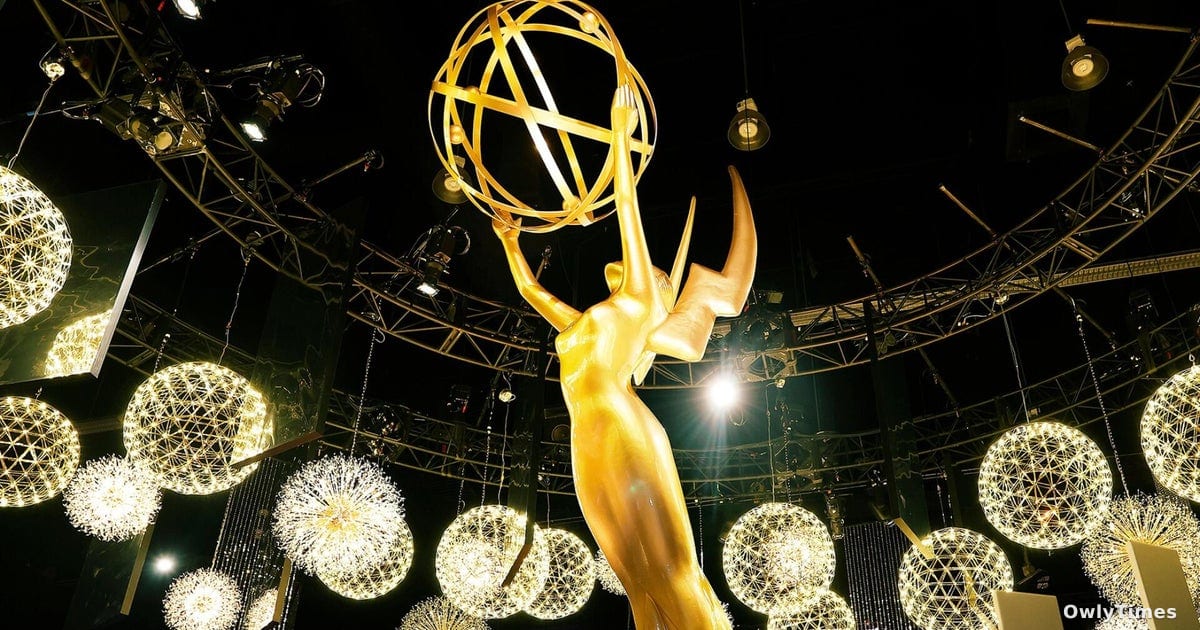

Is the prestige television landscape finally hitting a wall, or are we just witnessing the most bloated awards season in history? The 78th annual Primetime Emmy nominations, announced Wednesday in Los Angeles, suggest that even as the industry pivots toward shorter, high-impact streaming cycles, the Television Academy is still obsessed with setting records for sheer volume.
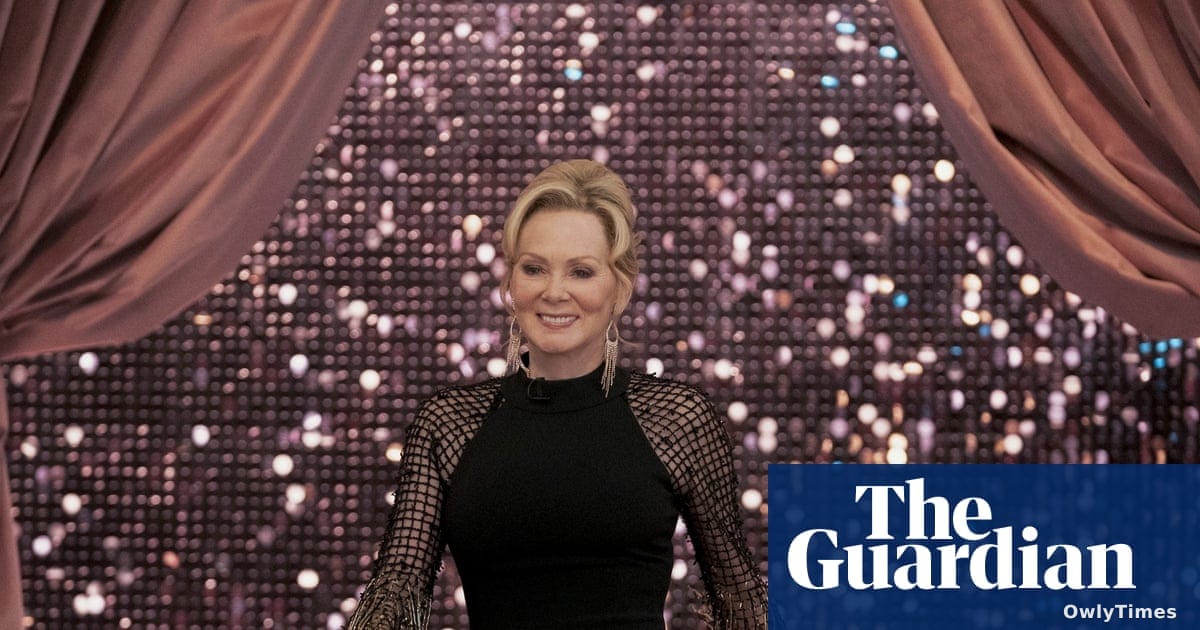
The real story here isn’t just which shows took home the most nods—it’s that the math of television stardom has fundamentally shifted toward a “more is more” strategy. According to CBS News, HBO Max’s Hacks shattered records with 24 nominations for its final season, surpassing the previous high of 23 held by The Bear and The Studio. Not to be outdone, The Pitt secured a leading 25 nominations on the drama side, underscoring how legacy prestige platforms are leaning heavily on massive production slates to maintain their dominance.
This technical saturation affects the ordinary user by turning the "must-watch" list into an impossible chore. While industry insiders cheer for the sheer number of slots, the reality for the average viewer is a fragmented streaming landscape where, as Rolling Stone notes, breakout hits like the Canadian-financed Heated Rivalry are rendered ineligible, despite their massive international success. The Academy’s rigid gatekeeping feels increasingly out of sync with a globalized audience that doesn’t care about a production’s country of origin.
The reliance on a "multi-hyphenate" talent pool has also become the industry's new baseline. The Hollywood Reporter points out that stars like Jason Bateman, Colman Domingo, Laurie Metcalf, Nick Offerman, and Matthew Rhys dominated the conversation by scoring multiple acting nominations across different projects. This isn't just a sign of talent; it’s a reflection of the "gig economy" version of Hollywood, where top-tier actors spread their presence across a dozen different streaming services to stay relevant.
Some of these shifts have created real friction, particularly regarding how we define a "comedy." As Rolling Stone highlights, The Bear continues to occupy space in the comedy category despite widespread agreement that it functions as a drama, a category error that highlights the Academy's struggle to adapt to modern genre-bending. Meanwhile, the live events space is enjoying a resurgence. Billboard reports that the 83rd Annual Golden Globes earned an Outstanding Variety Special (live) nomination, a major comeback for a ceremony that was off the air just a year ago. Nikki Glaser, who hosted the broadcast, secured three nominations herself, cementing her status as a critical piece of the "live-event-as-content" puzzle.
These nominations serve as a diagnostic tool for the health of the streaming wars. We are moving toward a future where the "prestige" label is applied to everything from RuPaul’s Drag Race—which saw RuPaul Charles extend his record for host nominations to 11 years—to high-budget genre prequels like A Knight of the Seven Kingdoms.
Expect the next major signal in this trend to arrive on September 14, when the 78th Primetime Emmy Awards broadcast live on NBC and Peacock. That night will serve as the final referendum on whether the Television Academy’s current strategy of massive, multi-platform nomination slates can actually hold the attention of a distracted, streaming-saturated public.