
Concerns Over Scientific Integrity and Data Access Emerge from Former CDC Official
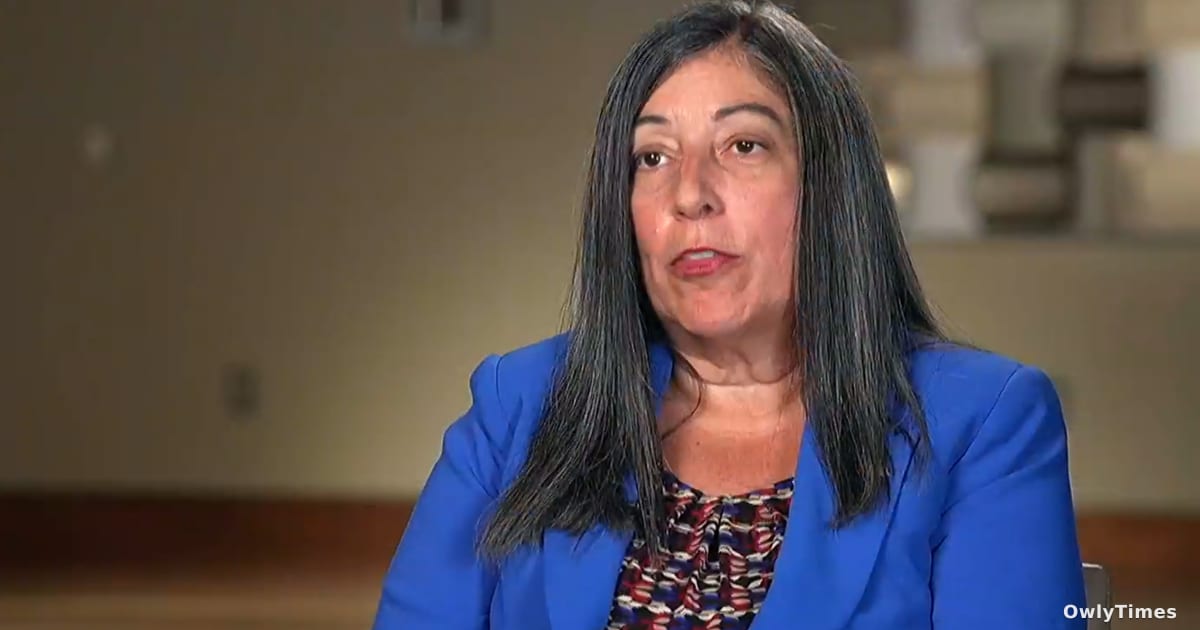
The scientific community and public health officials are grappling with revelations from Dr. Debra Houry, former chief medical officer at the Centers for Disease Control and Prevention (CDC), regarding potential political interference in scientific data and access during her tenure. Dr. Houry, who served at the CDC for 11 years, spoke on "Face the Nation with Margaret Brennan" on July 5, 2026, detailing her experiences and concerns that culminated in her documenting internal discussions and decisions. This interview, taped on July 1, 2026, sheds light on a period where scientific guidance and data access were reportedly impacted by political considerations.
What the Study Actually Found vs. What Headlines Claim
While some reports might suggest a wholesale politicization of the CDC, Dr. Houry's account, as detailed by CBS News, offers a more nuanced perspective. She expresses that under the first Trump administration, "things went really well overall," citing the initiation of suicide prevention programs as a positive outcome. However, her primary concern, and the impetus for her extensive documentation, stemmed from instances where she felt "conflicts of interest" and "scientific integrity and political interference" were at play. This led her to meticulously document decisions, not just as a matter of "good clinical practice," but to create a "paper trail" illustrating how decisions were made, particularly when she harbored reservations. She stated, "I knew that history, at some point, would look back on this, and so I wanted to make sure that we had that historical record."
Executive Orders Triggered Data Access Issues
A significant point of contention highlighted by Dr. Houry involved executive orders that, within the first week or two of a new administration, led to the removal of hundreds of websites. CBS News reports that this included terms like "gender," which were present in various data sets, including guidance around Mpox. Dr. Houry expressed deep concern as a physician, stating, "it was very concerning to me that if you've got patients and doctors that need specific clinical guidance to not be able to provide that information." She further noted that this action affected critical information such as how physicians should treat STDs, which is deemed "very important information." While many materials were eventually reinstated, often with a disclaimer noting they predated the executive order, the initial removal and the underlying rationale caused considerable unease regarding the prioritization of data science over political directives.
Vaccine Information Scramble Raises Further Questions
Adding another layer to these concerns, CBS News reports that Dr. Houry also documented a scramble to restore certain website content, specifically vaccine-related information, just after the secretary's confirmation hearings. The urgency to get this information back online was reportedly driven by a fear that its absence could negatively impact the secretary's confirmation. This incident suggests a potential for immediate political implications to influence the availability of crucial public health data.
Limitations to Consider
It is important to note that Dr. Houry's account is based on her personal experiences and interpretations during a specific period. While she was the acting CDC director for a brief time, she was not officially named by the administration in question. The scope of the removed information and the precise motivations behind these actions are complex. Furthermore, the Euronews and MarketWatch reports from July 5, 2026, focus on entirely different events, such as news bulletins and streaming content, offering no corroboration or counterpoint to the CDC-related revelations. Similarly, CBS Sports on July 4, 2026, covered the John Deere Classic golf tournament, providing no relevant context.
Next Steps and Future Implications
The revelations from Dr. Houry underscore the critical need for robust mechanisms to safeguard scientific integrity within public health institutions. The fact that 250 of her emails and documents were made public by a Senate committee following a request highlights the level of scrutiny these events have attracted. Moving forward, research will likely focus on understanding the systemic impact of political pressures on scientific communication and data accessibility. Establishing clear protocols that ensure scientific data remains independent of political shifts is paramount to maintaining public trust and enabling effective public health responses. The broader implications of these events may lead to renewed discussions about transparency, accountability, and the structural protections for scientific agencies in future administrations.