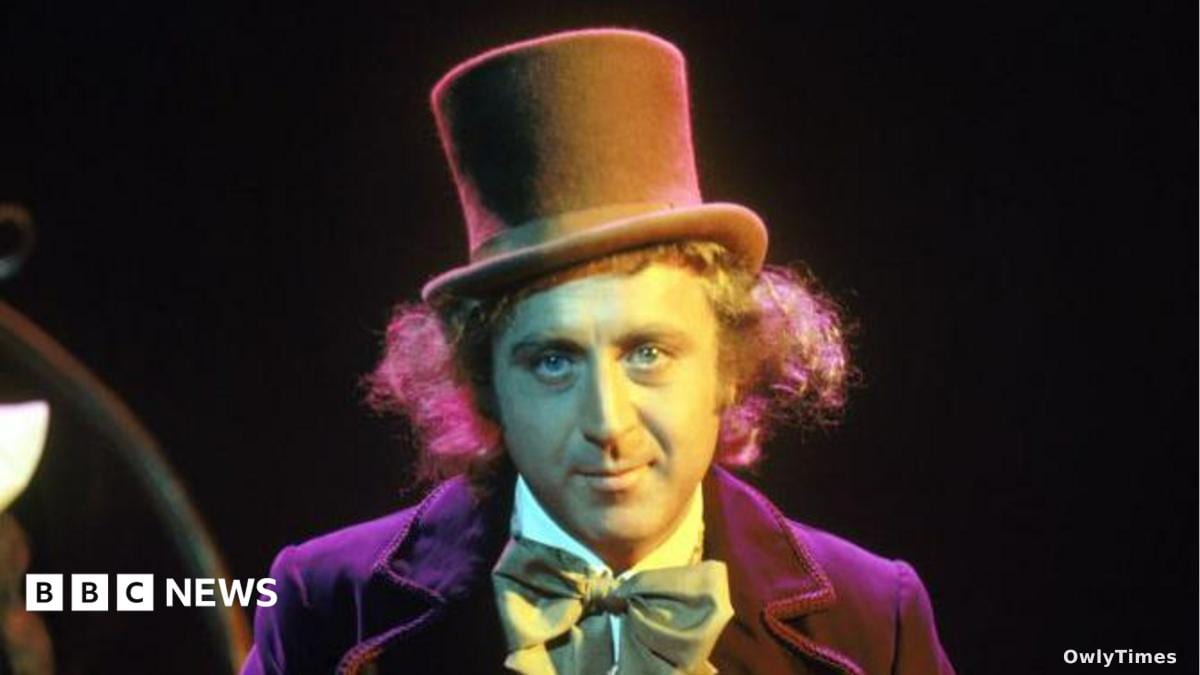

The dust of the 19th-century frontier is settling on Netflix, but it is the ghostly echo of a 20th-century icon that has the internet buzzing with a different kind of intensity. While the platform’s new adaptation of Little House on the Prairie attempts to find its footing in the American West, the streamer is simultaneously grappling with a storm of criticism over its decision to use artificial intelligence to resurrect the voice of Gene Wilder for an upcoming reality series, Wonka’s The Golden Ticket.
Beyond the headlines of streaming release dates, we are witnessing a pivotal moment in how legacy media interacts with technology. The BBC reports that Netflix has secured the consent of Wilder’s estate to utilize AI audio firm ElevenLabs to recreate the voice of the late actor, who passed away in 2016. While Wilder’s widow, Karen B. Wilder, expressed that she was "delighted" the project celebrates her husband’s imagination, the public response has been starkly divided. Critics on social media have labeled the move "disrespectful" and a "plastic substitute," with some users unfavorably comparing the project to the viral failure of the 2024 "Willy’s Chocolate Experience" in Glasgow.
This digital necromancy highlights an industry currently "testing the waters," according to Jocelyn Burnham, a specialist in AI’s role in arts and culture. As noted by the BBC, the use of AI in entertainment lacks settled industry norms, yet audiences have shown mixed reactions; while some reject the robotic quality of synthesized voices, others, as Burnham points out, have been seemingly unfazed by high-profile recreations like James Earl Jones’s return as Darth Vader in 2022.
In a sharp tonal contrast, Netflix’s other major play this week involves the tangible, human performances in the reboot of Little House on the Prairie. Created by Rebecca Sonnenshine, the series arrived on the platform on Thursday, July 9, as noted by The Hollywood Reporter. While the show features a sprawling ensemble including Alice Halsey as Laura and Luke Bracey as Charles Ingalls, it has already become a flashpoint in the culture wars. Variety emphasizes that the series aims to depict the post-Civil War era with more nuance than previous iterations, particularly through the character of Dr. Tann, played by Jocko Sims.
The critical reception reflects a deeper societal friction regarding historical revisionism. The Hollywood Reporter anticipates that some viewers may label the show "woke" for its expanded portrayal of the Osage tribe and Black settlers, despite the Ingalls family remaining the central protagonists. Both Variety and The Hollywood Reporter agree that the series is a sincere, if sanitized, attempt to ground the classic novels in a more representative reality.
These two projects represent a bifurcated future for the industry. On one side, Netflix is betting on the emotional resonance of "wholesome sincerity" and tangible actors in Little House on the Prairie, which is already slated for a second season. On the other, the studio is leaning into the cold, calculated efficiency of AI to invoke nostalgia. The industry is currently moving toward a standard where the value of a performance is being weighed against the authenticity of its origin, a tension that will likely define the next decade of content creation. As studios navigate these uncharted waters, the scrutiny on how they treat the ghosts of cinema history will only intensify.