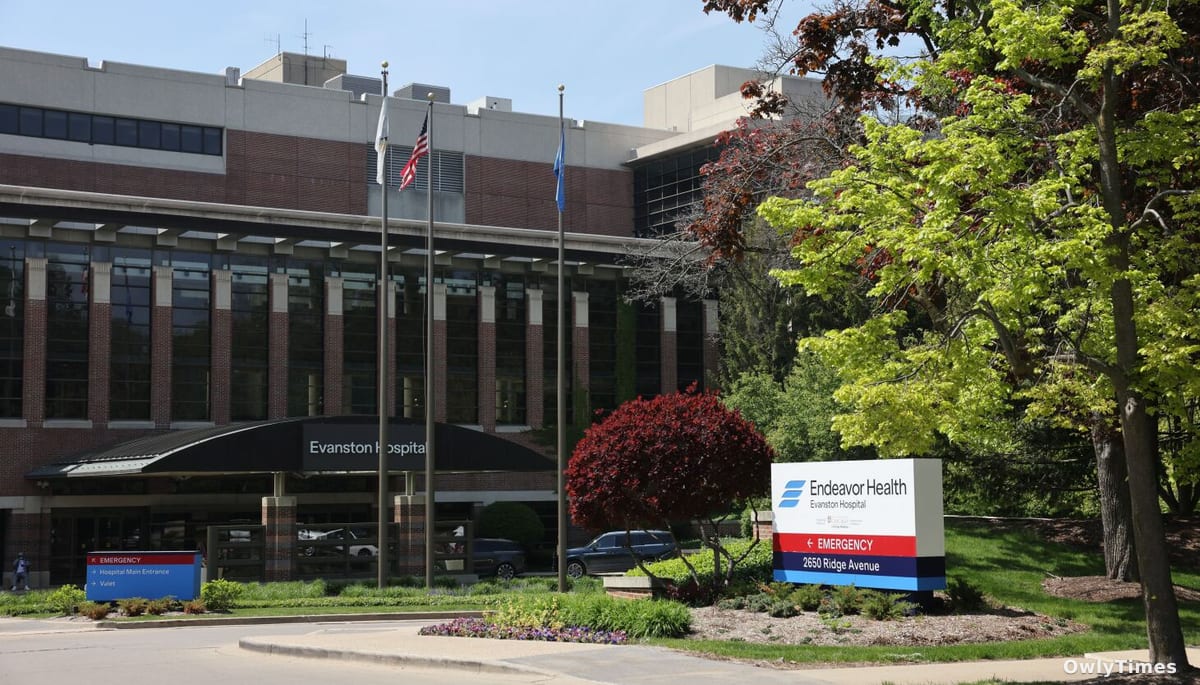

The tension between institutional financial solvency and the delivery of bedside care has reached a breaking point at Endeavor Health. As a health and science writer, I often look at how organizational structure influences clinical outcomes, and the current labor dispute in the Chicago area highlights a critical friction point: when the administrative pursuit of operational efficiency begins to collide with the patient-to-nurse ratios required for safe medical practice.
The Financial Disconnect in Modern Hospital Systems
The core of the conflict rests on a sharp divergence in how the system allocates its resources. While Endeavor Health reported a $494 million operating loss in 2024—largely attributed to legal settlements—the compensation packages for leadership remained substantial. Gerald Gallagher, the CEO of the non-profit health system, earned just over $5 million in 2024, a figure that includes a $1.4 million bonus along with various forms of deferred compensation.
For the nearly 3,000 nurses involved in the unionization effort, these figures represent a stark reality: they are being asked to absorb the financial shock of the system's losses. Tricia Poreda, a nurse leading the organizing efforts, reports that nursing staff have faced pay cuts ranging from $5 to $22 an hour. Furthermore, these cuts have been compounded by salary caps for the most experienced clinicians, a move that threatens to drain the system of its most seasoned expertise.
Clinical Risks of Operational Leanings
The primary concern voiced by staff is not merely financial, but clinical. Poreda, who works in the emergency department and intensive care, emphasizes that the drive to minimize staffing costs directly correlates to compromised patient safety. In an ICU setting, the standard of care typically requires a one-to-two nurse-to-patient ratio; when staffing levels fall below this, the margin for error in complex, life-saving interventions narrows significantly.
This is not a theoretical concern. A federal lawsuit filed by Poreda and other nurses last year provides grim examples of what can occur when staffing is stretched thin. The allegations include incidents of patients falling and sustaining injuries, as well as fatal errors in transfusion procedures. While these are individual allegations within an ongoing legal process, they highlight a systemic anxiety: that the "lean" model of healthcare delivery may be trading patient safety for short-term balance sheet stability.
The Limits of the Current Organizing Strategy
It is important to clarify the scope of the current movement. The push to join Teamsters Local 743 is currently limited to the "legacy" hospitals—Evanston, Skokie, Glenbrook, and Highland Park—which were part of the system under the former NorthShore University HealthSystem branding. While the ambition is to organize the entire Endeavor system, which employs more than 27,000 people and serves over 1 million patients annually, the current campaign is a geographically specific effort to reclaim workplace agency.
One must be cautious when interpreting these events. While the nurses argue that unionization is the only path to safety, Endeavor Health maintains that a union acts as an unnecessary intermediary in patient care. The system’s spokesperson noted that nurses are at the "heart of the organization," though they offered no specific comment on the claims of pay cuts or the understaffing allegations.
Looking Toward the Next Regulatory Signal
The narrative here is evolving beyond a simple labor dispute; it is a question of how non-profit health systems balance massive revenue—Endeavor generated approximately $6.4 billion in 2025—against the human capital required to sustain high-acuity care.
The next meaningful metric to watch will be the progression of the ongoing federal lawsuit regarding understaffing. As this case proceeds through the courts, it will likely serve as a litmus test for whether the judiciary views current staffing practices as a standard administrative decision or a liability that violates the fundamental duty of care. For the nurses at Endeavor, the outcome of this legal scrutiny may prove as pivotal as the union vote itself.





