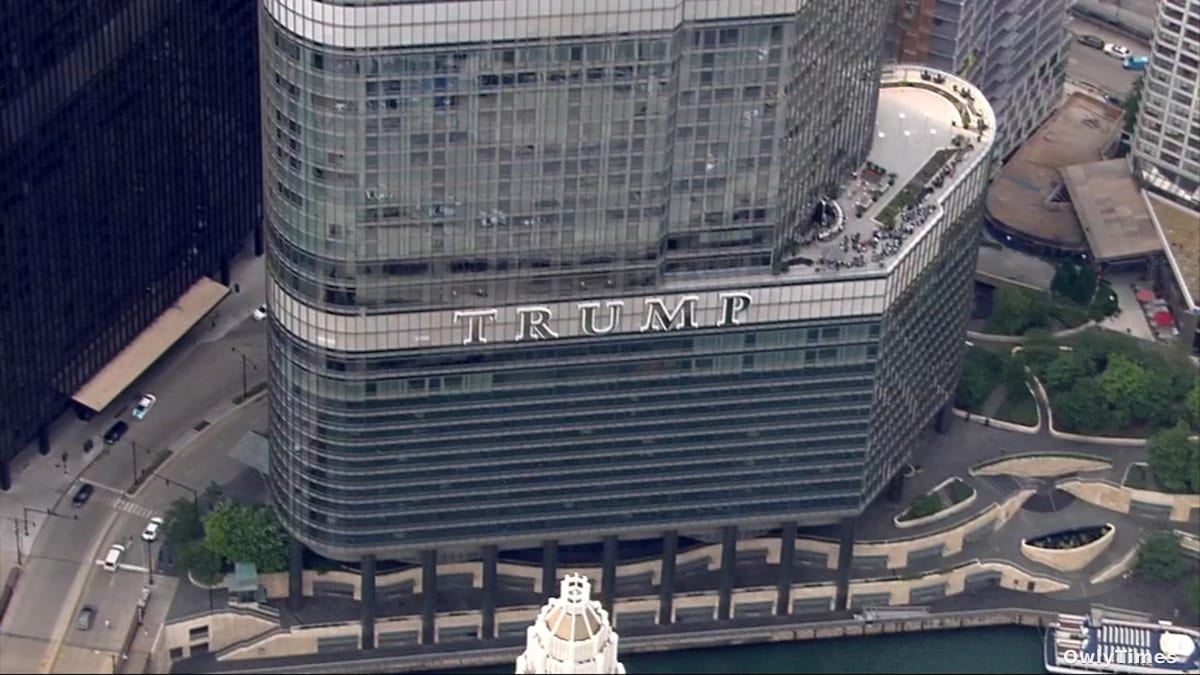

The recent passing of a re-inspection at the Trump International Hotel and Tower in Chicago, following initial health code violations, isn’t simply a story of a hotel correcting issues. It’s a microcosm of a broader, and increasingly urgent, question about accountability for high-profile businesses – and whether public health concerns are truly weighted equally alongside economic interests. While headlines focus on the “fixed” problems of flies and food storage, the initial failure, and the speed of its remediation, reveal a system where scrutiny often feels reactive rather than preventative, and where the consequences for lapses can be surprisingly uneven. This isn’t about singling out one establishment; it’s about understanding the signals this incident sends to the hospitality industry and the public it serves.
Initial Findings and the Nature of the Violations
On December’s initial inspection, a health inspector documented six violations at the downtown Chicago hotel. These weren’t abstract concerns; the report specifically noted the presence of flies in both the bar and dishwashing areas, a clear indication of potential contamination risks. Equally concerning was the improper storage of cold food, a violation that directly impacts food safety and the potential for foodborne illness. These aren’t the types of issues that arise spontaneously; they suggest systemic gaps in pest control and food handling protocols. It’s important to note that the Chicago Department of Public Health doesn’t publicly release detailed inspection reports beyond the summary of violations, making a full assessment of the severity difficult. However, the instruction for the hotel to have “all areas affected by pests checked out by an expert” suggests the issue wasn’t isolated to a single, easily addressed location. The fact that these violations occurred in a luxury hotel, typically held to higher standards, is particularly noteworthy. In 2025, the average failure rate for Chicago hotels during initial health inspections was 8%, according to city records; the Trump Tower’s initial failure therefore represents a significant outlier.
See the original abc7chicago.com story for the full account.
Remediation and the Speed of Compliance
The Trump International Hotel and Tower swiftly addressed the cited violations, passing a follow-up inspection on December 23rd – less than a month after the initial report. This rapid turnaround raises questions about the extent of the initial problems and the resources the hotel dedicated to correcting them. While a quick fix is desirable from a public health perspective, it also begs the question of whether the initial issues were genuinely pervasive or if the hotel prioritized a speedy re-inspection over a comprehensive overhaul of its systems. It’s also worth considering the potential influence of the hotel’s high profile. Businesses with significant brand recognition often have greater incentive – and resources – to resolve issues quickly to avoid negative publicity. This isn’t to suggest wrongdoing, but rather to acknowledge the potential for unequal application of pressure and scrutiny. The hotel’s willingness to engage an “expert” for pest control, as directed by the inspector, is a positive step, but the identity of that expert and the scope of their assessment remain undisclosed.
Contextualizing the Violations: Beyond Health Codes
This incident doesn’t exist in a vacuum. Just weeks before the health inspection results became public, the Trump Tower agreed to pay $4.8 million for violating EPA protections on the Chicago River. This separate violation, concerning the hotel’s discharge of pollutants, highlights a pattern of non-compliance with regulatory standards. While seemingly unrelated to food safety, both incidents point to a potential disregard for established rules and a reliance on reactive measures – paying fines and fixing problems after they’re identified – rather than proactive adherence to best practices. The financial penalty for the EPA violation is substantial, but it’s crucial to remember that fines, while impactful, don’t necessarily prevent future occurrences. They function as a cost of doing business, rather than a deterrent. This is a common tension in environmental and public health regulation: balancing punitive measures with preventative strategies.
Looking Ahead: The Role of Continuous Monitoring
The Chicago Department of Public Health’s response – issuing citations, requiring remediation, and conducting a follow-up inspection – represents a standard procedure. However, the incident underscores the limitations of a primarily reactive inspection system. Relying solely on periodic inspections leaves significant gaps in oversight, allowing potential problems to fester between checks. The next crucial step isn’t simply waiting for the next scheduled inspection, but exploring the implementation of more continuous monitoring systems. This could include increased unannounced inspections, the adoption of technology like remote temperature monitoring for food storage, and incentivizing hotels to proactively implement robust food safety management systems. More importantly, the city needs to consider making detailed inspection reports publicly accessible, fostering greater transparency and accountability. Will Chicago move towards a more preventative, data-driven approach to hotel inspections, or will it continue to rely on a system that primarily responds to problems after they’ve already emerged? The answer will shape not only the safety of diners in Chicago, but also the broader conversation about corporate responsibility and public health.