
Is our obsession with "smart" infrastructure actually blinding us to how fragile the physical world remains? We spend billions obsessing over the latest silicon chips, yet a few days of record-breaking heat can literally crack the concrete of our most vital highways.
The real story here isn't just the headlines of a tragedy in northern Germany — it’s the dangerous collision between a changing climate and the rigid, aging infrastructure that supports our daily lives. While the world's attention has been rightfully fixed on the horrific shooting in Stade, Germany, this week, the country is simultaneously struggling to keep its physical foundations from buckling under a historic, continent-wide heatwave.
The shooting in Stade, a city of approximately 50,000 people located 45 kilometers west of Hamburg, resulted in five deaths, according to the BBC. Both the BBC and The Guardian confirm that police have arrested two people, one of whom is identified as the primary suspect. While local media outlets, cited by The Guardian, have suggested the incident took place at a youth center, authorities have yet to formally confirm the location or a clear motive, urging the public to avoid the area as the investigation continues.
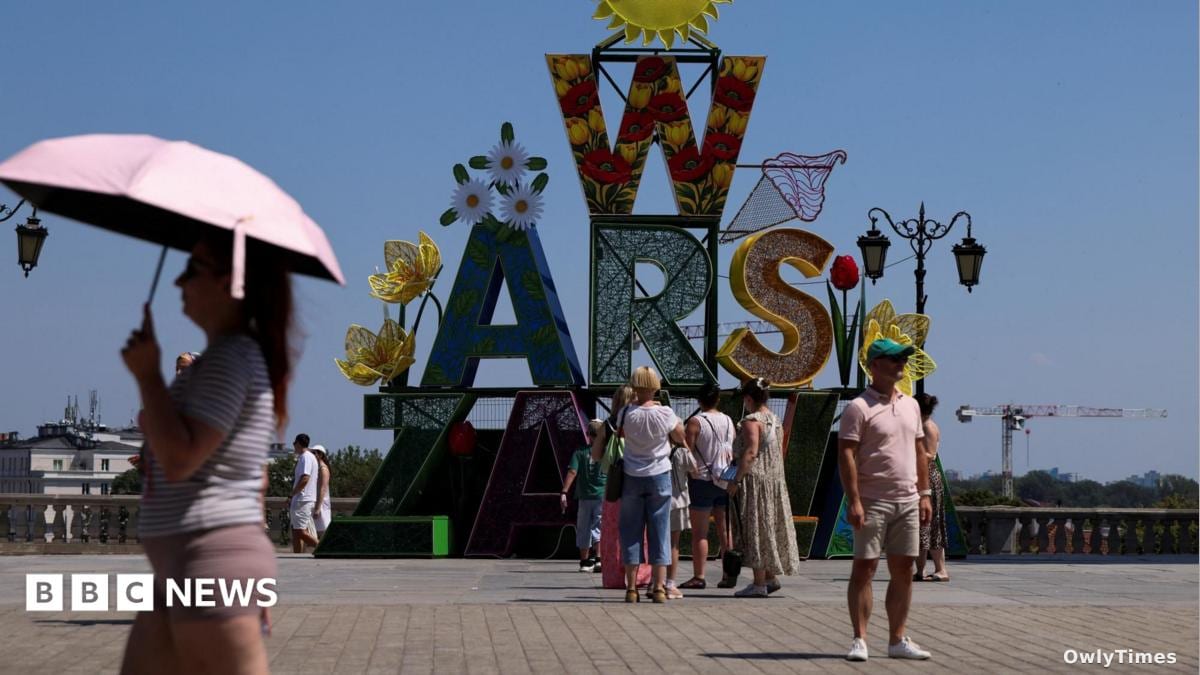
Simultaneously, Germany’s physical backbone is fraying. As reported by CBS News, the nation recorded an all-time high temperature of 106 degrees Fahrenheit on Saturday. This extreme thermal stress proved too much for the iconic Autobahn; sections of the A2 highway near Berlin physically burst, forcing closures and travel warnings.
This isn't just a German problem; it is a systemic failure of readiness. CBS News notes that rail operator Deutsche Bahn advised against nonessential travel, citing severe strain on transportation infrastructure. Meanwhile, in the city of Dormagen, the lack of widespread air conditioning—a standard feature in many European buildings—led to the emergency evacuation of a nursing home after indoor temperatures reached 95 degrees. A city spokesperson confirmed to the German news agency dpa that a resident died overnight, though the direct link to the heat remains under investigation.
For the ordinary user, the takeaway is stark: the "digital-first" future we are building is entirely dependent on a "physical-always" reality that is currently failing. When the concrete literally explodes and the power grid—already under fire in places like Ukraine, according to The Guardian—starts to falter, no amount of software optimization can keep a society running.
We are currently tracking a massive surge in medical emergencies across the continent, with the Paris hospital authority, AP-HP, reporting that emergency department intake was up by more than a third compared to normal levels, as noted by CBS News. As we look ahead, the immediate signal to watch is the continued pressure on energy networks and healthcare systems as the current heatwave moves east; these will serve as the primary metrics for whether European infrastructure can survive a summer that scientists say is "virtually impossible" by historical standards.