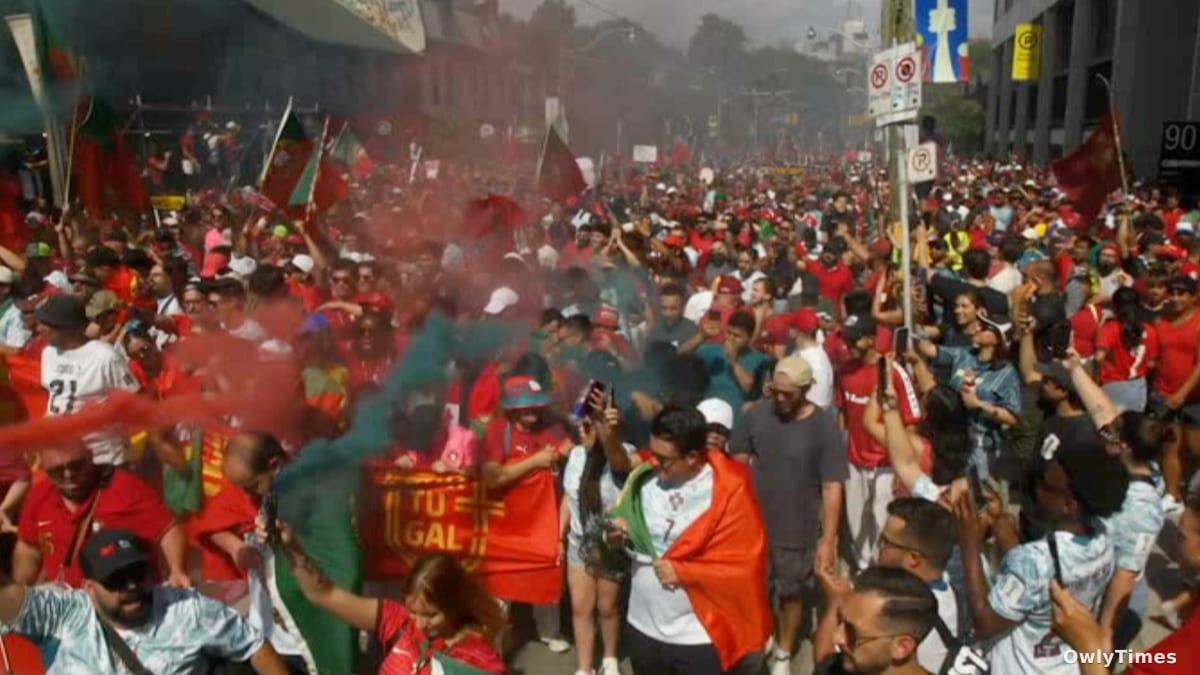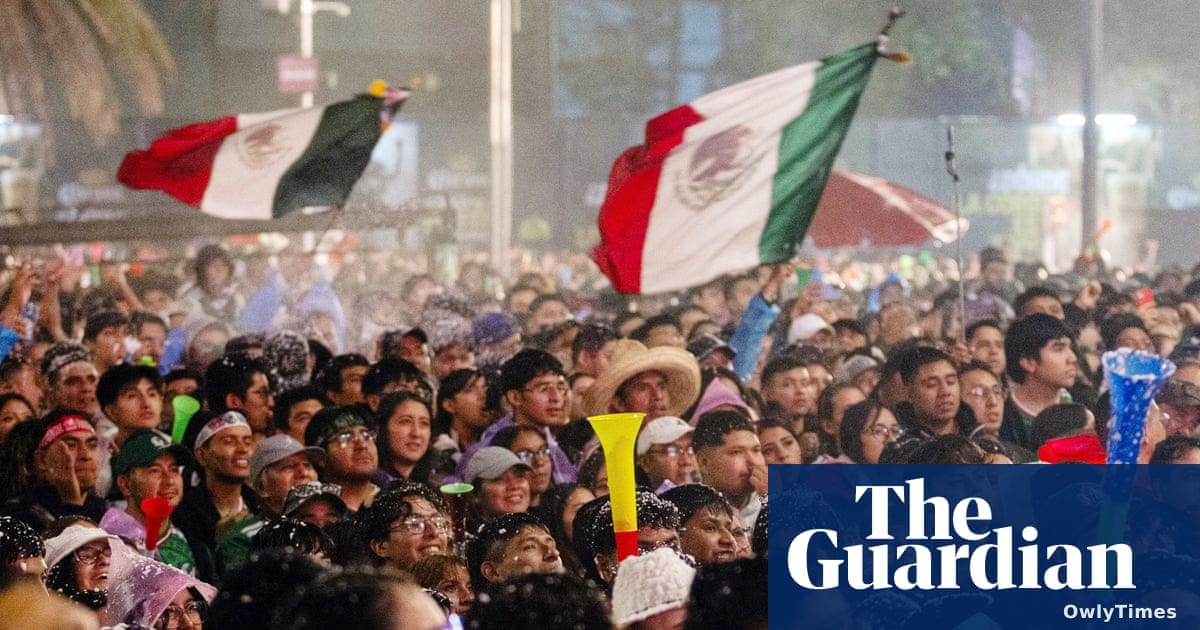

The humid air in Mexico City’s Zócalo was thick with the scent of victory and desperate, surging humanity this Wednesday, as the city’s historic streets became the site of a harrowing tragedy. While the national team’s 2-0 win over Ecuador ignited a 40-year-long dream of knockout success, the celebration turned fatal for four individuals caught in the crush near the Angel of Independence landmark, according to The Guardian.
Beyond the immediate headlines of the World Cup’s thrilling expansion, this moment forces a grim reckoning with the sheer scale of global sports fandom. In a city of over 20 million residents, the euphoria of the win—which sends the co-hosts into a high-stakes Round of 16 clash with England—quickly devolved into a scene of distress. The Guardian reports that the capital’s health secretariat confirmed three deaths were attributed to suffocation: a 44-year-old man, a 19-year-old woman, and a 48-year-old woman. A fourth fatality, a man in his 30s, succumbed to cardiac arrest following severe seizures, underscoring how quickly a festive gathering can transform into an emergency response zone.
The contrast between the joy on the pitch and the heartbreak on the pavement is stark, yet it reflects a broader cultural trend where the World Cup has evolved into an all-encompassing lifestyle event. While Mexico mourns, the tournament machinery continues to churn across the United States. Rolling Stone highlights a very different reality for the elite, where VIP suites at stadiums like the newly branded "Los Angeles Stadium" and "New York New Jersey Stadium" have become the nexus for brand activations, celebrity sightings, and corporate hospitality. From Katy Perry’s opening ceremony performance to the presence of stars like Leonardo DiCaprio and Will Ferrell on the jumbotrons, the tournament is being meticulously curated for the cameras, often masking the physical toll such massive gatherings take on the average fan.
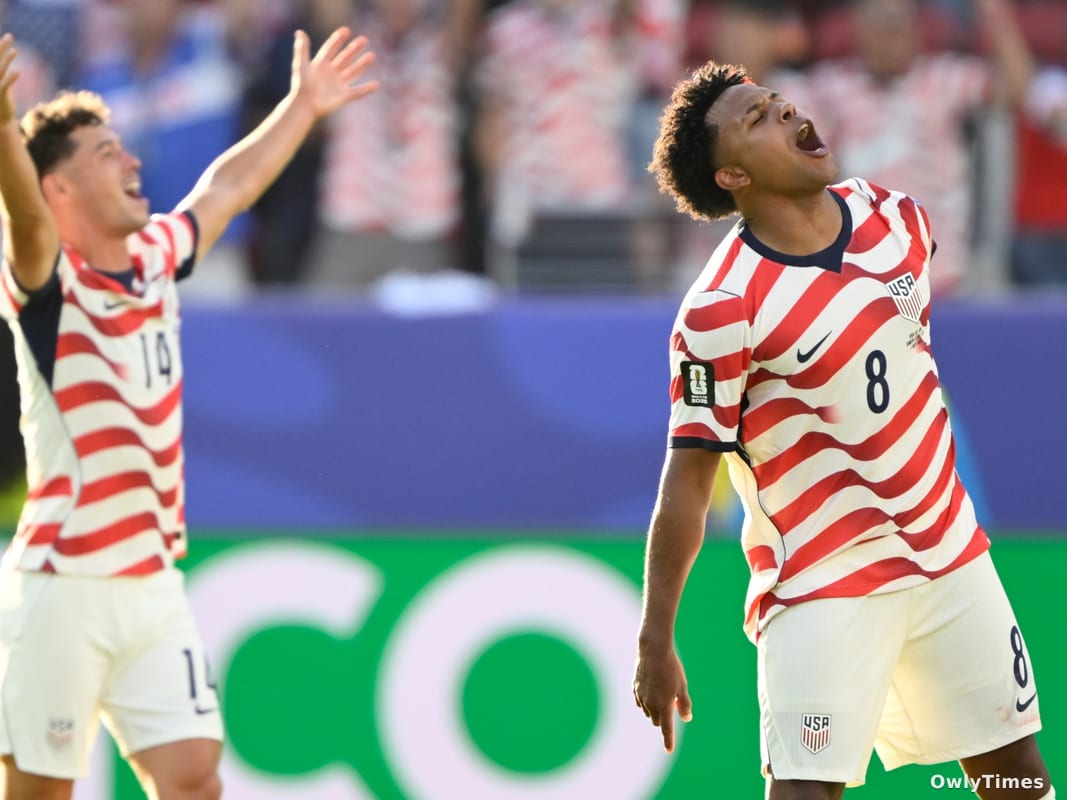
This cultural collision—the raw, sometimes dangerous energy of street-level celebration versus the polished, commercialized VIP experience—is the defining narrative of the 2026 tournament. Even the players are navigating this duality. On the same day the tragedies occurred in Mexico, the U.S. Men’s National Team was busy crafting their own viral moment. According to Billboard, midfielder Weston McKennie shared a video from the team bus following their own 2-0 win over Bosnia and Herzegovina. The squad was seen singing along to Ella Langley’s chart-topping hit “Choosin’ Texas,” an 11-week No. 1 on the Billboard Hot 100, signaling how deeply the tournament is now intertwined with the music industry’s own marketing cycles.
As the tournament moves toward its conclusion on July 19, the industry faces an unavoidable challenge: balancing the massive, profitable enthusiasm of millions with the basic safety of the public. CBS Sports notes that the knockout rounds are currently in full swing, with betting experts like Jon Eimer tracking the shifting odds for upcoming matches like Switzerland vs. Algeria. With the U.S. team now preparing for a high-pressure rematch against Belgium, the focus remains on the field. However, Mexico City Mayor Clara Brugada’s plea for fans to celebrate with "responsibility, care, and empathy" serves as a sobering reminder that for the millions watching, the stakes of this tournament extend far beyond the final score. The industry's true test will be whether it can protect the people who make the sport the global spectacle it is today.