
Escalation Logic: Cyprus as a Pressure Point in the Iran-West Confrontation
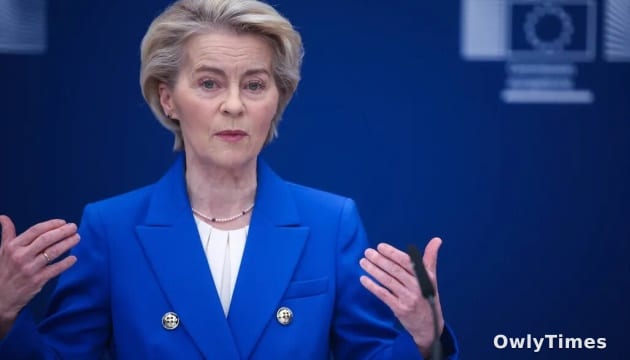
The swiftness of Ursula von der Leyen’s response to the drone strike on the British airbase in Akrotiri, Cyprus – a phone call with President Nikos Christodoulides and a public statement of unwavering support – isn’t about a single incident of “minor damage.” It’s a calculated signal regarding the expanding geographic scope of the conflict between Iran and the West, and a demonstration of the European Union’s commitment to collective security, even when the direct threat doesn’t land on EU soil. The incident itself, following joint US-Israeli strikes on Iranian facilities and retaliatory attacks on US bases across the Gulf, reveals a pattern: Iran is probing for vulnerabilities and testing the limits of response, extending its reach beyond immediate adversaries. This isn’t random escalation; it’s a deliberate attempt to raise the costs of continued pressure.
The key detail often overlooked is the trajectory of the attacks. While Iran’s initial responses targeted US and Israeli assets, the inclusion of Cyprus – and the reported launch of two missiles, one of which failed – introduces a new dimension. Cyprus, a member of the European Union, hosts significant British military infrastructure, notably the Akrotiri base, a crucial staging ground for operations in the Middle East. This isn’t merely about striking a British asset; it’s about directly involving a European nation, forcing the EU to publicly take a side. The “minor damage” reported is strategically irrelevant; the act of targeting a base within an EU member state is the message. This mirrors historical precedents, such as the series of escalating provocations leading up to larger conflicts – think of the shelling of Fort Sumter, or the series of border incidents preceding World War I. Each act, individually small, collectively ratchets up tension and limits room for de-escalation.
Based on the original ukrinform.net report.
The Calculus of Collective Security
Von der Leyen’s statement – “While the Republic of Cyprus was not the target, let me be clear: we stand collectively, firmly and unequivocally with our Member States in the face of any threat” – is a carefully worded affirmation of Article 42.7 of the Treaty on European Union, the mutual defense clause. While not as explicit as NATO’s Article 5, it signals a willingness to invoke collective security measures should the situation worsen. This is a significant departure from the often-fractured foreign policy stances within the EU, particularly regarding the Israeli-Palestinian conflict. The unified response, driven by the direct targeting of a member state, suggests a hardening of resolve. Who benefits from this? Primarily, the UK, receiving a clear signal of EU support. But also, the EU itself, demonstrating a capacity for decisive action and preventing the perception of weakness that could invite further escalation. Who loses? Iran, facing increased international pressure and the risk of a more unified and robust response.
The timing is also critical. Iran’s refusal to negotiate with the US, as reported alongside this incident, underscores its current strategy: to demonstrate strength and deter further intervention through calibrated escalation. This is a high-stakes gamble. While Iran’s regional proxies continue to exert pressure on multiple fronts, direct attacks on sovereign nations – even those hosting foreign military bases – carry a substantial risk of triggering a wider conflict. The fact that Iran attempted two missile launches toward Cyprus suggests a willingness to accept a higher level of risk than previously demonstrated. This is a departure from the previously more deniable attacks carried out by proxy groups.
Cyprus’s Precarious Position
For Nikos Christodoulides and Cyprus, this situation presents a unique and dangerous predicament. Cyprus has historically sought to maintain a neutral stance in regional conflicts, balancing its relationships with both Western powers and Arab nations. However, its EU membership and the presence of the Akrotiri base inevitably draw it into the escalating tensions. The incident forces Cyprus to navigate a delicate path: reaffirming its commitment to the EU while avoiding actions that could further provoke Iran. The “minor damage” to infrastructure is a relief, but the vulnerability has been exposed. Cypriot manufacturers, particularly those reliant on trade routes through the region, are watching closely, as are tourism operators who depend on regional stability. A prolonged conflict could severely impact the Cypriot economy, already fragile from past crises.
The Cypriot government’s response has been measured, emphasizing its commitment to de-escalation and calling for restraint from all parties. However, this position is increasingly untenable as the conflict expands. Cyprus is now a focal point, a potential flashpoint in a wider regional war. The fact that Iran targeted Cyprus despite its neutral stance suggests that it is less concerned with avoiding collateral damage and more focused on sending a message to the West. This is a critical shift in Iran’s calculus.
The Next Move: Monitoring British Response
The immediate political chess move to watch isn’t another statement from Brussels or Tehran. It’s the British response. How will the UK – the direct target of the attack – react? Will it limit its response to diplomatic protests and increased security measures at Akrotiri, or will it escalate further, potentially through joint military action with the US and Israel? A restrained response could be interpreted as weakness, inviting further attacks. A forceful response risks triggering a wider conflict. The UK’s decision will be pivotal in shaping the trajectory of the crisis. Specifically, monitor whether the UK requests the invocation of Article 42.7 of the Treaty on European Union, formally requesting collective defense assistance from its EU partners. That request, or the lack thereof, will reveal the true extent of the EU’s commitment and the likely path forward.





