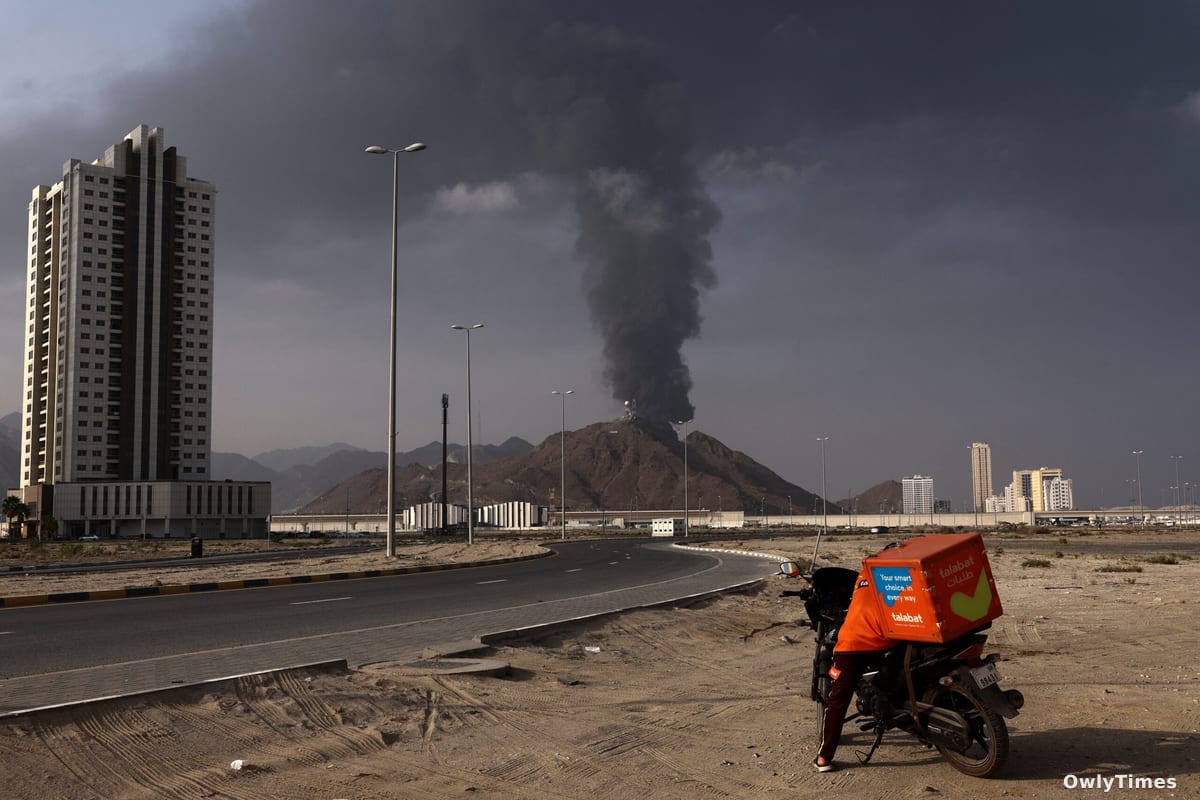

83 percent of all Iranian missile and drone strikes during the current conflict have been directed at Gulf Cooperation Council (GCC) countries, a staggering figure that fundamentally rewrites the risk profile for one of the world’s most critical economic hubs. Since the outbreak of the US-Israeli conflict with Iran on February 28, the long-held narrative of the Gulf as a sanctuary for global capital has been forcibly dismantled. Follow the money: the United Arab Emirates (UAE) has absorbed the highest volume of attacks, a direct assault on its status as a premier global transit, tourism, and financial center.
The Shattered Safe Haven
For years, Saudi Arabia and the UAE have poured billions into diversifying their economies away from oil dependency, banking on a reputation for stability. That investment thesis is now under severe pressure. As one longtime regional investor noted, "The perception of the Gulf Arab states as safe havens in a tough region is shattered and will be challenging to reverse for some time." This isn't merely a geopolitical footnote; it implies a higher risk premium for any entity operating within these borders. The shift is so profound that the UAE is reportedly considering hardening its physical infrastructure, including the potential to move data centers underground to mitigate the threat of future strikes.
The Strait of Hormuz Financial Lifeline
The economic stakes hinge on the volatility of the Strait of Hormuz. Should Iran successfully assert control over this vital chokepoint, the financial consequences for the GCC are immediate and quantifiable. Estimates suggest Iran could levy tolls totaling fifty billion dollars per year, with 80-95 percent of that burden falling directly on Gulf states. This would constitute a massive, involuntary tax on regional oil revenue, essentially funding the very entity currently threatening their security. Consequently, the primary objective for Gulf leaders is to prevent both Iranian control of the waterway and a "mow the grass" strategy of periodic US-Israeli strikes on Iranian targets, which would ensure a state of permanent regional instability.
Diplomatic Divergence and Defensive Spending
Expect the GCC to remain fractured rather than unified in its response. Despite shared threats, deep-seated rivalries—such as the strained relationship between the leaders of Saudi Arabia and the UAE and ongoing policy disputes in Yemen and Sudan—will prevent a cohesive defense bloc. Instead, expect a competitive scramble to replenish defensive weapons systems, which are currently in short supply globally. Saudi Arabia’s multi-billion dollar financial support for Pakistan and interest in Turkey’s six billion dollars in potential defense sales signal a pivot toward diversified security partnerships, even as these nations remain heavily reliant on US technology.
The UAE’s Hardened Stance
The UAE has moved toward the most aggressive posture, evidenced by President Sheikh Mohamed bin Zayed Al Nahyan labeling Iran an "enemy" in March. By closing its embassy and shuttering Iranian cultural institutions, the UAE is betting that a firm stance is necessary to regain investor confidence. While advisors like Anwar Gargash maintain that the UAE does not close the doors to diplomatic communication, the country’s actions suggest a long-term shift toward a more militarized defensive posture.
For the average investor or consumer, the volatility in this region is no longer a localized issue. The next reading of regional defense spending and the outcome of potential framework negotiations regarding the Strait of Hormuz will determine whether the Gulf can reclaim its status as a growth engine or if it remains a high-risk theater where economic prosperity is constantly subordinated to the threat of kinetic warfare.