
The true scale of the ongoing conflict in the Middle East is often obscured by the fog of war and the limitations of reporting from restricted conflict zones. While international headlines frequently focus on the strategic movements of military forces, the human cost of the hostilities initiated on February 28, 2026, reveals a crisis of staggering proportions. At least 2,100 civilians have been killed since the United States and Israel launched a surprise attack against Iran, a figure that serves as a grim baseline rather than a definitive final count.
The Statistical Disconnect
When examining the data, it is crucial to distinguish between verified reports and the complexities of real-time casualty tracking. While global news outlets often cite "thousands" of casualties, specific breakdowns reveal where the most acute suffering is concentrated. The Human Rights Activists News Agency (HRANA) has documented 1,701 civilian deaths in Iran alone, contributing to a broader death toll in that country exceeding 3,400 people. Meanwhile, the Lebanese health ministry has reported 2,496 deaths from Israeli strikes since March 2.
The discrepancy between these numbers often leads to confusion regarding the war’s primary drivers. It is essential to note that while headlines may generalize the "total dead," health authorities emphasize that the demographic impact is skewed toward the most vulnerable. Among the regional totals, at least 503 women have been killed, and 413 children have lost their lives, with 248 of those children located in Iran and 165 in Lebanon. These figures do not include the 23 people killed in Israel by Iran and Hezbollah strikes, nor the at least 10 individuals killed in the United Arab Emirates, highlighting that no nation in the region has remained insulated from the violence.
Limitations in Data Collection
The primary limitation in understanding this conflict lies in the restricted access aid organizations and journalists have to affected areas. For instance, while the Lebanese health ministry has confirmed high death tolls, they have not provided a comprehensive breakdown between Hezbollah fighters and civilians, making it difficult for the public to gauge the strictly civilian impact. Furthermore, the death of 91 health workers, including Hassan Badawi, a Lebanese Red Cross paramedic killed on April 12, underscores how the destruction of medical infrastructure further complicates accurate record-keeping. When hospitals are overwhelmed and emergency teams are targeted, the ability to document the deceased diminishes, often resulting in an undercount of the actual loss of life.
The Cost of Humanitarian Duty
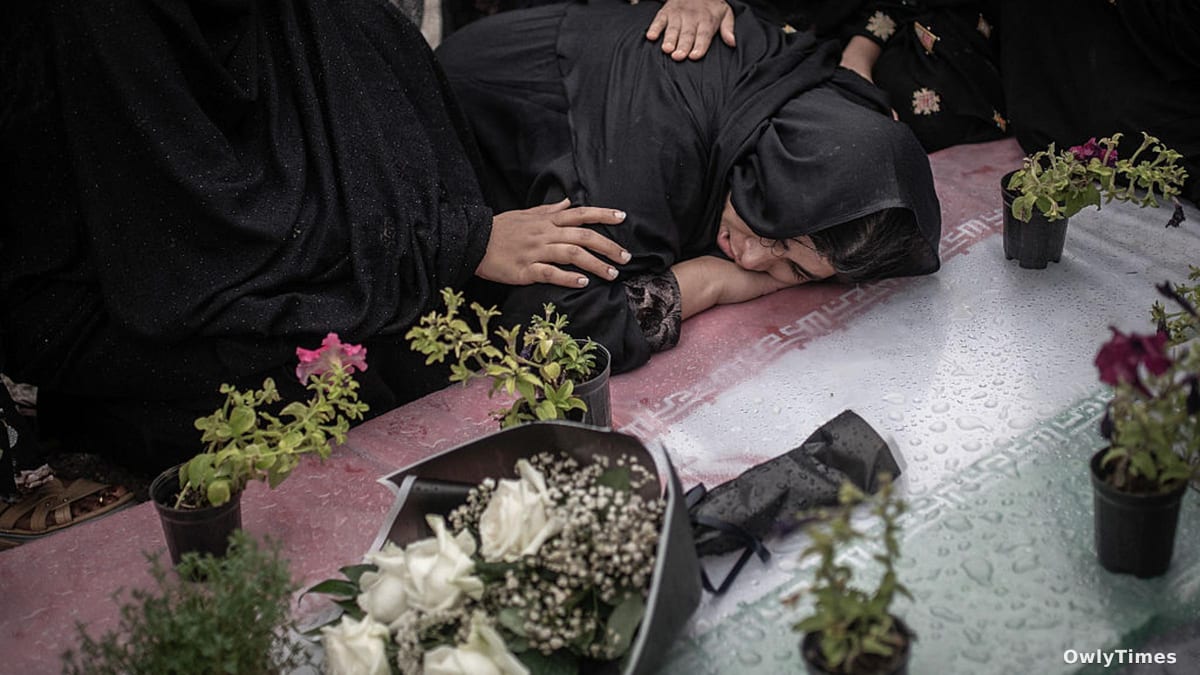
The personal stories behind these statistics—such as the death of 10-year-old Helma Ahmadizadeh in Lamerd, Iran, or the killing of journalist Ghada Dayekh in Tyre—provide a necessary corrective to the abstraction of casualty reports. These accounts also raise significant questions regarding the nature of the weaponry used. While U.S. Central Command has suggested that Iran may be responsible for strikes in Lamerd, reports from the BBC and the New York Times have identified the use of Precision Strike Missiles manufactured by Lockheed Martin. Such contradictions between official military narratives and investigative evidence are a recurring tension in this conflict, complicating the path toward accountability.
As the region moves forward, the primary indicator of the conflict’s trajectory remains the April 8 two-week cease-fire agreement between Iran and the United States. While hostilities have eased, the casualty figures continue to climb as aid groups and authorities reconcile their counts. The next reading of these regional casualty reports will clarify whether the current diplomatic pause is effectively holding or if the underlying structural violence of the conflict will continue to claim civilian lives long after the major barrages have ceased.