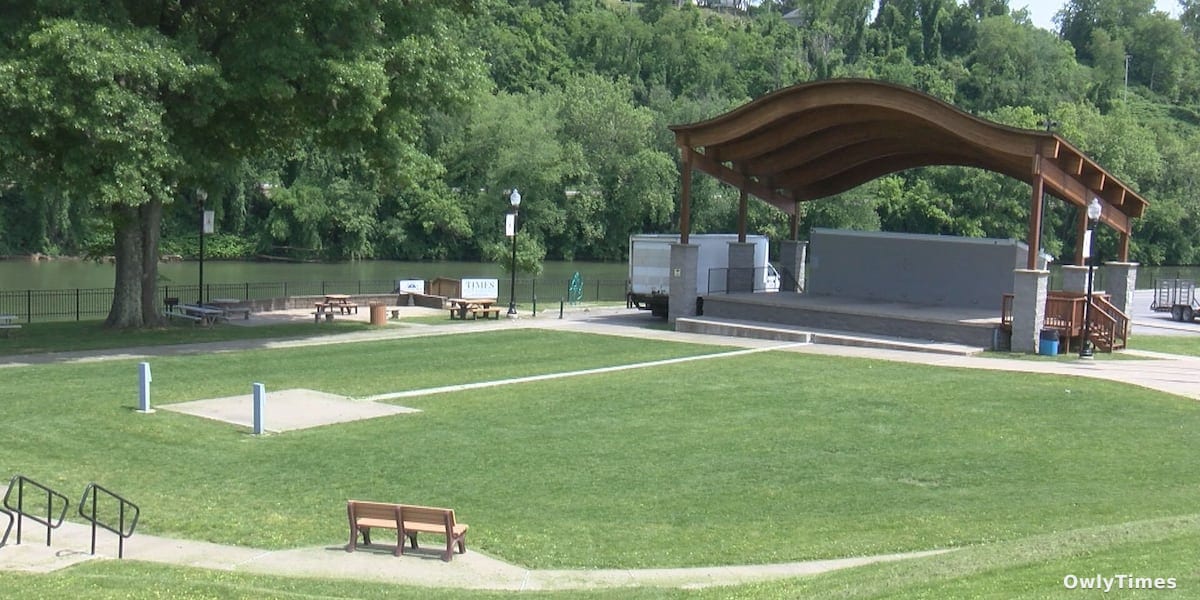

The humid air hung thick and sweet with the scent of the Monongahela River as crews began setting up the stage at Palatine Park last week. It wasn’t the music yet, but the quiet industry of preparation – the testing of lights, the rolling out of soundboards – that signaled the return of something vital to Fairmont, West Virginia. This isn’t just a summer concert series; it’s a carefully constructed attempt to rebuild community spirit through shared experience, a strategy increasingly common in towns grappling with economic shifts and a yearning for connection. The 2026 Palatine Park schedule, unveiled by WDTV, isn’t about chasing the latest pop sensation, it’s a deliberate embrace of nostalgia and local tribute, and it speaks volumes about where America finds itself right now.
The Power of the Tribute: Why We’re Rewinding
The lineup reads like a roadmap of late 20th-century rock. Dan Fontaine & Memphis Sun Mafia channeling Elvis Presley on May 22nd, Crazy Train resurrecting Ozzy Osbourne on June 27th, Nightrain bringing back Guns N’ Roses for the Fourth of July – the park is betting big on the power of the tribute band. And they’re not alone. Across the country, tribute acts are seeing a surge in popularity, with attendance at tribute shows up 18% in 2024 according to Pollstar, compared to a 5% increase for all live music. This isn’t simply about affordability – while these shows are free in Fairmont, even ticketed tribute concerts are generally cheaper than seeing major touring acts. It’s about a desire for familiarity, a longing for a perceived “golden age” of music, and a collective remembering. In a world of constant disruption, the comfort of a perfectly recreated Ozzy Osbourne performance offers a potent emotional anchor.
Based on the original wdtv.com report.
Honoring Local Legends and Building Bridges
Beyond the big names in rock homage, the Palatine Park schedule demonstrates a commitment to honoring local talent and fostering community. The July 11th “Johnnie Johnson Jam” is a particularly poignant example. Aristotle Jones, a local musician who previously curated the “Sounds Good” series, is spearheading a tribute to the late Johnnie Johnson, described as “one of Fairmont’s Finest.” This isn’t just a concert; it’s an act of civic remembrance, a way to keep Johnson’s musical legacy alive and connect generations. The inclusion of bands like the PennSOULvanians and Heavy Hitters alongside Washington D.C.’s Everyday Saturday also suggests a deliberate effort to broaden the musical landscape and draw in audiences from surrounding areas. This regional approach is crucial for smaller cities like Fairmont, where attracting outside audiences can significantly boost local businesses and create a sense of vibrancy.
The Mystery of July 25th: A Hint of Originality
Amidst the sea of tributes, the July 25th event stands out – and deliberately so. Organizers are keeping the lineup shrouded in secrecy, only revealing that both bands are original acts, not tributes. This is a calculated risk. After weeks of leaning into nostalgia, they’re offering a glimpse of the new, a signal that Fairmont isn’t solely living in the past. The decision to withhold details until April builds anticipation and suggests a significant booking, potentially a band on the cusp of breaking through. It’s a smart move, demonstrating an understanding of the delicate balance between honoring the familiar and embracing the unknown. The success of this event will be a key indicator of whether Fairmont’s music scene is ready to move beyond tribute and support emerging artists.
Beyond the Fireworks: A Model for Small-Town Revitalization?
The Palatine Park concert series isn’t just about entertainment; it’s a microcosm of broader trends in small-town America. Faced with economic challenges and a decline in traditional community spaces, towns are increasingly turning to cultural events to attract residents, boost tourism, and foster a sense of belonging. The free admission model is particularly noteworthy. By removing financial barriers, the park is ensuring that the concerts are accessible to everyone, regardless of income. This inclusivity is essential for building a strong community and creating a shared experience. The question now is whether other towns will follow Fairmont’s lead, recognizing the power of music – even music that’s already been played – to revitalize a community and remind people why place still matters. Will we see a nationwide surge in free, locally-focused concert series, or will Fairmont’s success remain a unique case study?