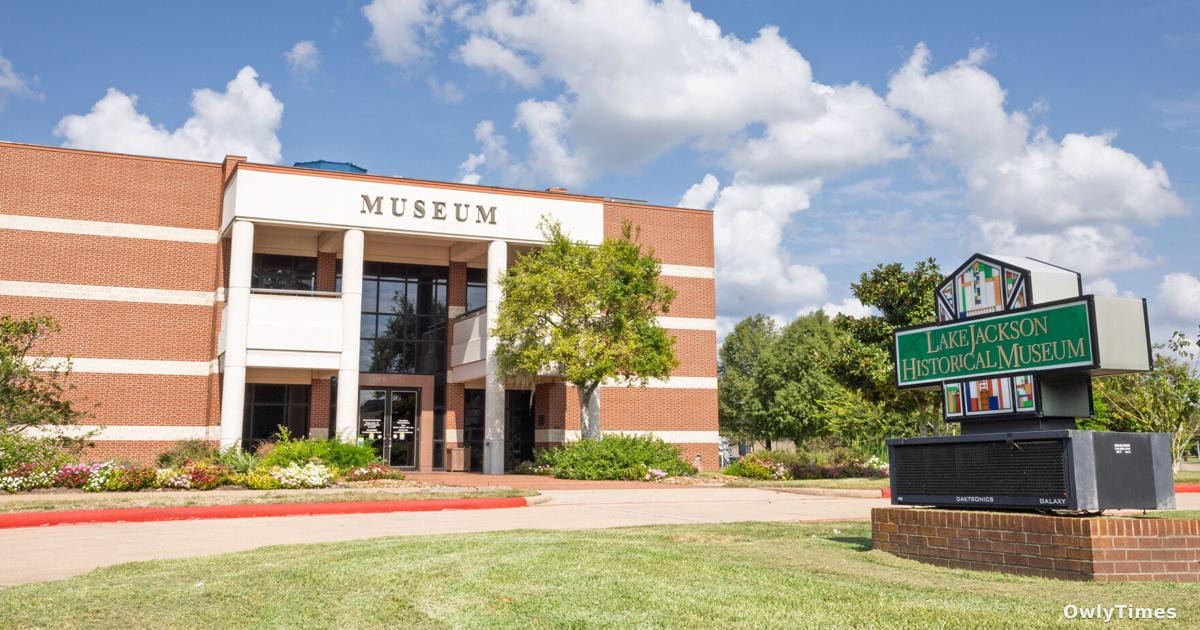

The air hung thick with anticipation, a humid Texas night scented with gardenias and the promise of a bygone era. Not in a grand ballroom of New York or a Hollywood estate, but in Lake Jackson, a city quietly resurrecting the glamour of 1950s Palm Springs. The Lake Jackson Historical Association’s (LJHA) fourth annual Alden Ball wasn’t just a fundraiser; it was a deliberate act of cultural preservation, a shimmering reminder that history isn’t confined to textbooks, but lives in the details – the music, the fashion, the very atmosphere of a recreated world. Beyond the headlines of local events, the Alden Ball speaks to a growing national trend: communities actively seeking to define themselves not by what’s new, but by what they choose to remember.
The LJHA, dedicated to safeguarding Lake Jackson’s past, understands that preservation isn’t simply about archiving documents. It’s about creating experiences. This year’s Palm Springs theme, meticulously executed with a budget of $46,630, isn’t arbitrary. It’s a strategic choice, tapping into a widespread fascination with mid-century modernism and the aspirational lifestyle it represented. “The 1950s and 60s in Palm Springs were a time of incredible design and social change,” explains z2C=2 r9C:DE>2, event chair. “We wanted to bring that energy and sophistication to Lake Jackson.” The event drew 42 attendees, a modest number, but a 36% increase from last year’s attendance, signaling a growing appetite for this kind of immersive historical engagement.
This article draws on reporting from thefacts.com.
But why Palm Springs? The choice reveals a subtle commentary on Lake Jackson’s own history. Founded in 1963 as a planned community for Dow Chemical employees, Lake Jackson was, in its early days, a carefully constructed utopia – a modern, forward-thinking place designed to attract a specific demographic. Palm Springs, with its own carefully curated image of leisure and luxury, serves as a compelling parallel. The Alden Ball, then, isn’t just about celebrating another place and time; it’s about subtly reflecting on Lake Jackson’s own origins and the ideals upon which it was built. xE H:==, a local resident and attendee, noted, “It’s about remembering a time when things felt optimistic, when there was a sense of community and pride in building something new.”
The financial stakes are significant. The Alden Ball is a crucial fundraiser for the LJHA, contributing to the preservation of local landmarks and the funding of educational programs. This year’s event raised $2,000, a figure that, while respectable, highlights the ongoing challenge of securing funding for local historical societies. Nationally, these organizations often operate on shoestring budgets, relying heavily on volunteer efforts and small-scale fundraising events. The LJHA’s reliance on events like the Alden Ball underscores a broader issue: the underfunding of local history initiatives, despite their vital role in fostering community identity and civic engagement. %:4 6>36CD of the LJHA emphasized the need for continued support, stating, “We’re constantly looking for ways to expand our reach and secure the resources we need to continue our work.”
The success of the Alden Ball, and similar events across the country, hinges on a delicate balance. It’s about honoring the past without romanticizing it, about creating an engaging experience without sacrificing historical accuracy. As communities grapple with questions of identity and belonging in an increasingly fragmented world, the ability to connect with a shared past becomes more important than ever. The LJHA’s commitment to bringing history to life, one glamorous evening at a time, offers a powerful model for other communities seeking to preserve their unique stories. Will other Texas towns follow suit, leveraging local history to build community and attract tourism? The answer may well lie in recognizing that the past isn’t just something to be studied – it’s something to be experienced.