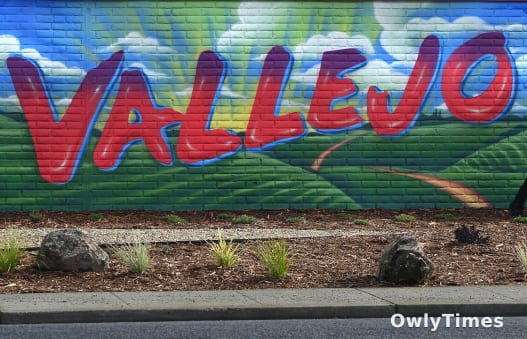

The scent of saltwater and exhaust hung thick in the air last Friday evening as I drove past the Empress Marquee Club on Virginia Street in Vallejo. A hand-painted sign advertised Dallis Craft with the Loralee Christensen Band, and a line was already forming, a mix of denim and sequins hinting at the night’s eclectic energy. It wasn’t just a concert; it was a microcosm of what’s happening across Solano County right now – a frantic, beautiful scramble to fill the void left by years of pandemic isolation, a desperate need for communal experience, and a defiant insistence on having something to do, even if that something is a drag show alongside a poetry reading. This isn’t just a calendar of events; it’s a pressure valve releasing years of pent-up energy, and a revealing snapshot of a community rebuilding its social fabric.
A County Divided by Desire
Looking at the sheer volume of events packed into the last week of March and early April, it’s easy to assume a roaring economic recovery is fueling this burst of activity. But a closer look reveals a more complex picture. While the Waterfront March Madness Car Show and Festival on March 28 promised a boost to downtown Vallejo businesses, it occurred alongside multiple “No Kings 3” rallies – in Vallejo, Benicia, and Vacaville – protesting the proposed Kings stadium development. The rallies, culminating in a food drive and march from the JFK Library, underscore a deep fracture within the county. The promise of economic revitalization through entertainment and tourism clashes directly with concerns about displacement, traffic, and the prioritization of large-scale projects over community needs. The car show, the farmers market, the coffee tasting with Joslay Jose – all vying for attention on the same day, all representing different visions for Solano County’s future.
The contrast extends beyond the political. The same weekend offered a spectrum of entertainment options: a family-friendly “Guys and Dolls” production at Benicia High School, a decidedly adult “Ultimate Fantasea Dinner and Drag Spectacle” back at the Empress Marquee Club, and even a live pro wrestling event, Lucha Libro, at the JFK Library. This isn’t a county settling on a single identity; it’s a county embracing – and sometimes awkwardly juxtaposing – multiple ones. The attendance numbers for these events, while not publicly available in aggregate, are telling. The Empress Marquee Club, a consistent draw, reportedly saw a 20% increase in attendance compared to similar events last year, according to club owner Maria Hernandez, while the Benicia High School production relied heavily on local school support and community fundraising. This suggests a clear divide in who is accessing and benefiting from the burgeoning entertainment scene.
Reporting from timesheraldonline.com informs this analysis.
The Search for "Normal" Isn't What It Seems
The flurry of activity around Easter – Bunny Breakfasts in Vacaville, Bunnies and Bonnets in Andrews Park, even an Underwater Egg Hunt – feels particularly poignant. These events aren’t just about chocolate and pastel colors; they’re about reclaiming rituals, rebuilding traditions, and offering a sense of normalcy after years of disruption. But what is normal now? The Solano County Genealogical Society’s virtual speaker series, continuing even as in-person events return, highlights a lasting shift in how communities connect. The ease and accessibility of online events have opened doors for those who might have been previously excluded, and many are reluctant to abandon that newfound inclusivity. The society reported a 35% increase in virtual event attendance compared to pre-pandemic in-person meetings, a figure that suggests a permanent change in how people pursue their hobbies and interests.
The Vallejo Museum’s Trivia Night 2026 – yes, already promoting an event two years away – is a fascinating example of long-term planning in a climate of uncertainty. It’s a bet on the future, a signal that cultural institutions are committed to rebuilding and reinvesting in their communities. But it also raises a question: are these institutions adapting quickly enough to the changing needs and desires of their audiences? The success of events like Poetry by the Bay, which returns on April 23rd, suggests a hunger for intimate, locally-focused experiences that offer a counterpoint to the larger, more commercial events.
Beyond the Headlines: A County Defining Itself
This isn’t simply a story about a busy events calendar. It’s a story about a county grappling with its identity, navigating economic pressures, and redefining what community means in the wake of a global crisis. The tension between development and preservation, between inclusivity and exclusivity, between tradition and innovation, is palpable in every event listing. The sheer variety of offerings – from drag shows to car shows to genealogy lectures – speaks to a community that is fiercely independent, stubbornly diverse, and determined to forge its own path.
The question now isn’t whether Solano County will recover, but what it will recover as. Will it prioritize large-scale development and tourism, potentially at the expense of its existing communities? Or will it embrace its unique character, invest in local arts and culture, and create a more equitable and sustainable future? The answer, as evidenced by the crowded calendar and the competing visions on display, is still very much up for grabs. And watching how these events – and the debates surrounding them – unfold will be crucial to understanding the future of this dynamic and increasingly important corner of the Bay Area.