
The $3,800 Upsell: How a Seat Swap Revealed a Hidden Premium in Air Travel
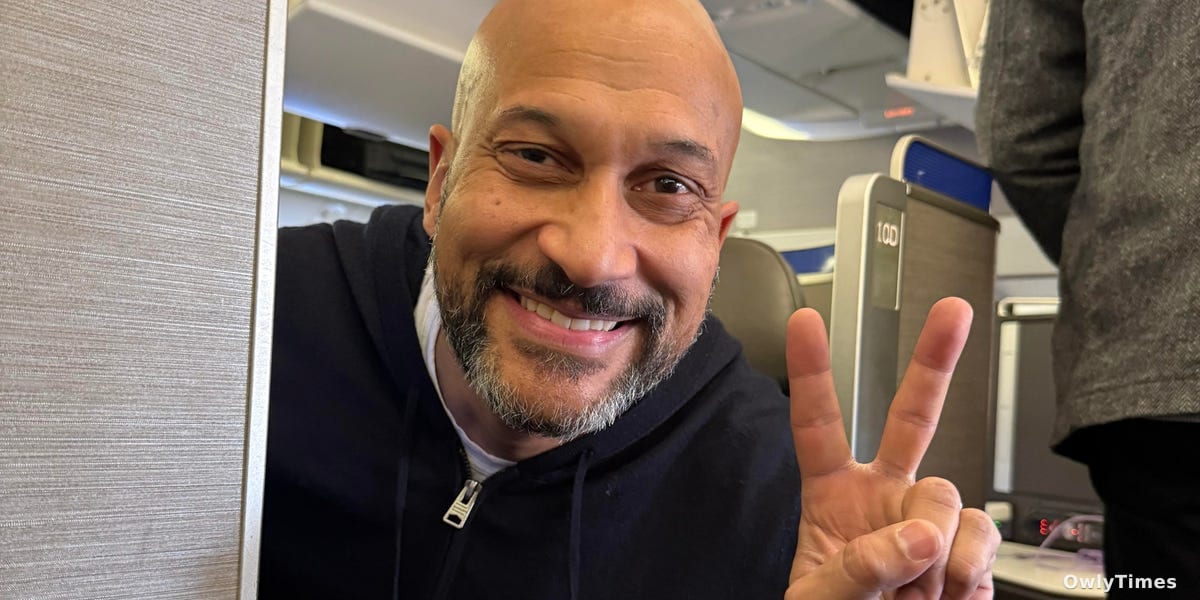
A single seat change on a Newark to San Francisco flight – valued at roughly $3,800 based on average business class fares for that route – unexpectedly illuminated the escalating cost of comfort and convenience in air travel, and the willingness of passengers to pay for proximity to celebrity. Denny Balmaceda, a 38-year-old fashion designer, unknowingly traded a standard business class seat for a front-row view of actor Keegan-Michael Key, all thanks to a polite request from Key’s wife. While seemingly a charming anecdote, Balmaceda’s experience underscores a broader trend: the increasing stratification of the airline experience and the economic incentives driving it.
The core transaction – a seat swap initiated by a desire for spousal proximity – highlights the premium airlines place on flexible seating arrangements. Balmaceda, accustomed to economy class, was enjoying an upgrade courtesy of a clothing brand collaboration. The willingness to relinquish a desirable window seat in business class, where all seats offer a significant comfort advantage over economy, speaks to a diminishing perceived value gap within the premium cabin itself. Airlines are actively exploiting this, offering increasingly granular options – extra legroom, preferred boarding, access to lounges – each carrying an additional cost. In 2023, ancillary revenue (fees for extras) accounted for 14.5% of total airline revenue globally, according to the International Air Transport Association (IATA), a figure that has steadily risen over the past decade. Balmaceda’s casual willingness to trade seats suggests a normalization of this “a la carte” approach to air travel.
Drawn from Business Insider.
Follow the money, and the logic becomes clear. Airlines are maximizing revenue per available seat mile (RASM), a key industry metric. By offering tiered pricing and add-ons, they can extract more value from each flight, even if it means inconveniencing some passengers. The fact that Key’s wife felt compelled to request a seat change, even within the business class cabin, suggests the initial booking didn’t adequately address her preference for sitting with her husband – a preference airlines are now explicitly monetizing. This isn’t simply about luxury; it’s about optimizing yield. A 2024 report by Oliver Wyman estimates that personalized pricing, driven by data analytics and passenger profiles, could increase airline revenue by as much as 10% in the next five years.
The incident also reveals the subtle economic ecosystem surrounding celebrity. While Balmaceda’s primary motivation was politeness, the subsequent interaction – a photo opportunity and friendly conversation – demonstrates the value of proximity to fame. This isn’t a new phenomenon, but the willingness of individuals to pay a premium for experiences, even indirectly, is growing. Consider the surge in VIP packages at concerts and sporting events, or the demand for “meet and greets.” Balmaceda’s story, while unintentional, highlights how even a simple flight can become a potential access point to celebrity culture, and how airlines are positioned to capitalize on that desire. Keegan-Michael Key’s graciousness throughout the flight, engaging with fans and assisting his wife, further reinforces his personal brand value – a value that indirectly benefits the airline through positive publicity.
What this means for your wallet: Expect airlines to continue refining their pricing strategies, offering increasingly personalized options and charging for every conceivable comfort. The days of a standardized airline experience are over. Before booking your next flight, carefully consider what amenities are truly essential and whether the added cost is justified. More importantly, watch for airlines to increasingly leverage data to predict your willingness to pay for upgrades and ancillary services – and be prepared to negotiate, or risk paying a premium for a seat you might have secured for less with a little planning. The question isn’t if airlines will charge you more, but how much they’ll determine you’re willing to pay.





