
The wellness world is undergoing a quiet shift. For decades, protein reigned supreme, dominating supplement aisles and fitness conversations. But a growing body of evidence, coupled with a stark realization of widespread dietary deficiencies, is positioning fiber as the next frontier in preventative health. It’s not a glamorous topic – gut health rarely is – but the implications are profound, extending far beyond simple regularity. The current surge in fiber supplement options isn’t just a marketing trend; it reflects a growing understanding of the intricate link between our gut microbiome, overall health, and even chronic disease prevention. However, navigating this burgeoning market requires a discerning eye, as not all fiber is created equal, and the claims made by manufacturers don’t always align with the science.
For years, doctors and dietitians have emphasized the importance of fiber, recognizing its role in digestion, cardiovascular health, and disease prevention. It regulates blood sugar, promotes feelings of fullness, and can even reduce LDL cholesterol. Yet, despite this long-standing advice, over 90 percent of Americans aren’t meeting the recommended daily intake of 25 to 38 grams. While a whole-food diet rich in fruits, vegetables, grains, and legumes remains the gold standard, supplements offer a practical solution for bridging this nutritional gap. Recent testing and analysis of available options, alongside insights from Jordan Glenn, head of science at the independent supplement verifier SuppCo, reveal a landscape of varying quality and efficacy. It’s crucial to understand that the “best” fiber supplement isn’t a one-size-fits-all answer, but rather depends on individual needs and tolerance.
Based on the original gq.com report.
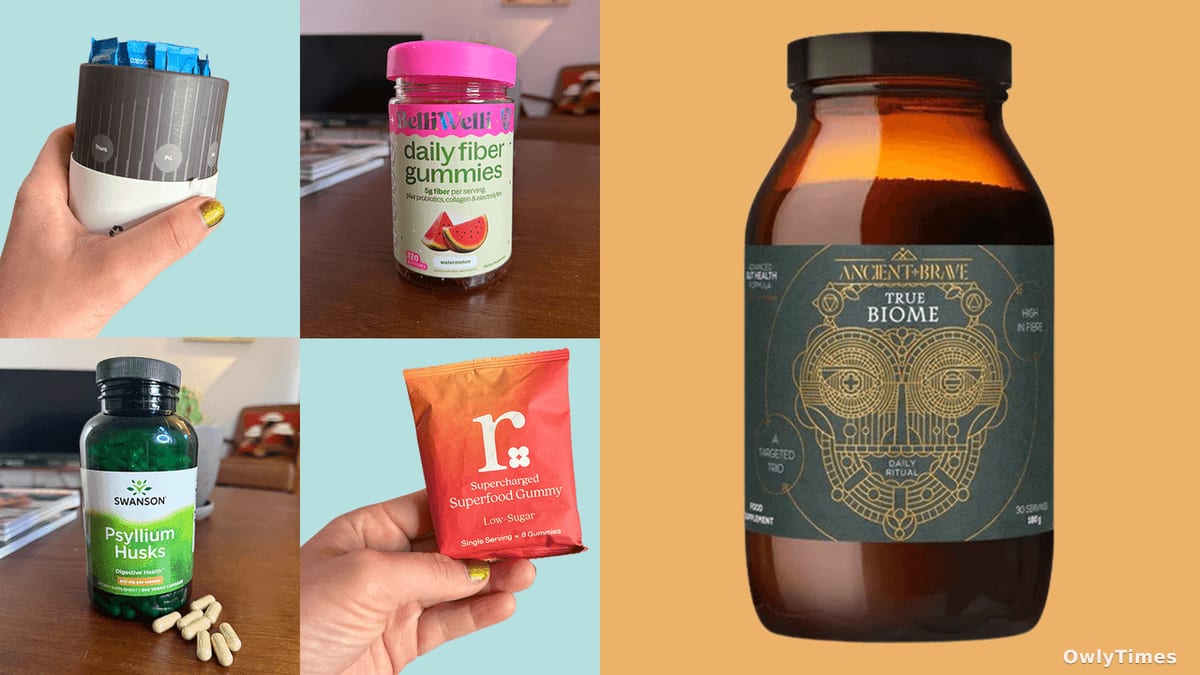
The current market is flooded with choices, ranging from powders and gummies to capsules and even innovative approaches like sugar-to-fiber conversion. Ancient and Brave’s True Biome emerged as a top contender in recent evaluations, largely due to its simplicity and reliance on partially hydrolyzed guar gum (PHGG). Glenn identifies PHGG as a particularly well-tolerated and studied form of soluble fiber, known for its positive impact on digestion and gut health. Each serving delivers 4 grams of fiber, alongside L-glutamine and a probiotic strain, potentially mitigating leaky gut and inflammation. This isn’t simply about adding bulk; it’s about fostering a healthier gut environment. However, it’s important to note that 4 grams, while beneficial, represents a relatively modest contribution to the daily recommended intake, suggesting supplementation should complement, not replace, a fiber-rich diet.
For those who struggle with traditional powders, gummies offer a palatable alternative. BelliWelli Daily Fiber Gummies garnered praise for their taste and ease of consumption, boasting a delightful watermelon flavor. These gummies contain 2 grams of fiber per serving, alongside electrolytes and collagen peptides. However, they rely on tapioca fiber, derived from cassava root, which, while widely used, lacks the robust research backing of sources like psyllium husk or PHGG. While tapioca fiber can contribute to daily intake, its effects on specific health markers like cholesterol reduction are less predictable. This highlights a key tension in the supplement industry: palatability versus proven efficacy. Consumers are often drawn to products that taste good, but prioritizing flavor over scientifically validated ingredients can compromise potential benefits.
The “gold standard” for fiber supplementation, according to Glenn, remains psyllium husk. Swanson Health’s Psyllium Husk Dietary Fiber Supplement provides a pure and affordable source of this well-studied fiber, known for improving regularity, cholesterol, and blood sugar control. However, the dosage per capsule is relatively low, requiring consumers to take multiple capsules to reach a therapeutic dose. This may be a deterrent for some, but it also allows for a gradual introduction of fiber into the diet, minimizing potential side effects like bloating. The choice between capsules, powders, and gummies ultimately comes down to personal preference and adherence. The most effective supplement is the one you’ll consistently take.
Beyond these core options, newer innovations are emerging. Zbiotics Sugar-to-Fiber takes a novel approach, converting sugar into prebiotic fiber using an enzyme called levansucrase. While the concept is intriguing, the amount of fiber generated is relatively small, and its impact on overall health remains to be fully elucidated. Similarly, products combining fiber with superfoods, like Rizz Low Sugar Green Gummies, offer a convenient way to boost nutrient intake, but often rely on less-established fiber sources like tapioca fiber. The key takeaway isn’t necessarily to avoid these options, but to be aware of their limitations and prioritize products with transparent ingredient lists and scientifically supported fiber types.
It’s also important to consider the broader context of supplement regulation. While companies like SuppCo provide independent verification, the supplement industry as a whole is less stringently regulated than pharmaceuticals. Glenn emphasizes the importance of looking beyond marketing claims and focusing on the type and dose of fiber provided. Vague promises of “gut health” or “microbiome support” are insufficient; consumers deserve clear information about the ingredients they’re consuming. This lack of transparency underscores the need for continued research and independent testing to ensure product quality and efficacy.
Looking ahead, research should focus on personalized fiber recommendations. The optimal type and dosage of fiber likely vary depending on individual gut microbiome composition, dietary habits, and health goals. Investigating the synergistic effects of combining different fiber types could also unlock new therapeutic possibilities. Furthermore, long-term studies are needed to assess the sustained impact of fiber supplementation on chronic disease risk. Will consistent fiber intake demonstrably reduce the incidence of cardiovascular disease, type 2 diabetes, or certain types of cancer? That’s the critical question researchers are now striving to answer. For consumers, the immediate takeaway is to pay attention to how different fiber sources affect your body. Are you experiencing improved digestion, increased energy levels, or better blood sugar control? Tracking these individual responses will be crucial in navigating the evolving landscape of fiber supplementation and maximizing its potential benefits.